Finding an ancestor’s date of death is a core goal for many genealogy researchers, but it can be challenging—especially the further back in time you look. Records are incomplete, boundaries change, and not every death produced a formal record. Below are practical places and strategies to begin your search and increase your chances of locating an accurate death date.
Why do genealogy researchers have trouble finding an ancestor’s death date?
There are several common reasons a death date is hard to find:
- There may be no formal death record. Civil death certificates are a relatively modern invention, and many ancestors who died before state registration began will not have one.
- Boundary and jurisdiction issues. County or state lines changed over time. An ancestor living near a border may have died and been recorded in a neighboring county or state, so you must search all plausible jurisdictions.
- Insufficient clues to begin. If an ancestor moved frequently or left few records, you may not know where to start searching. Locating associated records that establish a last residence is often the key first step.
Where do researchers start the search for an ancestor’s death date?
Vital Records – Death Certificates
When available, a death certificate is often the most useful primary source. Keep in mind many areas did not require or maintain death certificates until the late 19th or early 20th century. When you do find a death certificate, evaluate the informant listed: personal details (birth date, parents’ names, birthplace) come from whoever provided the information, and may be mistaken. Medical details—cause of death and attending physician information—typically come from a doctor, so treat those details differently than family-supplied facts.
SSDI – Social Security Death Index
The Social Security Death Index can be a quick way to confirm a death date and last known residence for 20th-century individuals. Note that the SSDI updates stopped being regularly published for privacy reasons; coverage is limited but useful for many mid- to late-20th-century deaths. The index typically provides birth and death dates and the last place of residence.
Mortality Schedules
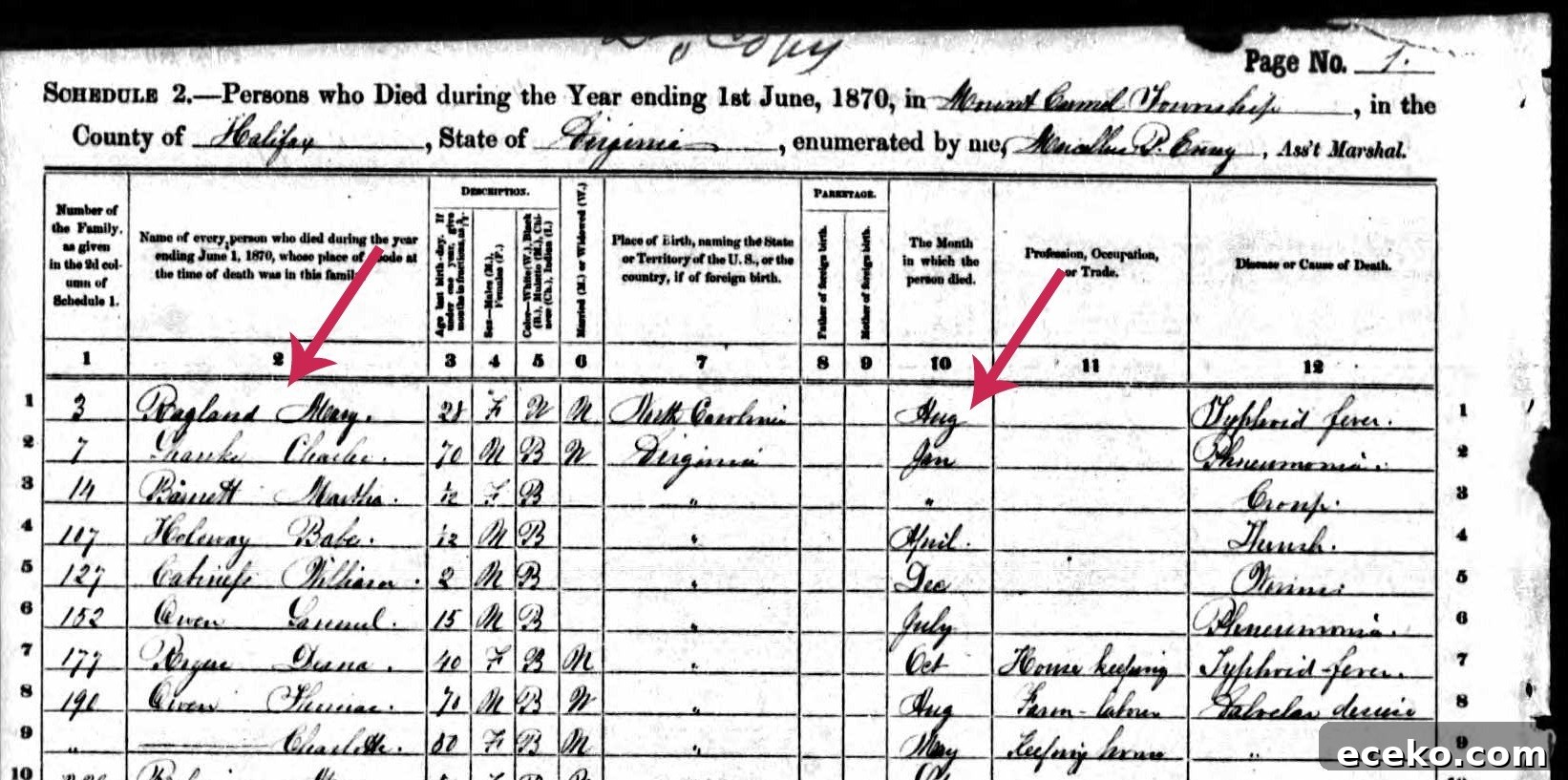
The 1850–1880 census mortality schedules list people who died in the prior 12 months and can reveal both death dates and causes. Some states also created mortality schedules in other years (for example, certain western states compiled schedules for 1885). These schedules are often overlooked but can directly name your ancestor’s month and year of death when available.
Cemeteries and Tombstones
On-site cemetery research and gravestone transcription are essential tools. Tombstones are secondary sources and can contain errors in dates or name spellings, but they often provide a reliable starting point—especially when original records are missing. Keep in mind markers may have been erected long after the death, and inscriptions reflect the knowledge of the person who ordered the stone.
Newspapers and Obituaries

Obituaries can provide exact dates, biographical details, family relationships, and sometimes burial information. For more recent generations, check family Bibles, scrapbooks, and keepsake collections where relatives may have saved clippings. Don’t forget religious newspapers and denominational periodicals, which often published death notices and obituaries for members of their communities. Newspapers may also offer details about unusual circumstances surrounding a death or expanded coverage if the person was prominent locally.
Newspaper research can be time-consuming, but a single obituary or notice can sometimes break a long-standing research brick wall.
Pension and Military Records
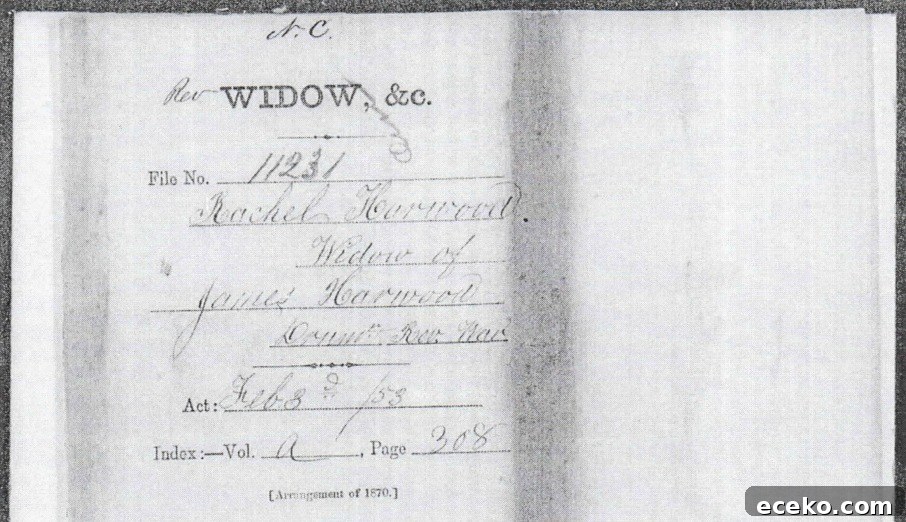
Military pension files and related service records often document a soldier’s death date because pension payments stop or a widow’s application must prove a serviceman’s death. These files can contain affidavits, correspondence, and other paperwork that pin down a death date or provide a narrow window of time.
Church registers—baptisms, marriages, burial records, and membership lists—can be an invaluable resource, especially where civil records were not kept or have been lost. Before searching, determine what types of records the ancestor’s congregation generally kept and where those records are now held. Also check published church histories and directories for references to deaths, burials, and memorials.

Don’t overlook church histories and directories; they often record members’ deaths or provide context that leads to other records.
One last thing to consider
Sometimes you won’t find an explicit death date. In those cases, look for indirect evidence: probate or estate records that show someone died before a certain date, land or tax records that list an individual’s last activity, or the date an obituary was published. Even a “died before” or “died by” statement can narrow the timeframe and is meaningful progress in your research.
Related posts you may find helpful when researching death information:
- What is that Family Cemetery Really Telling You?
- Your Ancestors + Medical Genealogy
- How To Research Your Ancestor’s Estate Record
- 5 Types of Genealogical Info Found on a Death Certificate
::::::::::::::::::::::::::
Pin For Future Reference!