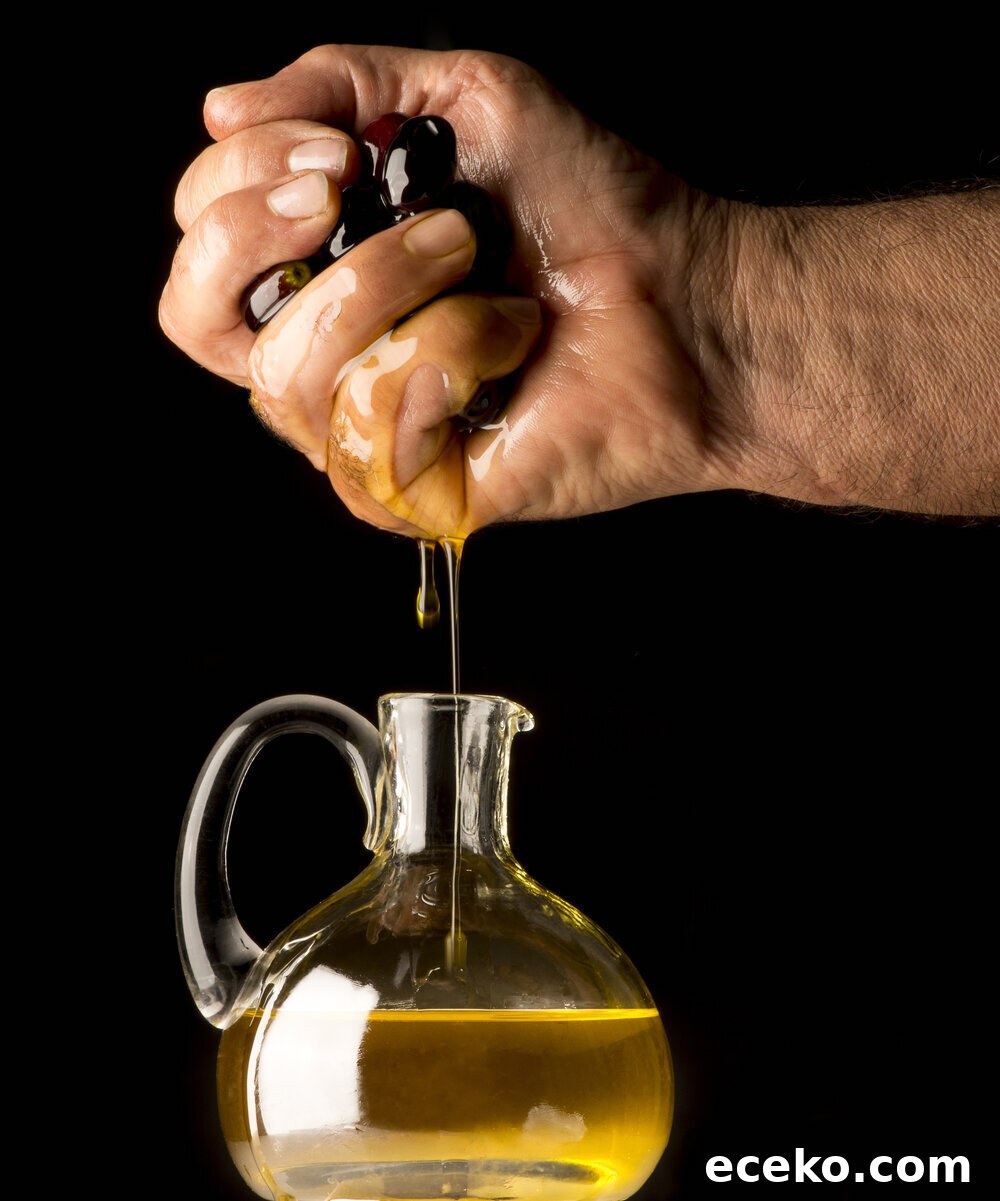
The following excerpt, taken from my cookbook, explains which cooking oils are best and which to avoid. It’s meant to demystify oil choices so you can shop with confidence. This piece covers:
- plant sources
- extraction and processing methods
- hydrogenation
- smoke points
All oils are not created equal!
Sources
Genetically Modified Oils
Avoid oils made from genetically modified crops such as canola, corn, soy, and cottonseed. These crops are commonly engineered and frequently sprayed with the herbicide glyphosate. Because of this, oils from these sources are less desirable for regular use.
Canola oil is especially widespread and controversial. It originates from a hybrid of the rapeseed plant; the crop was modified after World War II to reduce erucic acid so the oil could be used for food. Some animal studies have raised concerns about chronic canola oil consumption, and other research indicates it can deplete vitamin E. Canola’s low cost has made it a common ingredient in processed foods, institutional kitchens, and even some products sold at health food stores, which makes careful label reading important.
Olive Oil
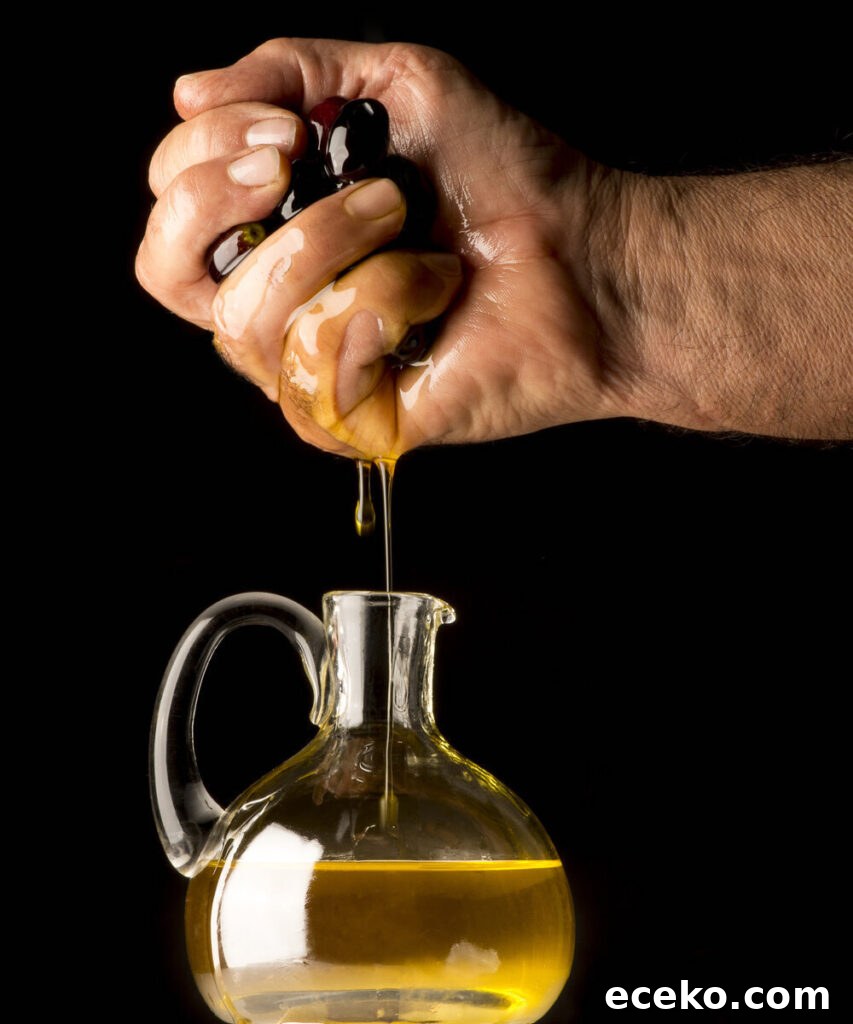
Olive oil is my recommended everyday kitchen oil. It has a long culinary history and a strong research base supporting its benefits. Olives and olive oil contain antioxidants, vitamin E, vitamin K, and beneficial fatty acids, and the oil is primarily monounsaturated. However, olive oil fraud exists: some bottles labeled as olive oil are diluted with cheaper oils. To reduce risk, choose olive oil with reputable seals such as COOC (California Olive Oil Council), NAOOA (North American Olive Oil Association), EVA (Extra Virgin Alliance), or Italy’s UNAPROL 100% Qualita Italiana. Oils that have won recognized competitions are also more likely to be authentic.
Avocado, Sesame, and Coconut Oils
Refined avocado oil has a very high smoke point, making it a solid option for high-temperature cooking; seek products refined without chemical solvents. Sesame oil brings a distinct, nutty flavor suited to Asian dishes and finishing sauces. Coconut oil is popular in some circles, but it is roughly 90% saturated fat and lacks omega-3s, vitamins, and minerals. Because of its high saturated fat content, I use coconut oil sparingly and consider its use more of a preference than a necessity.
Extraction and Processing Methods
Pressing
Mechanical pressing is the oldest method for extracting oil from fruits, nuts, and seeds. Cold-pressed oils are produced without added heat or chemicals and are generally the preferred choice. Expeller-pressed oils are also mechanically extracted but generate heat through friction, which can reduce some nutrient content.
Centrifuge
Many modern olive oil producers use centrifuges to separate oil from olive paste. Although centrifugation can be done without added heat, some labels in the U.S. still use the term “cold-pressed” even when centrifuges were used; other countries, like Italy, enforce stricter labeling. “Extra virgin” denotes superior aroma and flavor; “virgin” indicates a slightly lower quality. If a bottle does not specify “extra virgin” or “virgin,” it often means the oil has undergone chemical refining.
Chemical Solvents
Solvent extraction is common for many vegetable oils. In the U.S., most canola, corn, cottonseed, safflower, soy, and sunflower oils are produced using hexane, a solvent derived from petroleum refining and considered neurotoxic by some health agencies. Solvent-extracted oils are frequently further processed with bleaching agents and deodorizers. Certified organic oils, by contrast, cannot be extracted with chemical solvents.
Hydrogenated and Partially Hydrogenated Oils
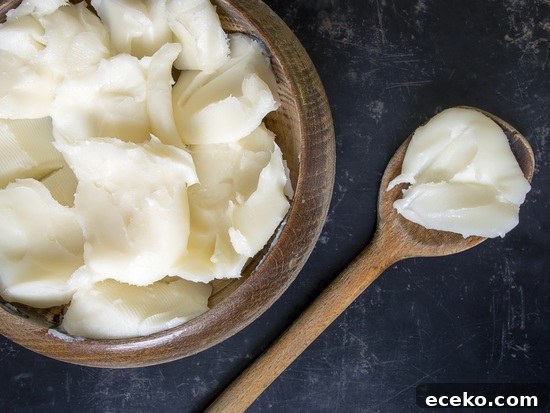
Hydrogenation converts liquid unsaturated fats into more solid forms by adding hydrogen. Fully hydrogenated oils become saturated fats, while partially hydrogenated oils produce trans fats. Both kinds of processed fats are linked to higher cardiovascular risk. Partially hydrogenated trans fats are particularly harmful because they raise LDL (bad cholesterol) and lower HDL (good cholesterol). These fats are common in many processed foods. Note that labels can still claim “trans-fat free” if the product contains less than 0.5 grams per serving, so checking ingredient lists for “partially hydrogenated” is essential. The only plant oils that are naturally solid or semi-solid at room temperature are coconut oil and palm oil; other solid plant-based spreads are typically hydrogenated or partially hydrogenated.
Smoke Points
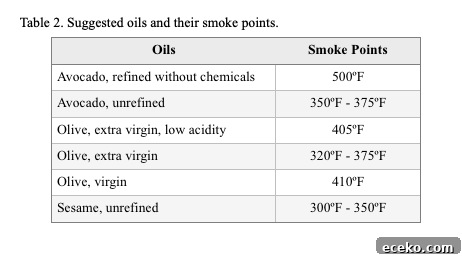
Each oil has a smoke point—the temperature at which it begins to break down and emit smoke. Avoid heating oils to their smoke point. If oil starts to smoke, discard it and start again; overheating oil produces harmful fumes and free radicals and destroys vitamins and antioxidants. For context, sautéing over medium-high heat typically raises oil temperature to around 250ºF.
If you enjoyed this post, you may also like How is Balsamic Vinegar Made?
Bibliography
- Lauretti, Elisabetta, Domenico Praticò. “Effect of Canola Oil Consumption on Memory, Synapse and Neuropathology in the Triple Transgenic Mouse Model of Alzheimer’s Disease.” Scientific Reports, December 2017.
- Agency for Toxic Substances and Disease Registry, US Department of Health and Human Services. “Public Health Statement for n‑Hexane,” July 1999.
- Center for Food Safety and Applied Nutrition, US Food and Drug Administration. “Final Determination Regarding Partially Hydrogenated Oils,” 2015.
- Neghab, Masoud, Mahdieh Delikhoon, Abbas Norouzian Baghani, Jafar Hasanzadeh. “Exposure to Cooking Fumes and Acute Reversible Decrement in Lung Functional Capacity.” The International Journal of Occupational and Environmental Medicine, October 2017.
- Svedahl, Sindre, Kristin Svendsen, Torgunn Qvenild, Ann Sjaastad, Bjørn Hilt. “Short Term Exposure to Cooking Fumes and Pulmonary Function.” Journal of Occupational Medicine and Toxicology, May 2009.