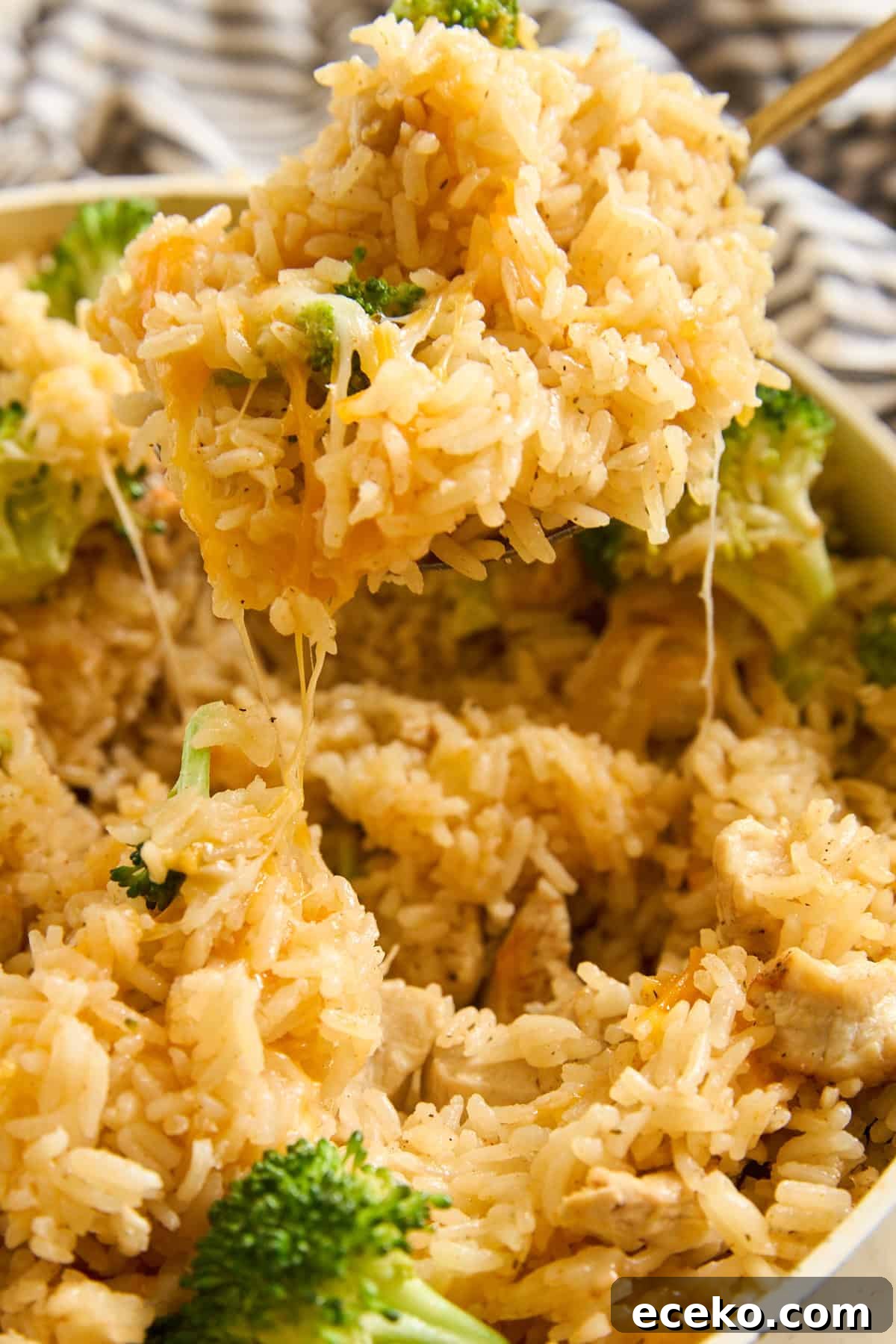
If you’ve ever lifted the lid on a pot of rice and found a sticky, clumpy mass instead of separate, fluffy grains, this guide is for you. Knowing How to Fix Gummy Rice can rescue dinner—and your patience. Gummy rice happens quickly, but in many cases it’s fixable with a few simple techniques.
What is Gummy Rice?
Gummy rice occurs when rice releases too much surface starch during cooking. Instead of distinct, tender grains, the rice clumps together and develops a gluey, pasty, or mushy texture. Some dishes—risotto and rice pudding, for example—depend on this starchiness, but most everyday rice dishes benefit from separate grains.
This problem can affect white, brown, jasmine, or basmati rice. Usually the issue is technique rather than the rice variety itself, which means small adjustments to rinsing, water ratios, and handling will make a big difference.
Why Rice Turns Gummy
Understanding why rice goes gummy helps you avoid and fix the problem.
Too much stirring agitates grains and releases surface starch into the water. Excess water causes grains to over-absorb moisture, swell, burst, and release starch. Skipping the rinse leaves loose surface starch that encourages clumping. Overcooking pushes rice beyond tender to swollen and sticky. Finally, choosing the wrong rice matters: short-grain rice is higher in starch and naturally stickier than long-grain varieties like basmati or jasmine.
How to Fix Gummy Rice After It’s Cooked
If your rice is already gummy, don’t throw it away. Several straightforward methods can improve texture and make it usable.
If the rice is waterlogged, drain it in a fine-mesh strainer and let excess moisture escape. Spreading the rice on a baking sheet helps steam dissipate quickly so the grains can firm up. Putting the baking sheet in an oven at 350°F for a few minutes can further dry the surface and restore some separation.
For rice that’s only slightly sticky, return it to a dry pot over low heat and leave it uncovered for a few minutes. Stir gently once or twice with a wooden spoon to release steam without breaking the grains. This evaporates extra moisture and improves texture without drying the rice out completely.
If the rice is very gummy, a quick rinse under warm water will wash away excess surface starch. This method works best when the rice will be repurposed for fried rice, soups, casseroles, or fillings rather than served plain.
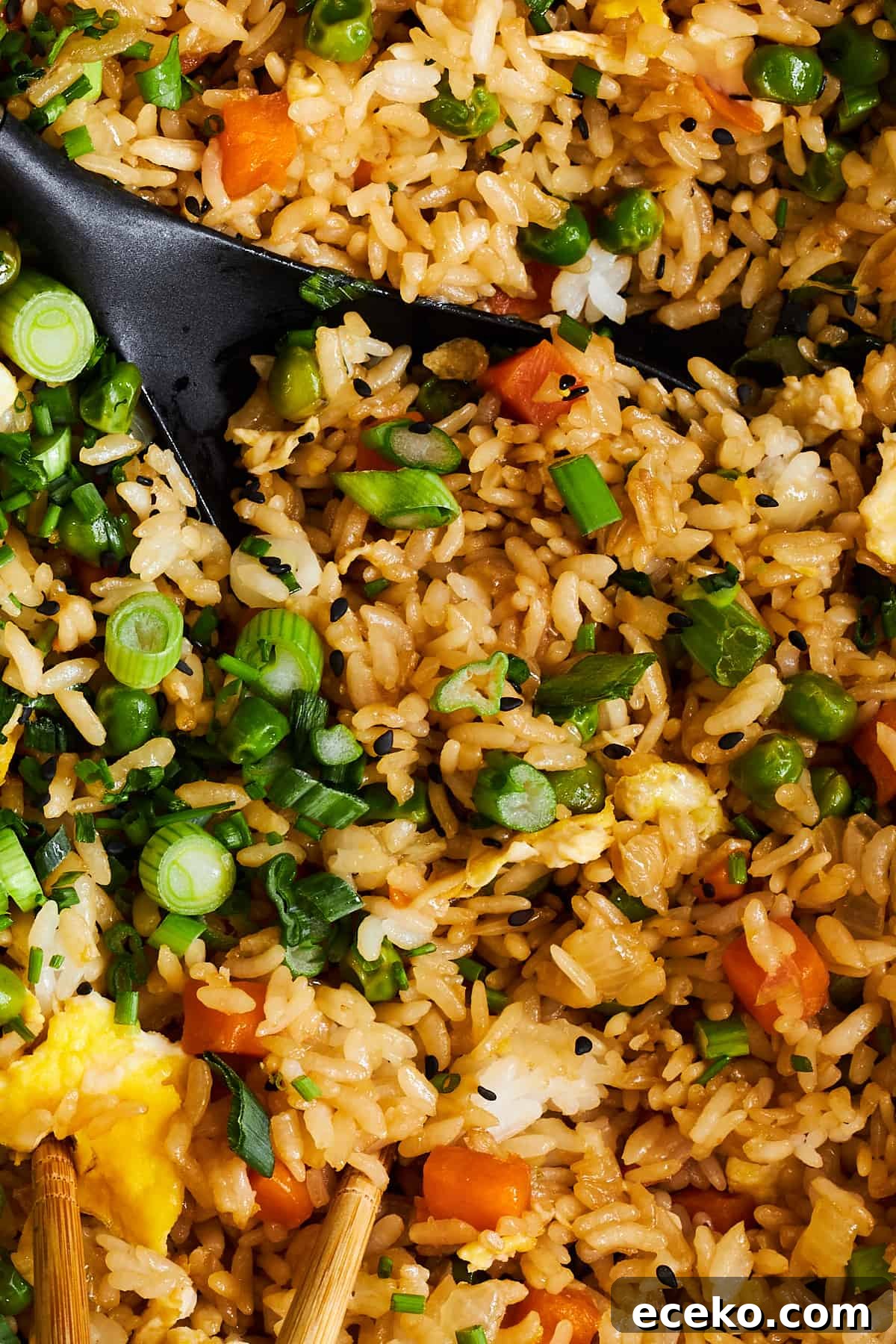
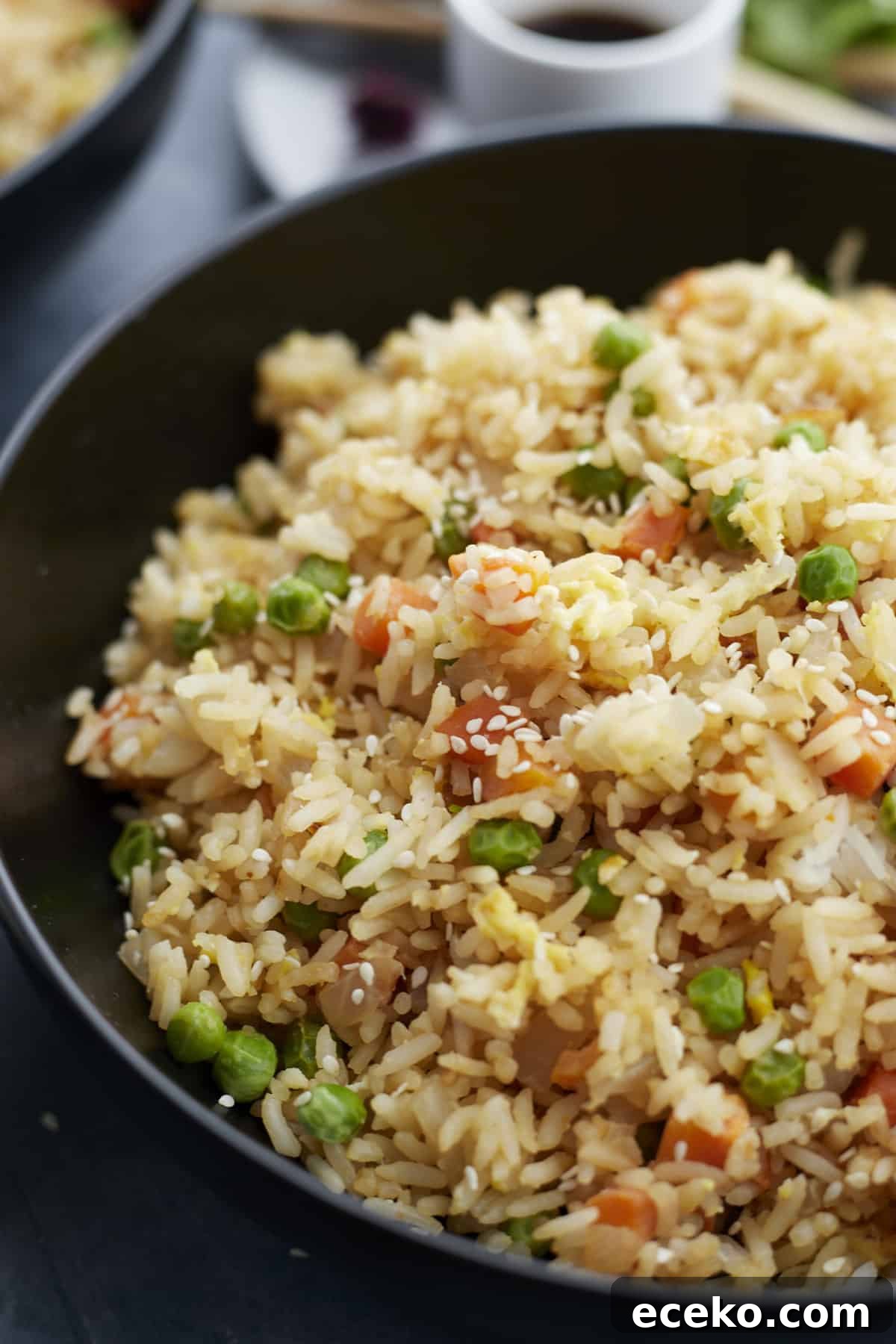
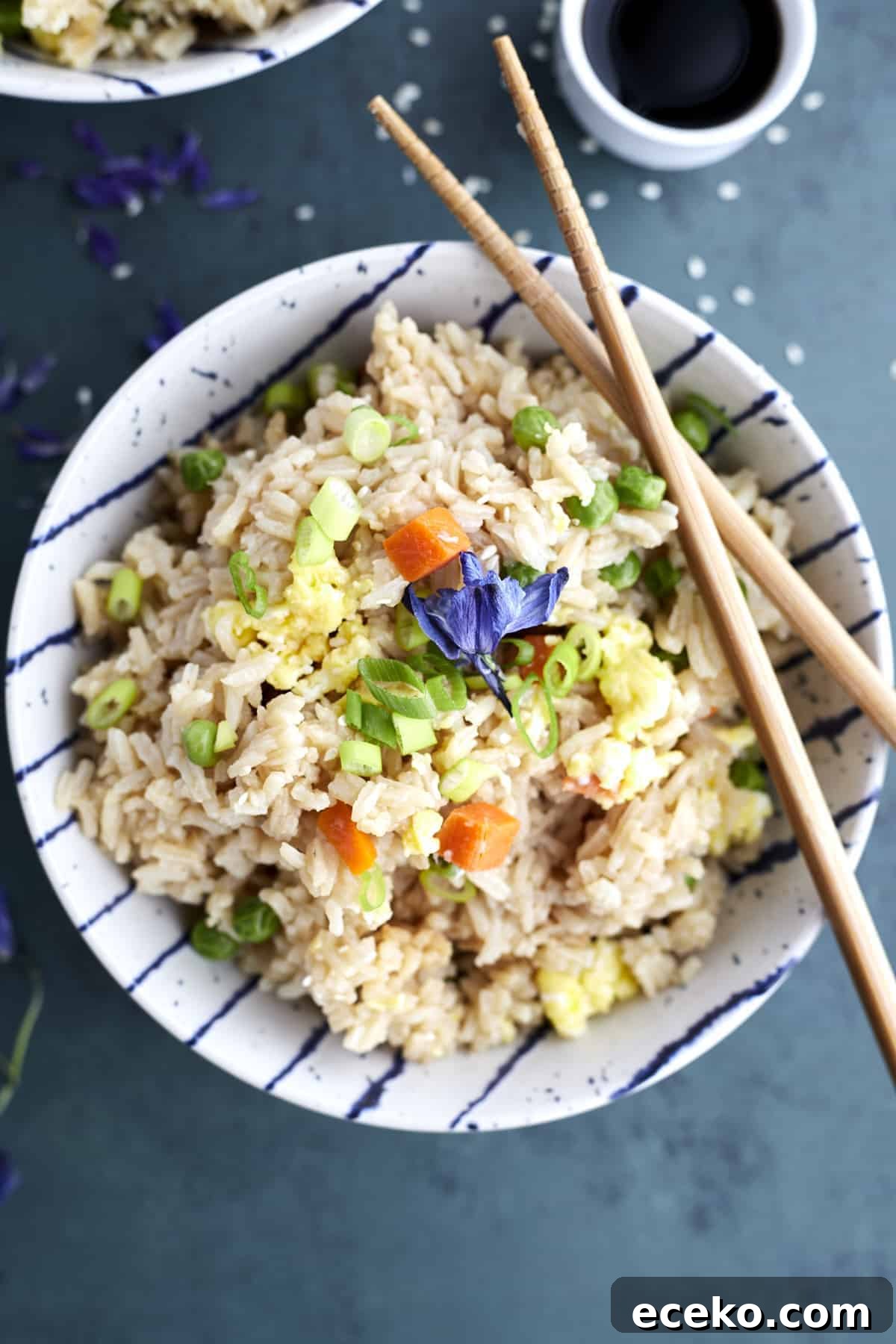
When rescue isn’t enough, repurpose the rice. Gummy rice is ideal for fried rice, rice fritters, stuffed vegetables, rice-based patties, or hearty soups where texture blends into the dish. Often a pivot to a different recipe is the fastest way to turn a mistake into a success.
Ingredients You Need to Fix Gummy Rice
You don’t need many ingredients to rescue gummy rice—just a few pantry basics to improve texture and flavor.
- Water – A gentle rinse can remove excess surface starch when needed.
- Olive oil or butter – A small amount helps coat grains and reduce sticking; use sparingly to avoid greasiness.
- Salt – A pinch freshens the taste after rinsing or reheating.
How to Prevent Mushy Rice in the Future
Prevention is simple once you know the key steps.
Rinse rice under cold water until it runs clear to remove loose starch and improve grain separation. Measure water accurately—too much water is a common cause of gummy rice. Avoid stirring while rice cooks; agitation breaks grains and releases starch. Choose the right rice for the dish: long-grain varieties stay fluffier, short-grain is best for sticky preparations. After cooking, let rice rest for several minutes to allow moisture to redistribute, then fluff with a fork to separate grains without smashing them.
Can You Fix Gummy Rice in a Rice Cooker?
Yes—if you catch it early. Unplug the rice cooker and let the rice steam uncovered for a few minutes to allow excess moisture to escape. If the rice is already sticky, spread it out to cool and dry or repurpose it for another dish rather than trying to overcook it again.
Final Thoughts
Gummy rice is annoying but rarely hopeless. Drain, dry, rinse, or repurpose it and you’ll usually salvage the meal. Better yet, a few simple habits—rinsing, accurate water ratios, and minimal stirring—will help you consistently cook fluffy, separate grains.
Rice Recipes You’ll Love
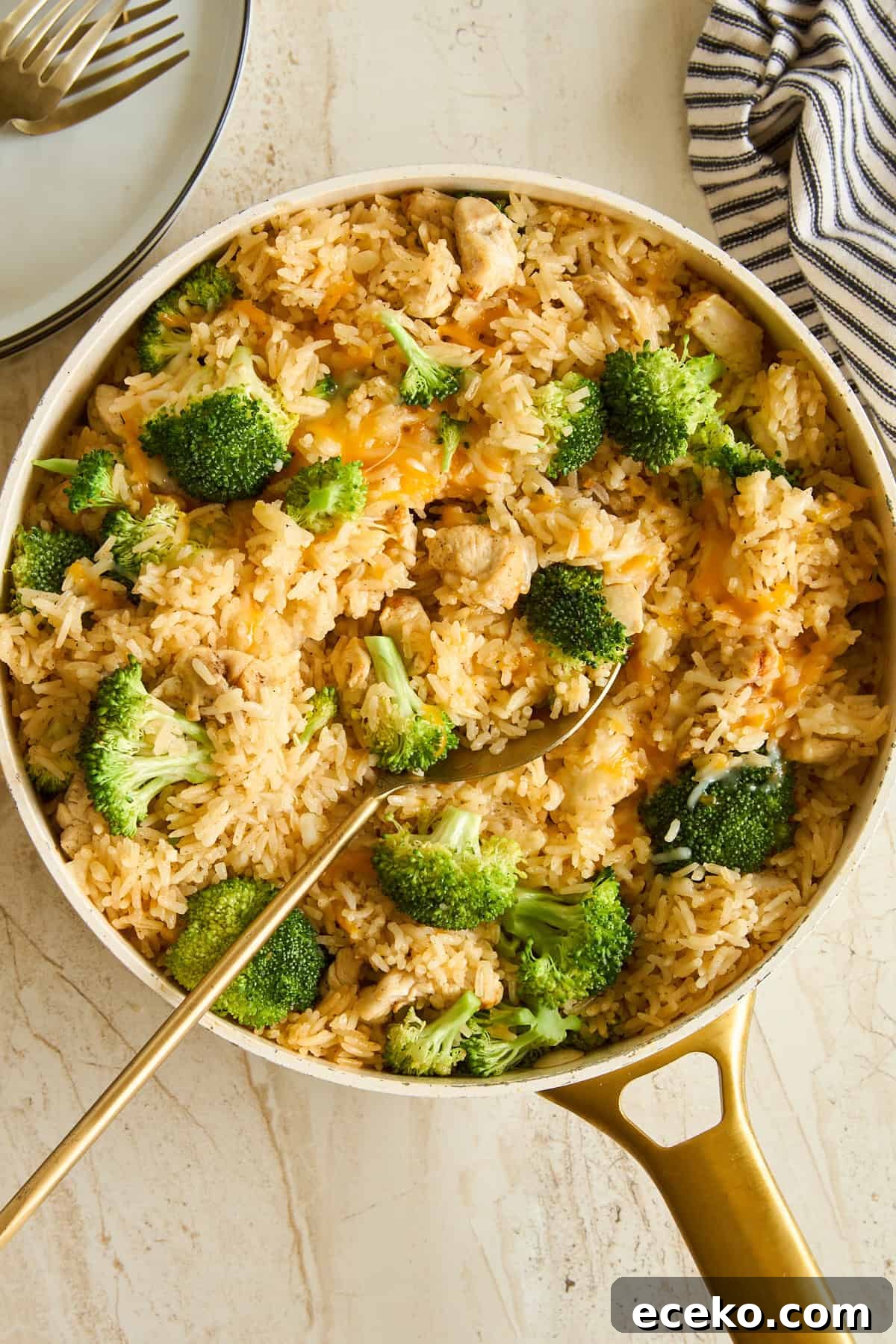
With these tips you can avoid gummy rice and confidently use leftovers. Try recipes that showcase well-cooked rice or make the most of rescued rice in stir-fries, bakes, and soups.