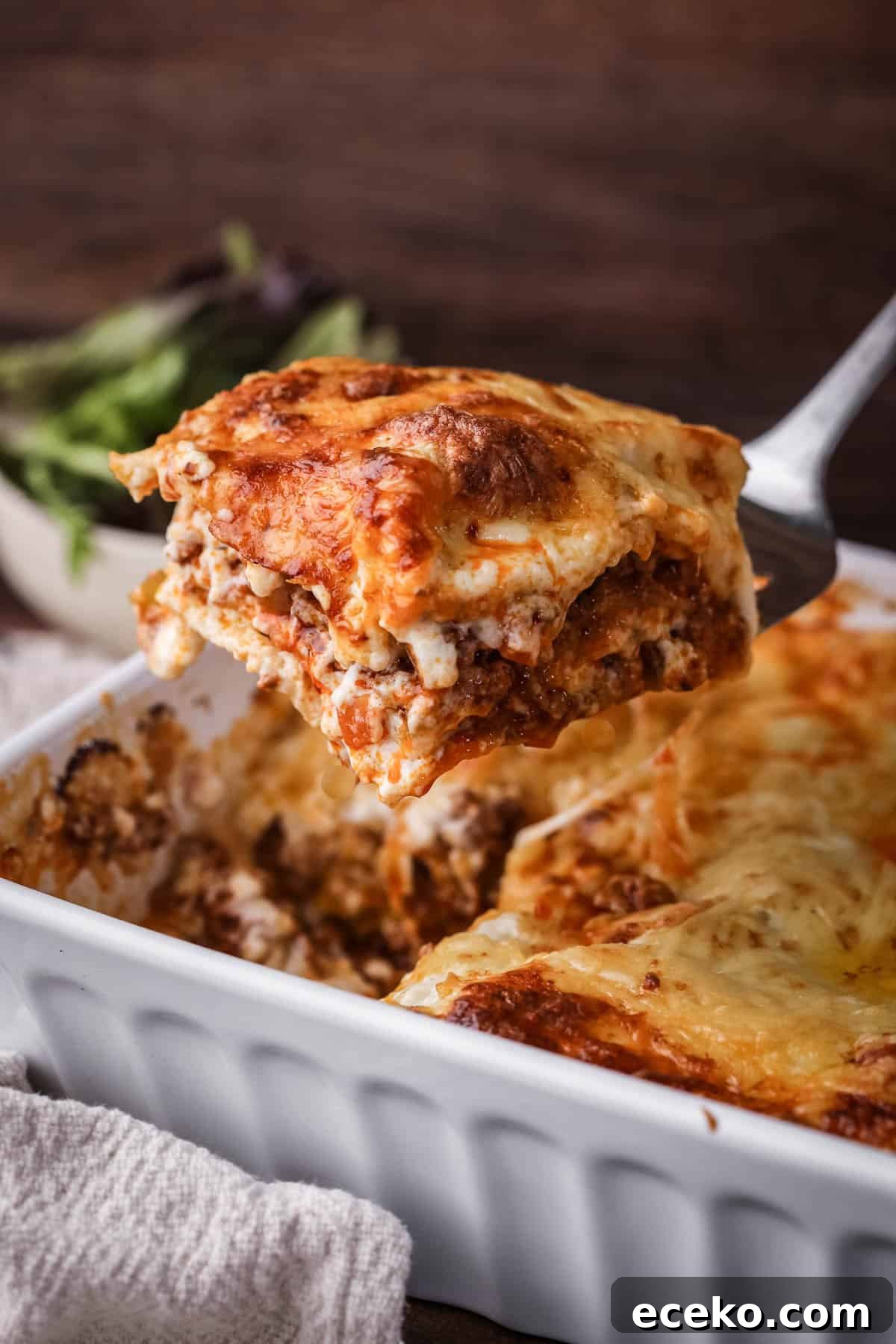
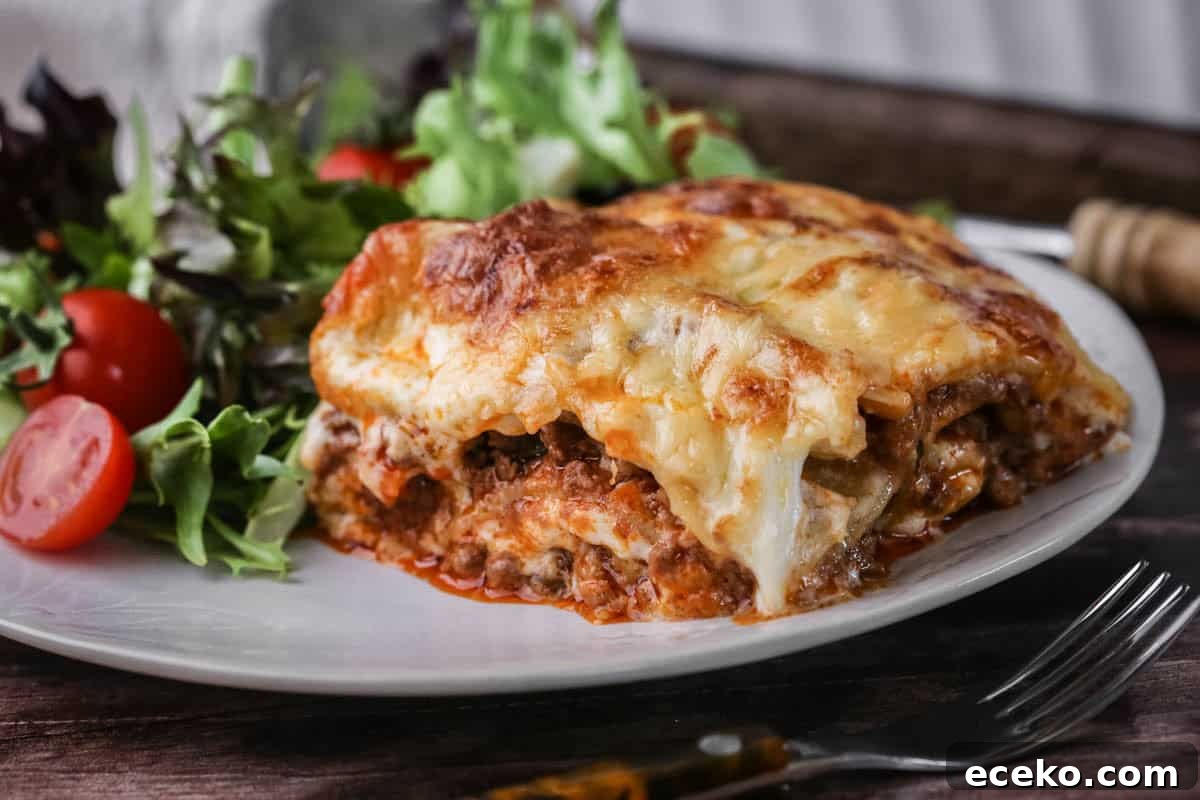
Gluten-free lasagne is the ultimate comfort dinner: layers of rich beef and pork ragù, gluten-free pasta sheets and a creamy béchamel, finished with grated gruyère and torn mozzarella and baked until bubbling and golden. Below you’ll find clear, practical steps and useful tips to make a reliably saucy, tender gluten-free lasagne every time.
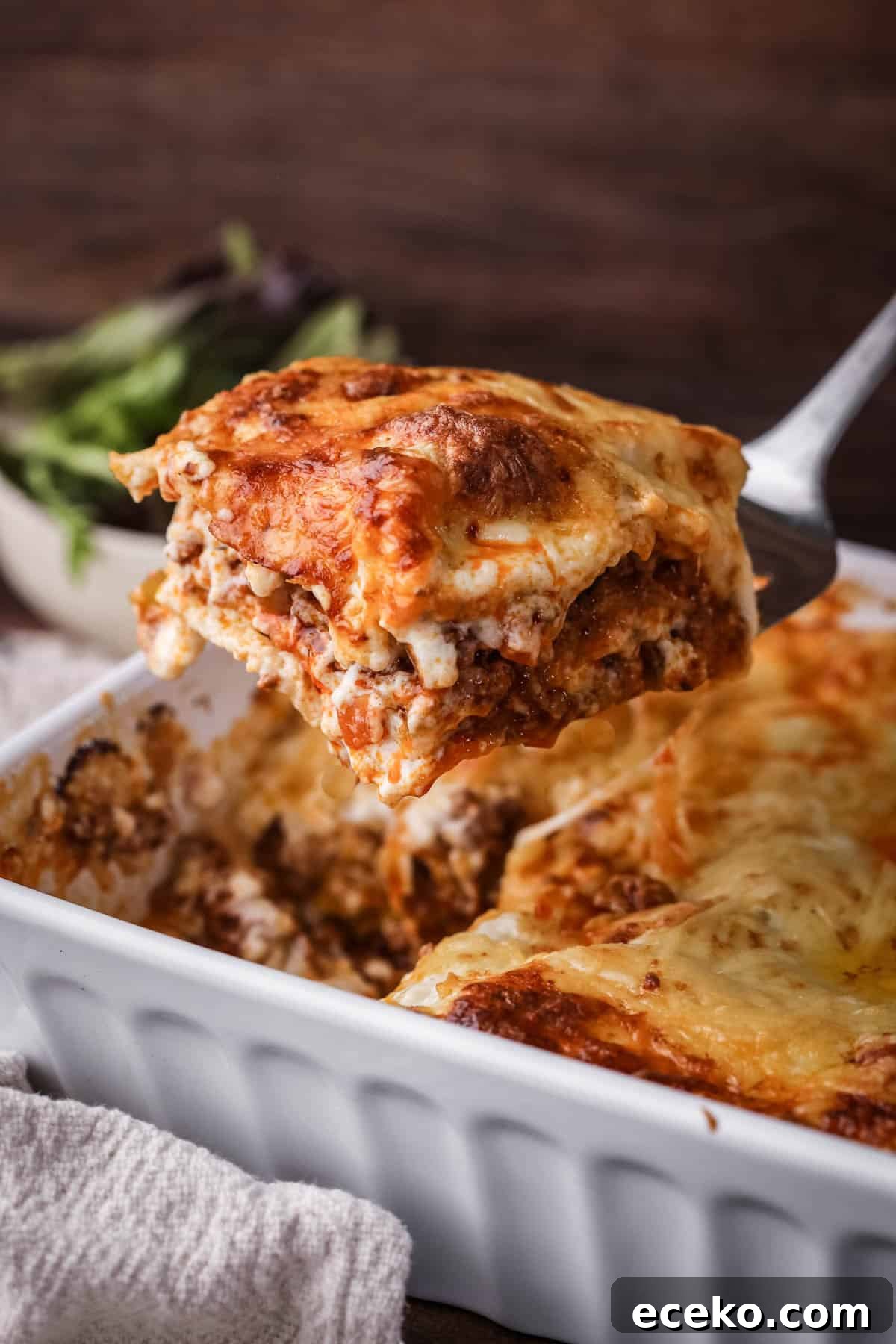
If you’ve had disappointing gluten-free lasagne before, don’t worry — this version delivers soft, tender pasta layers (indistinguishable from regular lasagne), a smooth, flavourful gluten-free béchamel, and the familiar, cosy dinner you remember from childhood.
Recipe updated March 2026: based on feedback from my mum I made the ragù saucier and replaced chicken livers with a bit of pork mince alongside beef for a deeper meat flavour. I now only pre-cook the top layer of lasagne sheets and use a deeper dish so the layers are chunkier and the finished lasagne stays moist.
This recipe is an evolution of my original lasagne and my mum’s best tips. The result is a deep, four-layer British homestyle lasagne: very saucy, very cheesy and ideal paired with garlic bread to mop up the extra sauce.
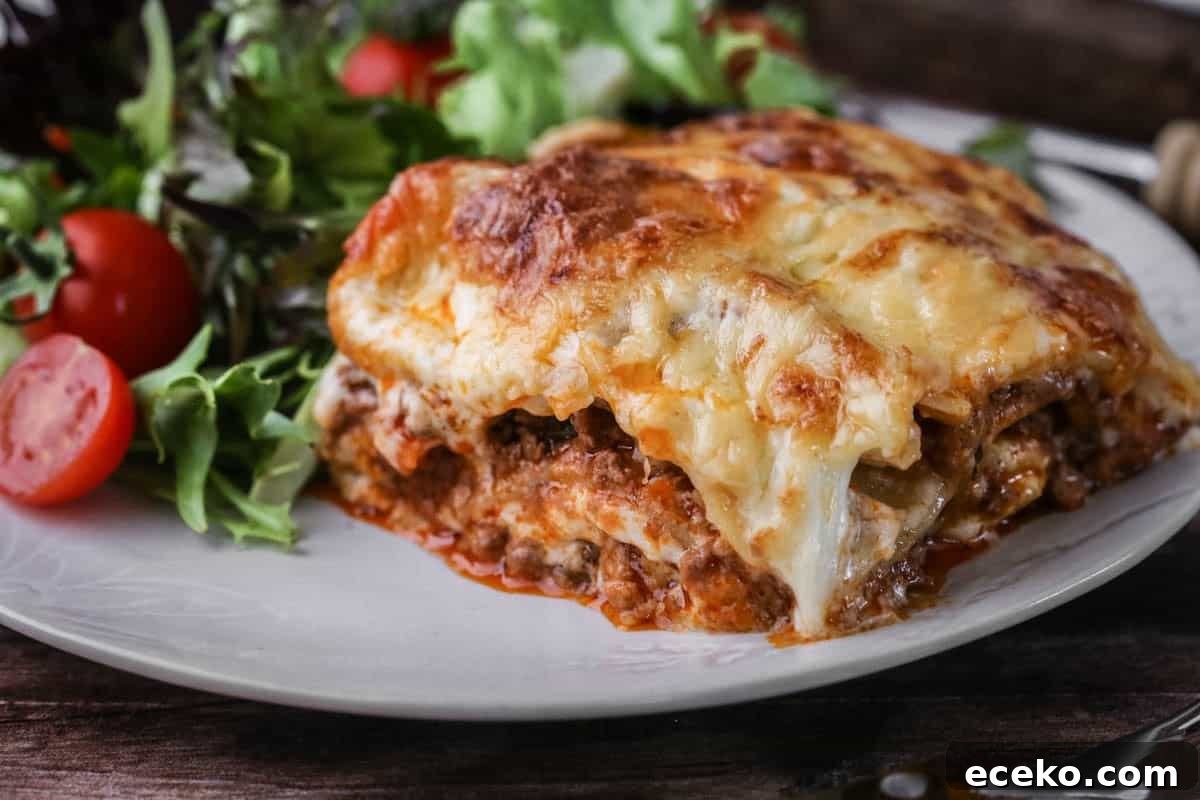
Lasagne or lasagna?
Quick spelling note: the Italian singular is lasagna (a single sheet) and lasagne is the plural, which is why Lasagne alla Bolognese is the full name. In the UK we usually write lasagne; in the US it’s often lasagna.
Why you’ll love this gluten-free lasagne
- Rich tomatoey beef and pork ragù with real depth of flavour.
- Smooth, creamy gluten-free béchamel that coats the pasta and adds richness.
- A gooey topping of torn mozzarella and nutty gruyère for great cheese pull.
- Deep, four-pasta-layer assembly for hearty portions and texture.
- Blanching the top pasta sheets prevents a dry or crispy top layer.
- Great for cosy family dinners and straightforward to prepare ahead.
Pre-boiling lasagne sheets
You don’t have to pre-cook all the lasagne sheets, but I recommend blanching the top 3–4 sheets that form the final layer. That short one-minute blanch helps prevent the top pasta from drying or crisping if your béchamel isn’t thick enough. It only takes a few minutes and makes the result foolproof.
How to blanch lasagne sheets
Use a saucepan wide enough for a lasagne sheet and fill it about one third with water. Bring to a rolling boil and lay a sheet of baking parchment on the work surface.
Place one sheet in the boiling water with tongs, boil for 1 minute, then lift it out and lay it on the parchment to cool. Blanch sheets one at a time to avoid them sticking together.
Ingredients needed
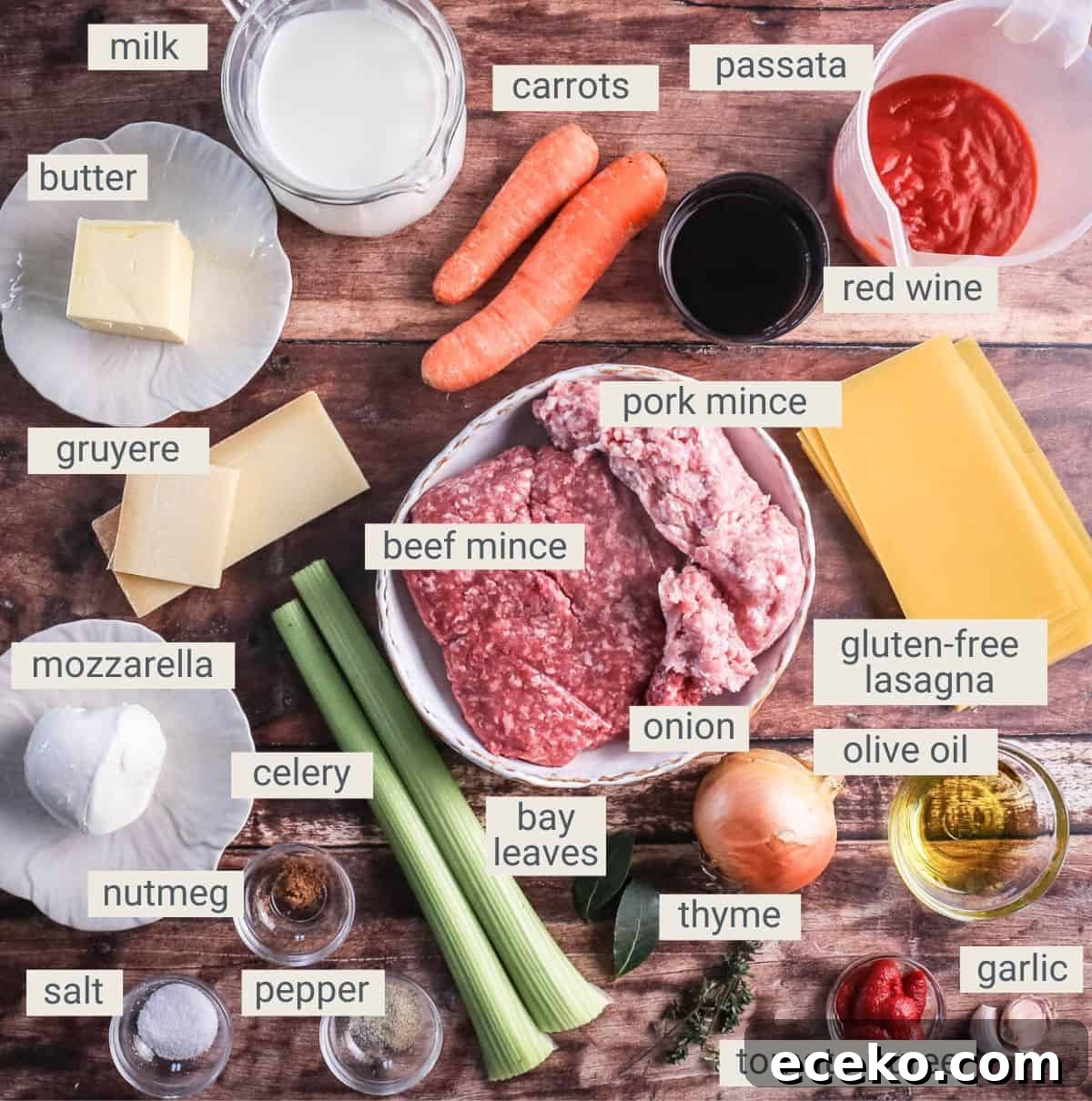
Key ingredients and why they matter:
- Olive oil: a light or mild oil for the soffrito.
- Soffrito: finely diced onion, celery and carrot for the flavour base.
- Meat: mostly good-quality beef mince with some pork mince for juiciness and depth.
- Garlic: fresh or prepared, as you prefer.
- Red wine: adds acidity and complexity; substitute beef stock if avoiding alcohol.
- Passata: smooth tomato base; blend tinned tomatoes if needed.
- Tomato purée: concentrated tomato flavour from a tube or tin.
- Herbs & seasoning: salt, pepper, fresh thyme and bay leaves if available.
- Gluten-free lasagne sheets: a rice/maize/quinoa blend works well to avoid gummy or leathery textures.
- Cheese: gruyère for nuttiness, torn mozzarella for stretch; add extra cheddar or gruyère to the béchamel if you like it extra cheesy.
- Unsalted butter, cassava flour, whole milk, white pepper and nutmeg: for a creamy, stable gluten-free béchamel.
How to make gluten-free lasagne
Full quantities and timings are in the recipe card below.
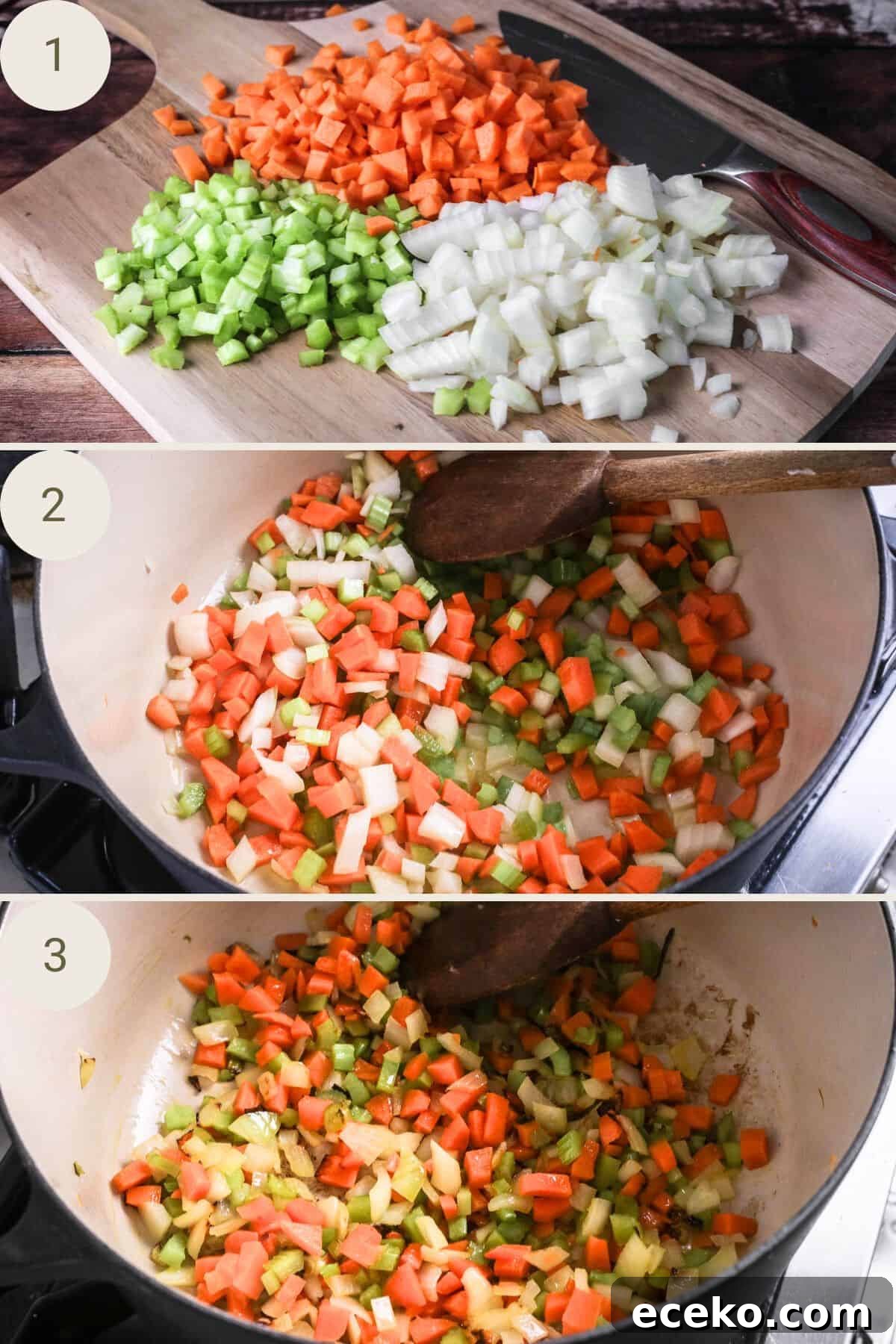
- Sauté the finely diced onion, carrot and celery in olive oil until the onion is translucent (about 10 minutes).
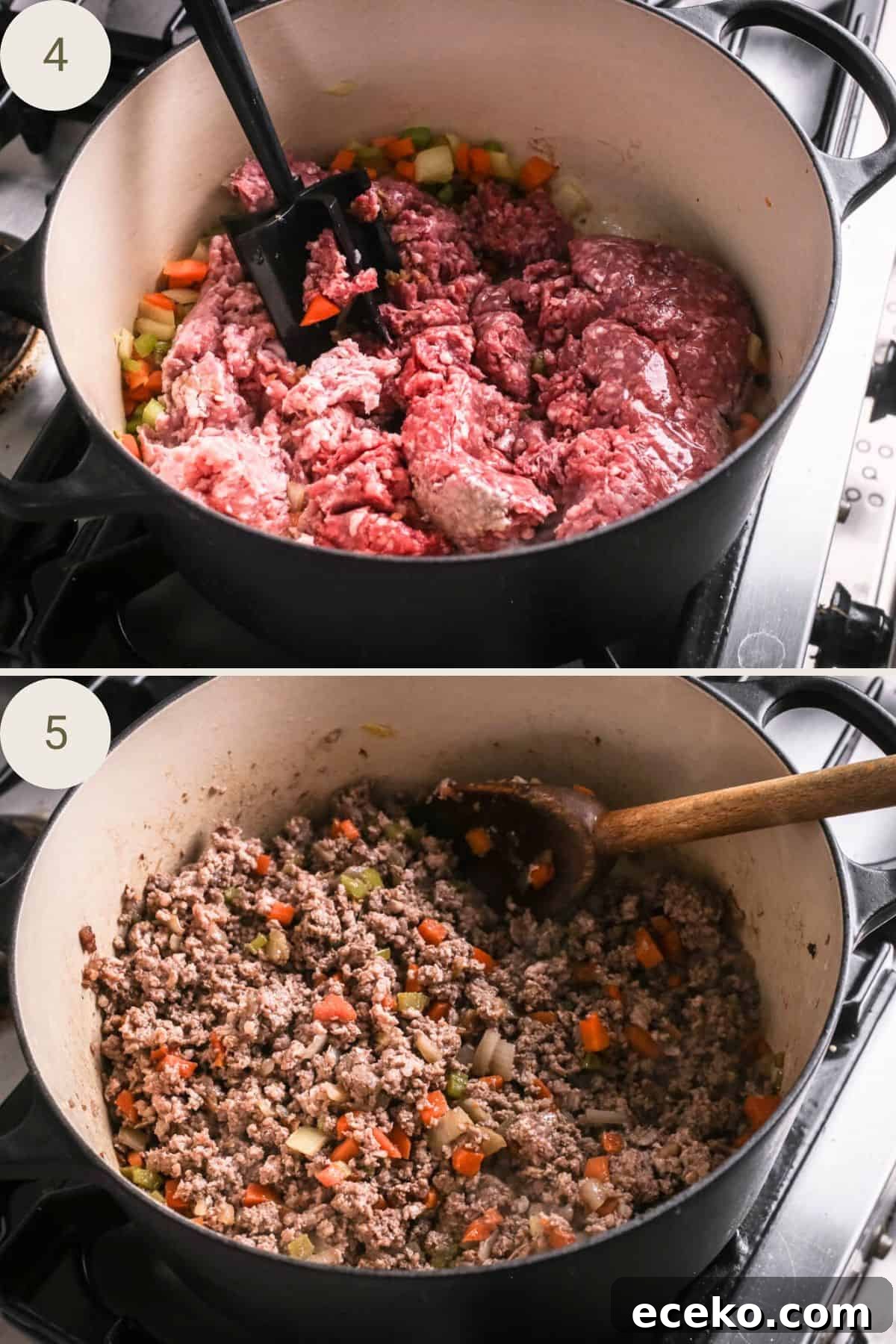
- Add beef and pork mince with crushed garlic, breaking up and browning the meat.
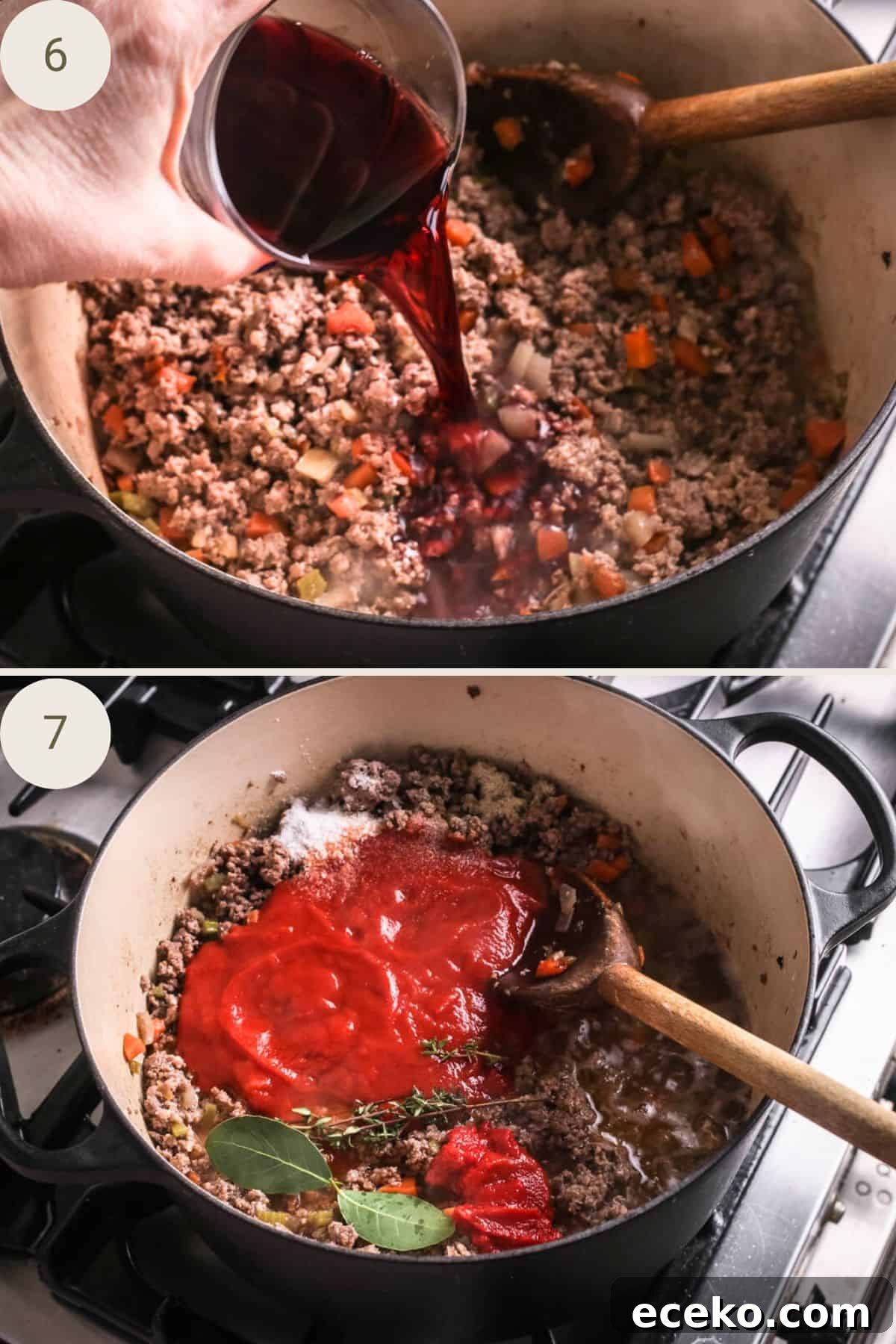
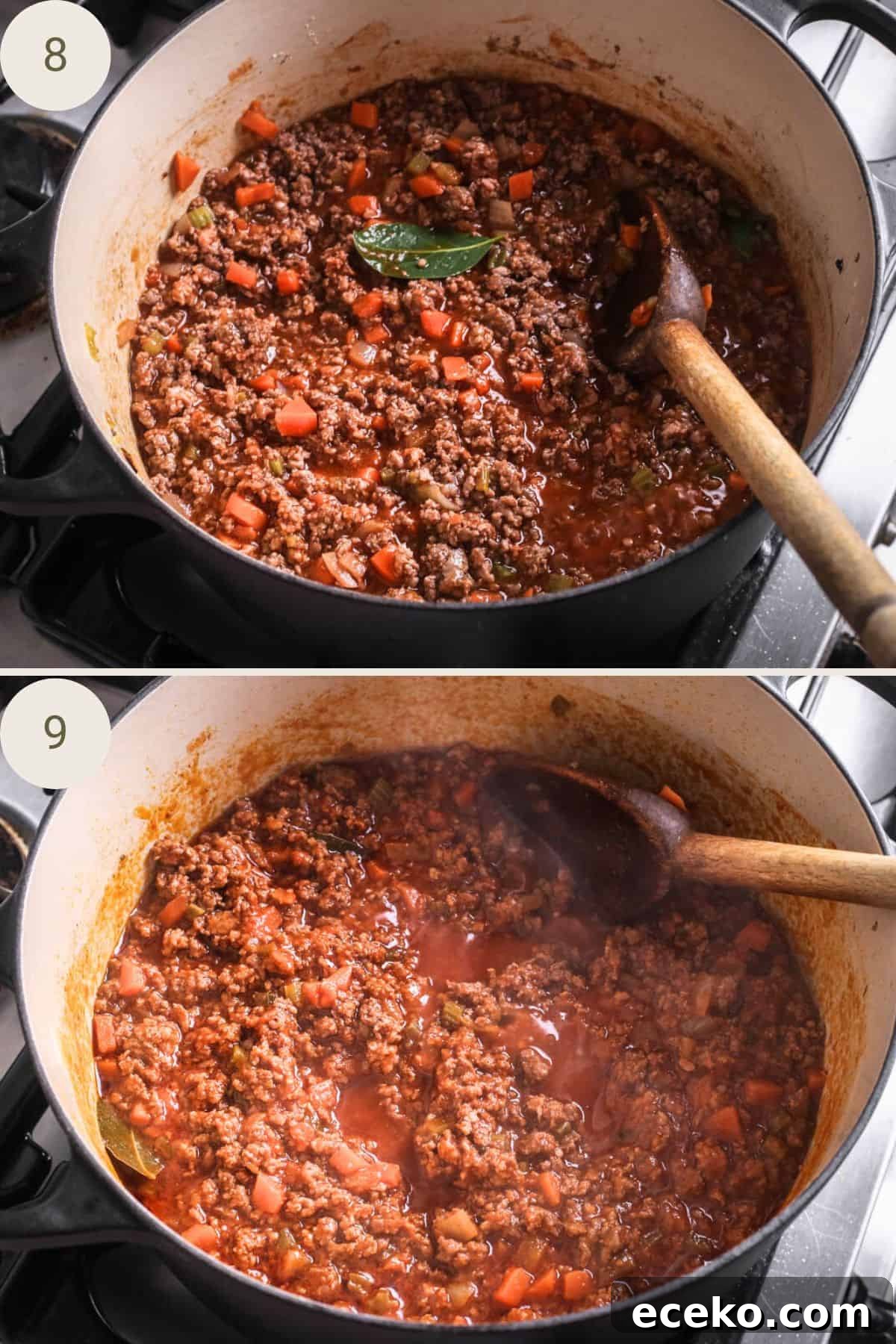
- Pour in red wine and let it bubble away for a couple of minutes, then add tomato purée, thyme, bay leaves, passata and seasoning.
- Cover and simmer the ragù gently for 30 minutes, then remove thyme and bay leaves before assembly.
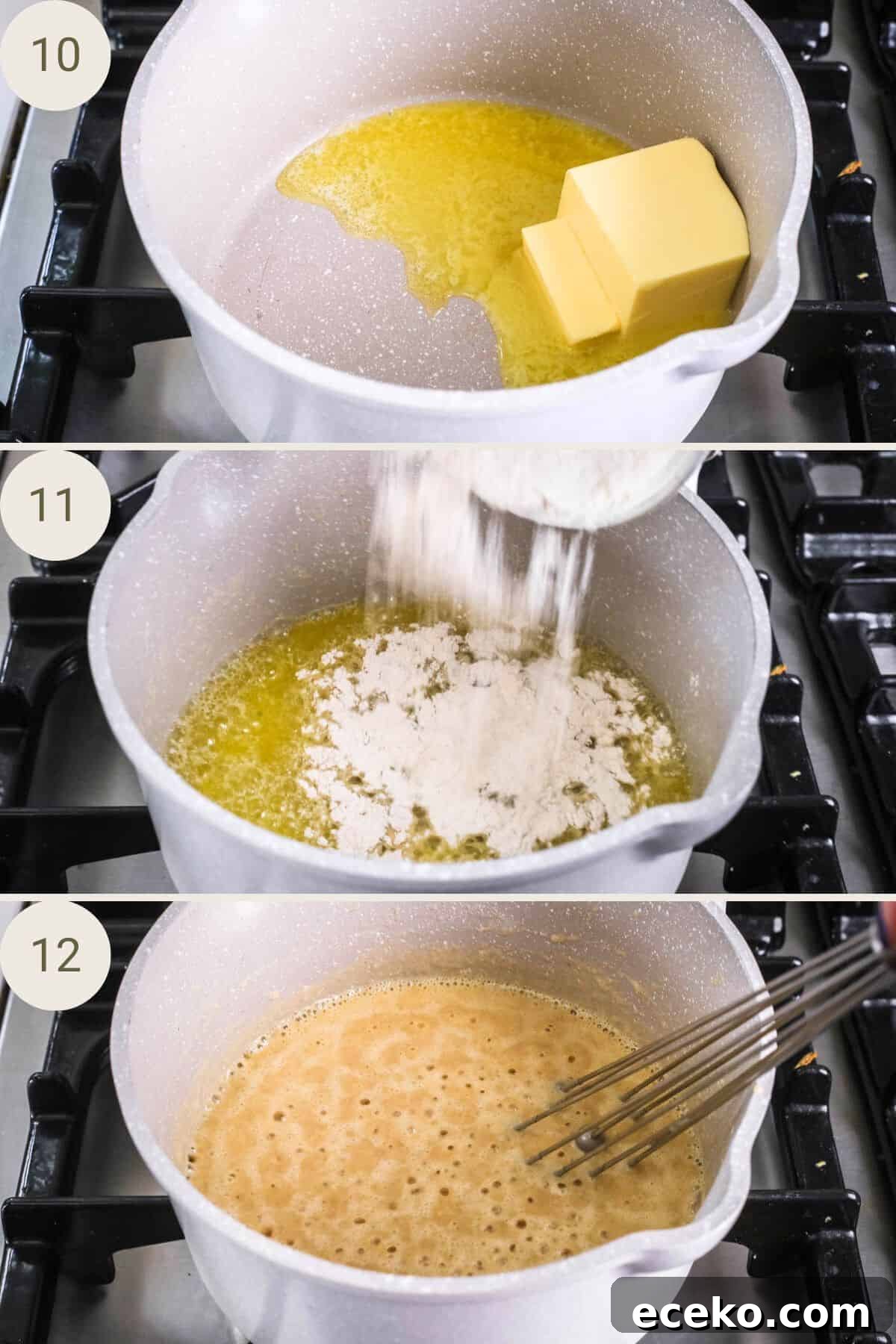
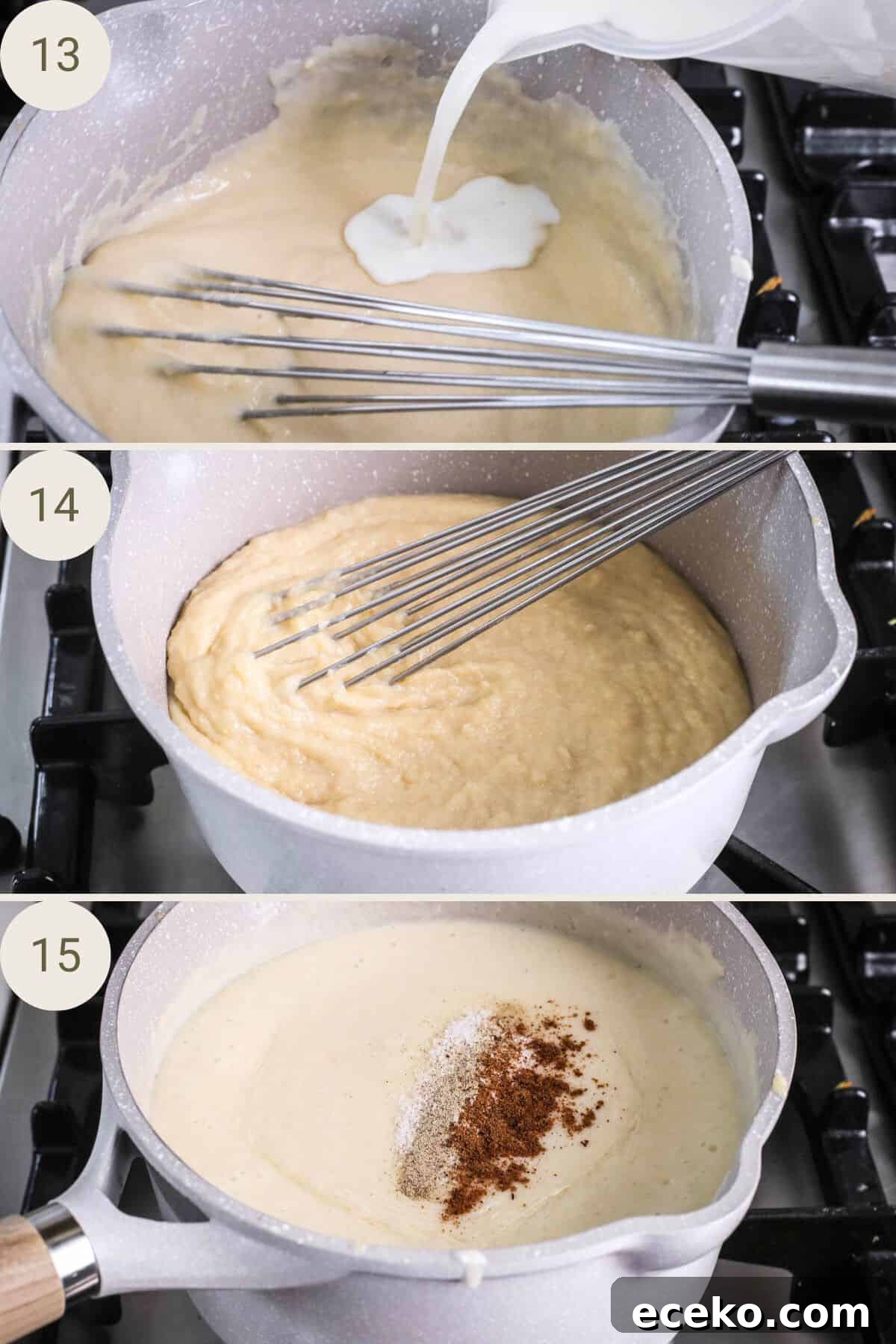
- Make the béchamel: melt butter, whisk in cassava flour and cook for 2–3 minutes to remove the raw flour taste. Gradually whisk in whole milk and simmer until the sauce is thick and smooth. Season with salt, white pepper and freshly grated nutmeg. Press cling film onto the surface to prevent a skin forming.
- Blanch 3–4 lasagne sheets (top layers) for one minute each and rest on baking parchment.
- Assemble in a deep lasagne dish: start with a thin layer of ragù, arrange three pasta sheets, spoon over béchamel to fully cover the sheets, then repeat to create four layers. Ensure the final layer uses the blanched sheets and is generously covered with béchamel.
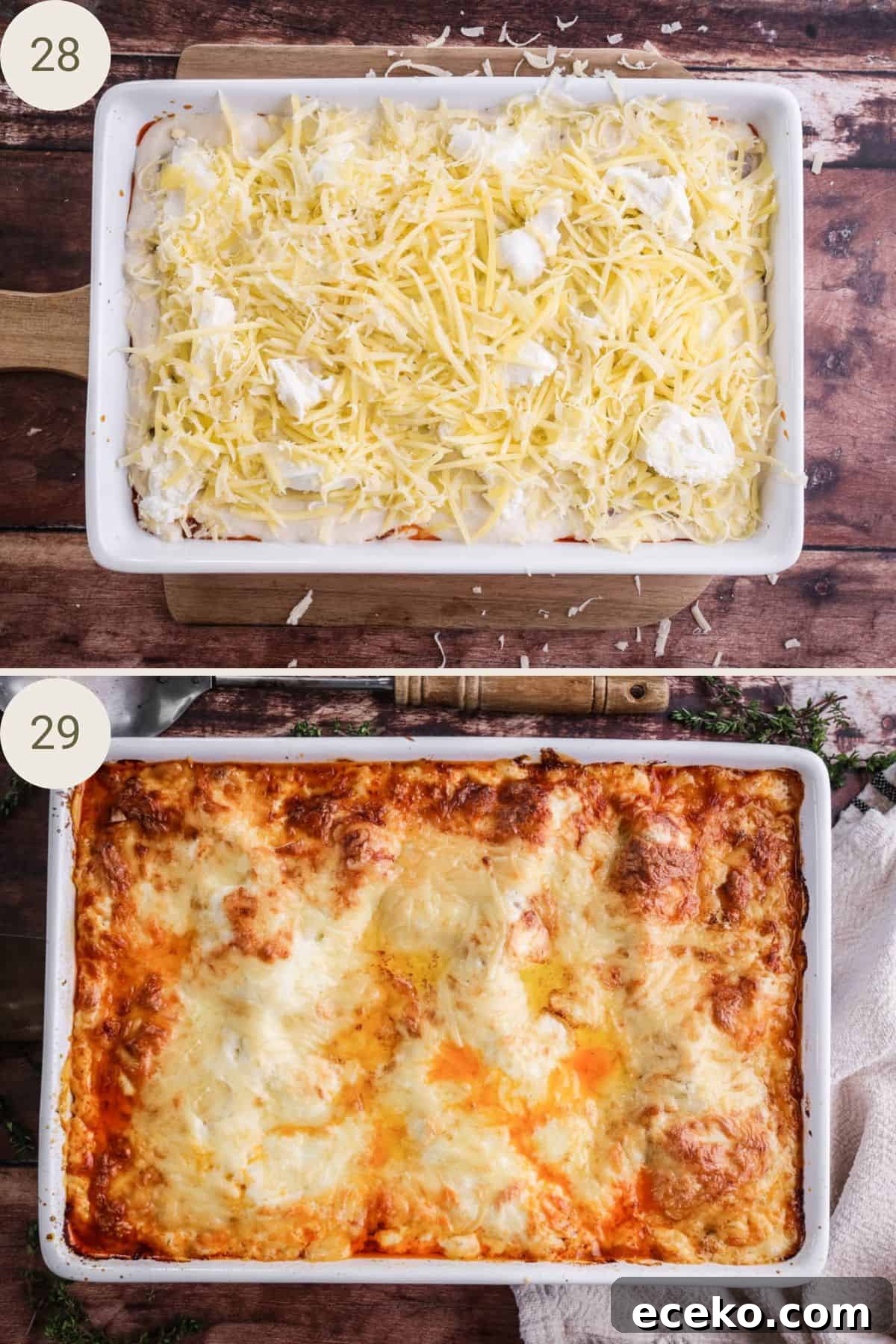
- Top with torn mozzarella and grated gruyère, bake at 180°C (160°C fan) for 50–55 minutes until golden and bubbling. Rest for 15 minutes before slicing and serving.
Tips and troubleshooting
- Blanch only the top sheets: blanching 3–4 top sheets prevents them drying out during baking and keeps the top layer soft.
- Make a thick béchamel: a generous béchamel layer protects the pasta — follow the roux and milk technique and whisk steadily for a smooth finish.
- Cover the pasta fully: ensure the pasta edges are well coated with béchamel and ragù so no pasta is exposed.
- Check doneness: test the centre of the lasagne with a skewer or thin knife — if it slides through easily the pasta is cooked. If it resists, bake another 5–10 minutes, covering with foil if the top is browning too fast.
- Rest before serving: rest for 15 minutes so the lasagne sets and slices hold together.
Instant Pot ragù
You can make the ragù in an Instant Pot for faster, deeper flavour. Follow the same sauté and ingredient order, then seal and cook on high pressure for 25 minutes after adding the passata. Natural release for 10 minutes, then finish and assemble the lasagne.
Making ahead
Lasagne benefits from resting, so you can make the ragù and béchamel up to 2–3 days in advance, store them in airtight containers, then assemble and bake on the day. Fully cooked lasagne keeps in the fridge for up to 3 days.
Freezing
Freeze the uncooked assembled lasagne (in a deep foil dish if possible) wrapped well in cling film and foil for up to two months. Defrost overnight, cover with foil and bake at 180°C/160°C fan for 50–55 minutes.
Re-heating
To reheat a whole lasagne, cover with foil and bake at 200°C / 180°C fan for about 40 minutes. Individual slices reheat well in an air fryer (200°C for ~6 minutes) to revive a crisp top, or in the microwave for 6–7 minutes if convenient.
FAQs
Most dried gluten-free sheets cook fine without pre-cooking. I recommend blanching only the top layer for one minute to prevent it drying out during baking.
Yes. Use dairy-free cheese for the topping and substitute plant-based butter and oat or almond milk in the béchamel.
Yes. Swap the meat for roasted vegetables or a vegetable ragù and simmer with the passata and seasonings for 30 minutes.
What to serve with gluten-free lasagne?
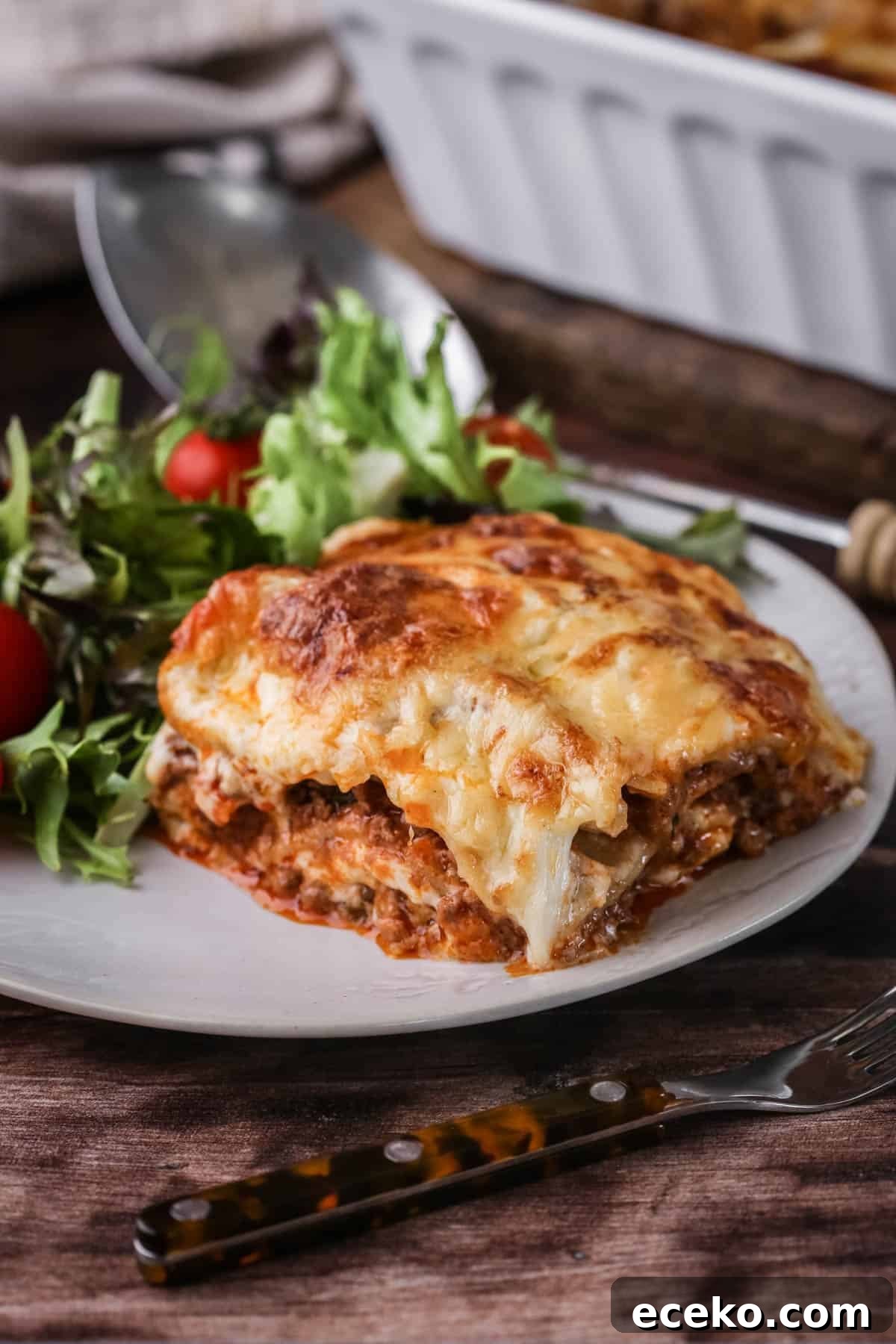
Pair the rich lasagne with something fresh: a simple green salad with lemon vinaigrette works perfectly. Garlic bread is an indulgent but classic accompaniment that soaks up the sauce.
More gluten-free family favourite dinners you’ll love
Try other comforting gluten-free dinners like tuna pasta bake, shepherd’s pie or toad in the hole for easy family meals that translate well to gluten-free versions.

Gluten-Free Lasagne
Pin Recipe