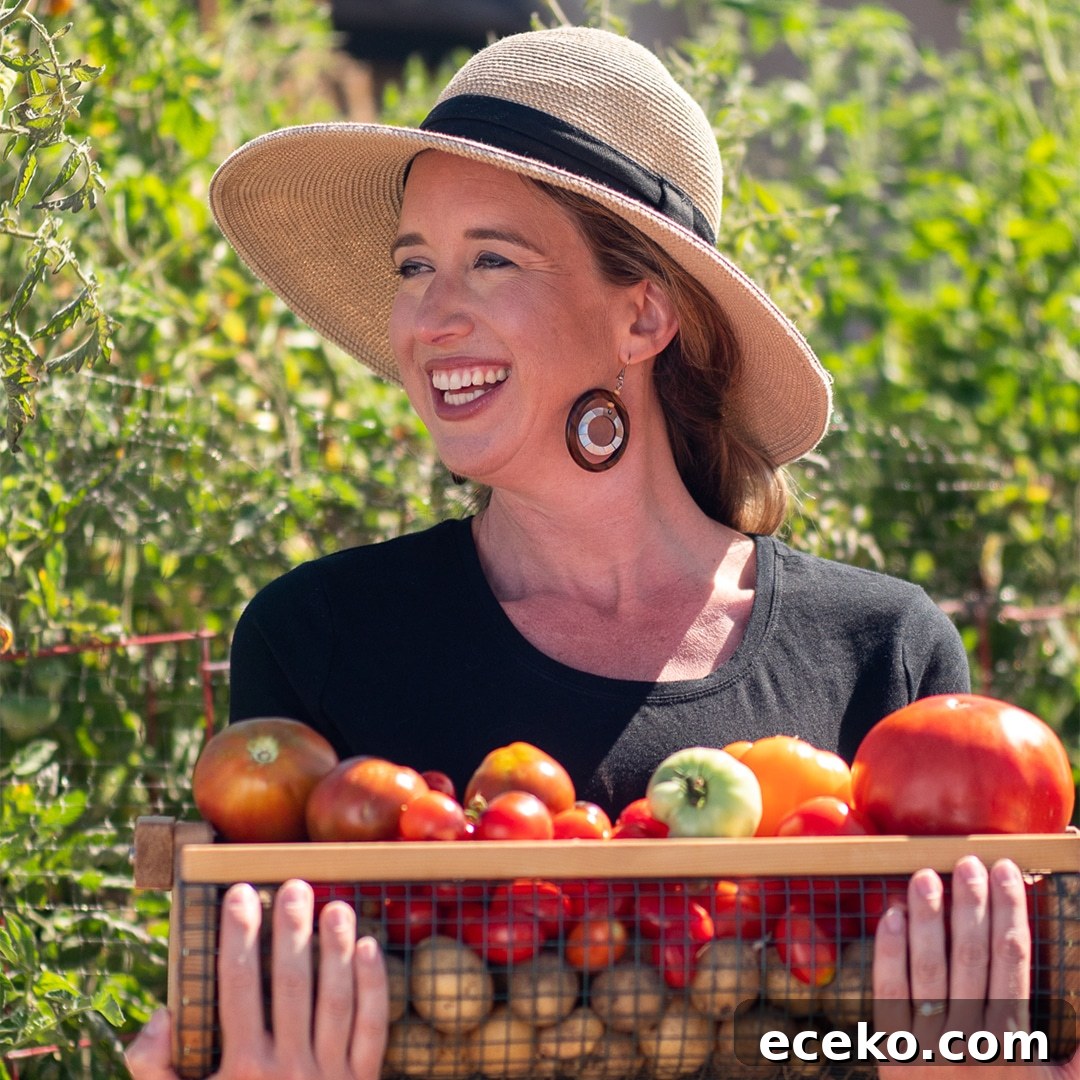
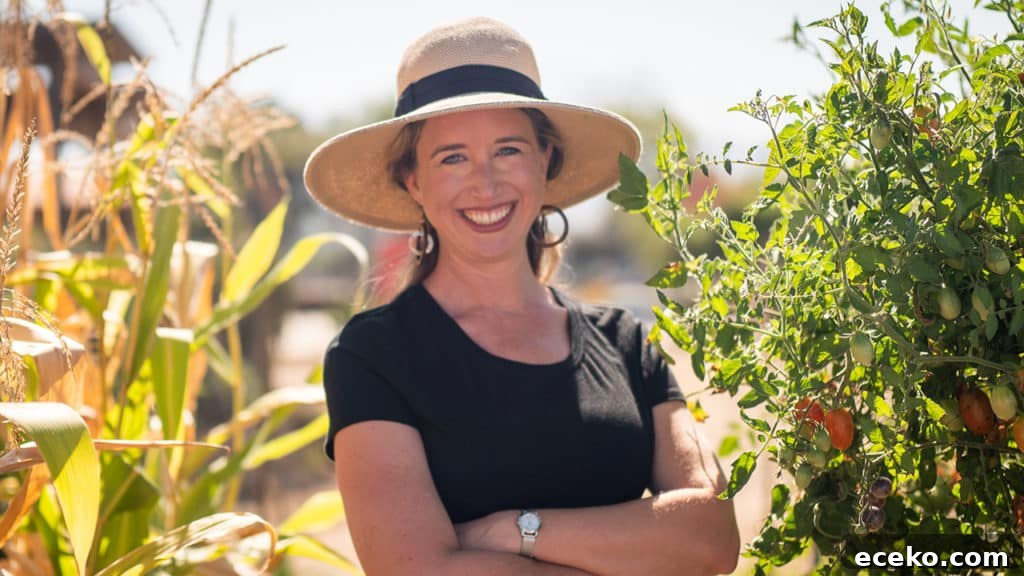
I remember my first garden: a small post-college project in a townhouse backyard about 20×16 feet, part paved and part soil. We hadn’t much furniture then, just a plastic pool lounge as a couch and a folding picnic table. That didn’t stop me from filling the trunk of my car with nursery plants—each one seemed irresistible.
What I don’t recall from that first season is much harvest. Instead I learned about leggy vines and the look of black spot, aphids, and Japanese beetles. My early solution was naive—a white powder dusted over everything—and it didn’t solve the underlying issues.
Over the years my gardening improved as I learned from mistakes, trial and error, and the occasional generous mentor. More recently I’ve been studying regenerative organic agriculture and dynamic agroforestry—approaches our Dr. Bronner’s team has helped implement with fair-trade producers in Sri Lanka and Ghana. These systems aim to work with nature’s processes rather than against them, rebuilding soil, closing resource loops, and restoring productivity to degraded land.
Regenerative organic practices can yield lush, productive farms from depleted fields. They conserve resources, eliminate waste, improve farmer incomes and resilience, and even sequester carbon into soils—helping mitigate climate change. That’s why Regenerative Organic Certified (ROC) has emerged as a meaningful standard for ingredients and farming practices.
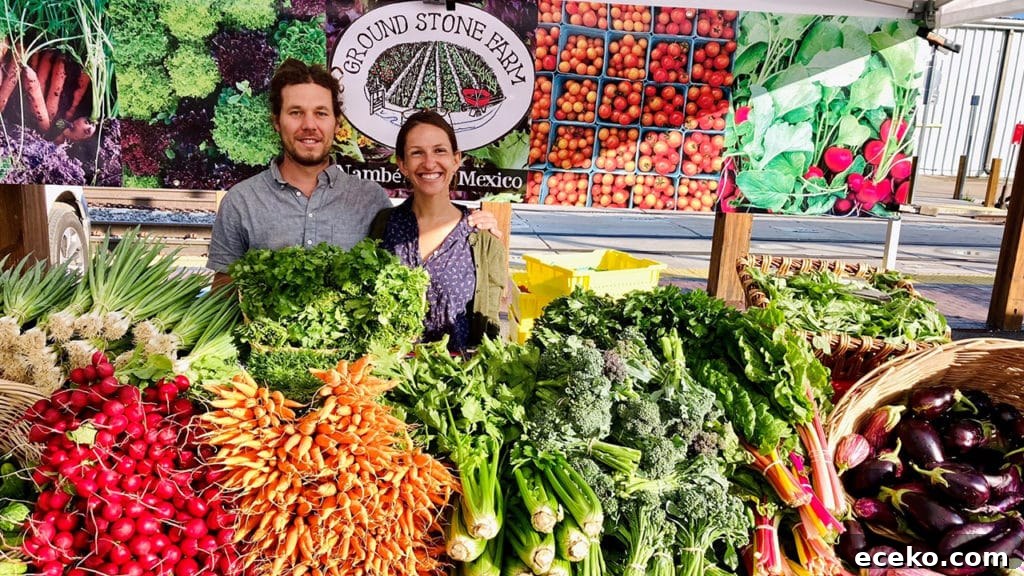
I began wondering how those principles translate to the home garden, from a single patio pot to a collection of raised beds or a small plot that feeds a household. To explore this, I spoke with Mat Ladegaard of Ground Stone Farm, a market garden high in the New Mexico mountains. At 7,000 feet with scarce water and temperature extremes, Mat’s work revolves around one idea: nurture the soil. His core belief—”If you take care of your soil, it will take care of your crop”—applies equally to home gardeners and large-scale farmers.
The Five Tenets of Soil Health & How To Apply Them at Home
1. Keep the soil covered
Protecting soil with continuous cover prevents erosion, suppresses weeds, reduces evaporation, and protects the living community beneath the surface. Covered soil retains moisture and supports the organisms that make soil fertile.
Between seasons, plant cover crops or lay down organic layers such as chopped crop residue, hay, or cardboard. Cover crops—especially legumes—hold soil and add nitrogen. During the growing season, cover paths and gaps with mulch, quick-growing plants like radishes, landscape fabric, or plant trimmings that will break down into humus over time.
Leaving soil bare invites compaction, weeds, drying, or loss of life, depending on your climate. Keep it covered.
Application for the home garden:
- Plant cover crops in fallow beds or cover with spent plant material, hay, or cardboard.
- Use mulch or landscape fabric between rows to conserve moisture and suppress weeds.
- Leave prunings and chopped plant material to decompose on the soil surface.
- If you pause gardening for a season, chop last season’s plants and leave them as a protective blanket.
2. Limit tilling and soil disturbance
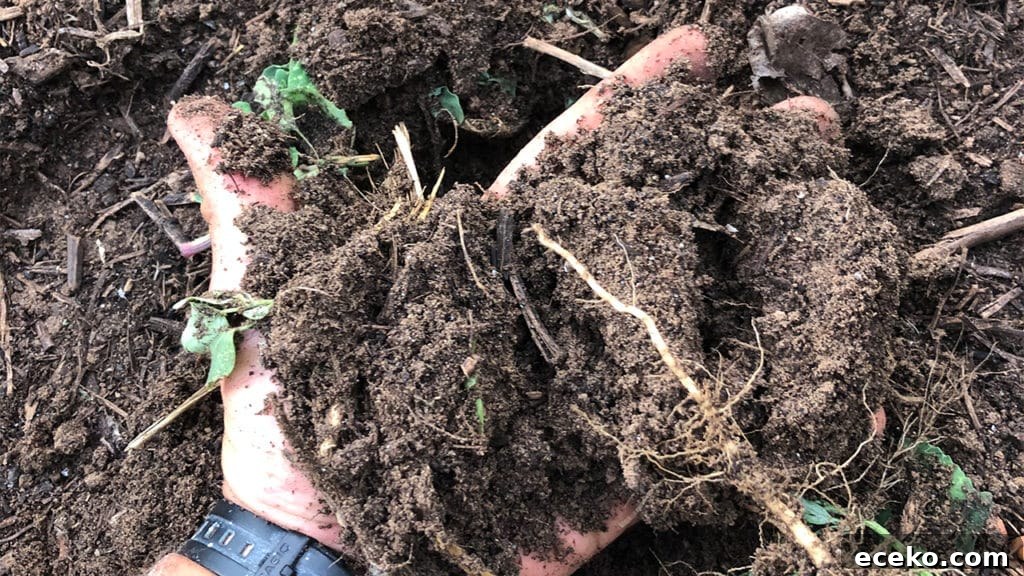
Conservation tillage protects soil structure and the microbial life that lives in the dark, stable layers below the surface. Excessive tilling exposes those communities to air and sunlight, weakening them and releasing stored carbon into the atmosphere.
Mat minimizes disturbance by chopping crop residue and leaving it on the surface, then using tools like a broadfork to aerate without overturning the soil. This preserves structure, roots, and the subsurface biology that supports plant health.
Application for the home garden:
- Use a broadfork or hand fork to loosen soil without intensive turning.
- Avoid deep digging or frequent tilling that disrupts soil microbial networks.
- Leave roots in place and cut spent plants a few inches above the soil to feed the underground community as they decompose.
3. Maximize diversity
Biodiversity strengthens systems. Rather than monoculture, regenerative approaches mix species, rotate crops, and create plant communities that resist pests, build soil, and provide continuous yields. Dynamic agroforestry exemplifies diversity by layering plants from groundcover to canopy so they support one another, shade the soil, suppress weeds, and produce harvests across seasons.
In a garden, diverse plantings mirror natural systems: plants thrive in community, pests are less likely to spread unchecked, and soil nutrients are used and replenished in a balanced way.
Application for the home garden:
- Practice companion planting—even in containers—pairing plants that benefit one another.
- Interplant quick growers (radishes) with slower crops (squash) to make efficient use of space.
- Try the Three Sisters method: corn for structure, beans for nitrogen, and squash for ground cover.
- Adjust spacing to local climate—denser plantings in dry areas, more airspace in humid regions to reduce fungal disease.
- Rotate crops each season, and include plants at different heights to maximize light and microclimates.
4. Maintain a living root
Keep living roots in the soil as much as possible. Roots feed microbes, cycle nutrients, and hold soil structure. Avoid chemical pesticides and herbicides that harm soil life and contaminate water. Instead, feed soil life with compost, mulch, and organic residues so the system becomes self-sustaining.
Manual weeding is useful until the desired plant community is established and can suppress weeds naturally. Beneficial insects will colonize a healthy, diverse garden on their own; avoid relying on purchased beneficials unless you’re restoring balance in a very small area.
Application for the home garden:
- Leave roots in the ground to decay; cut tops a few inches above soil.
- Use landscape fabric or mulches to suppress weeds without chemicals.
- Feed soil with compost, mulch, and organic matter rather than synthetic fertilizers.
- Weed by hand as needed until plants outcompete weeds.
- Learn edible weeds—purslane, dandelion, and amaranth can be nutritious additions to the kitchen.
- Protect crops with reusable insect netting instead of pesticides.
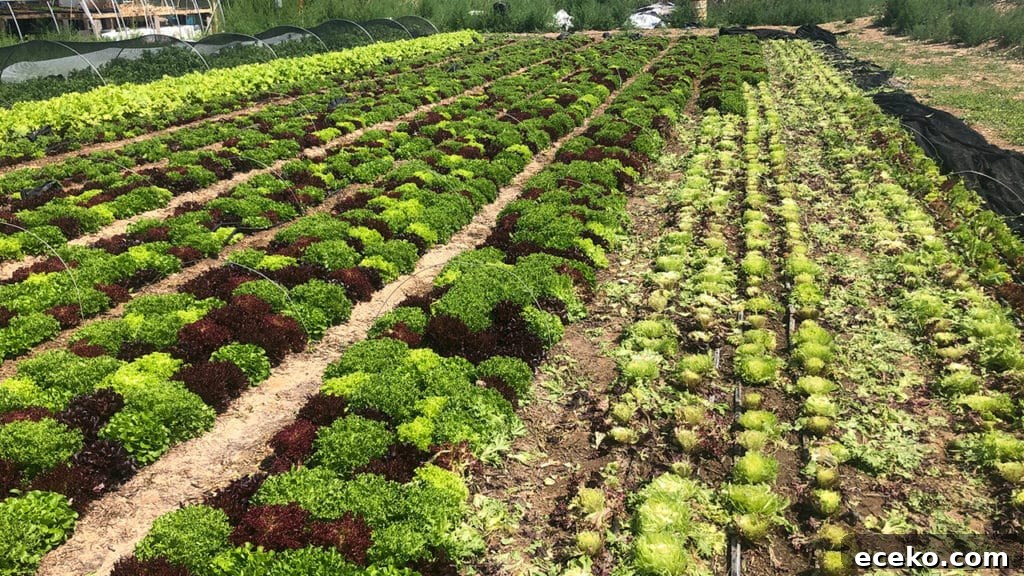
5. Integrating animals
Animals and animal-sourced materials play a role in nutrient cycling. Well-composted manure, bone meal, blood meal, and fish meal supply nitrogen, phosphorus, and potassium. If you prefer plant-based sources, choose organic fertilizers and composts that release nutrients slowly and feed soil life rather than relying on synthetic quick-release products.
Mat recommends moderate-strength organic fertilizers early in the season and regular additions of compost, which acts as the “glue” of healthy soil, improving structure and nutrient retention.
Application for the home garden:
- Source organic compost or manure from local farmers; many are happy to share or sell it inexpensively.
- Use moderate-strength organic fertilizers if needed at the start of the season.
- Add a generous application of compost once a year to build long-term fertility.
More regenerative gardening tips from Mat’s years building up his land:
- Learn locally: talk with nursery staff and farmers at markets; local conditions vary and local experience is invaluable.
- Keep records: take photos and notes so you don’t repeat mistakes and can track what works in your garden.
- Use shade cloth to protect crops from heat and hail when needed.
- Buy organic seeds and seedlings when possible—plants raised without synthetic inputs tend to be more resilient.
Whether you garden in a pot or tend an acre, think regeneratively. Prioritize soil-building over mere plant production. Nurture the hidden life in your garden so the visible parts are healthy, productive, and resilient. Soil is alive; treat it that way.
Inspire us with what you’re planting. Have a tip to share?
Want to learn more?
Recommended books include The Living Soil Handbook by Jesse Frost and No Dig Gardening by Charles Dowding for practical, soil-focused guidance. There are many other resources on regenerative and soil-first gardening—what would you recommend?
Further reading
- Castile Soap Spray for Garden Pests
- “Regenerative Merges” 3 Key Certifications
- Community Supported Agriculture
- Grow Something