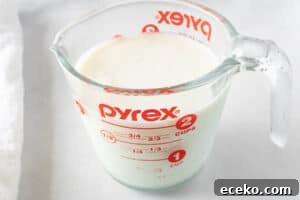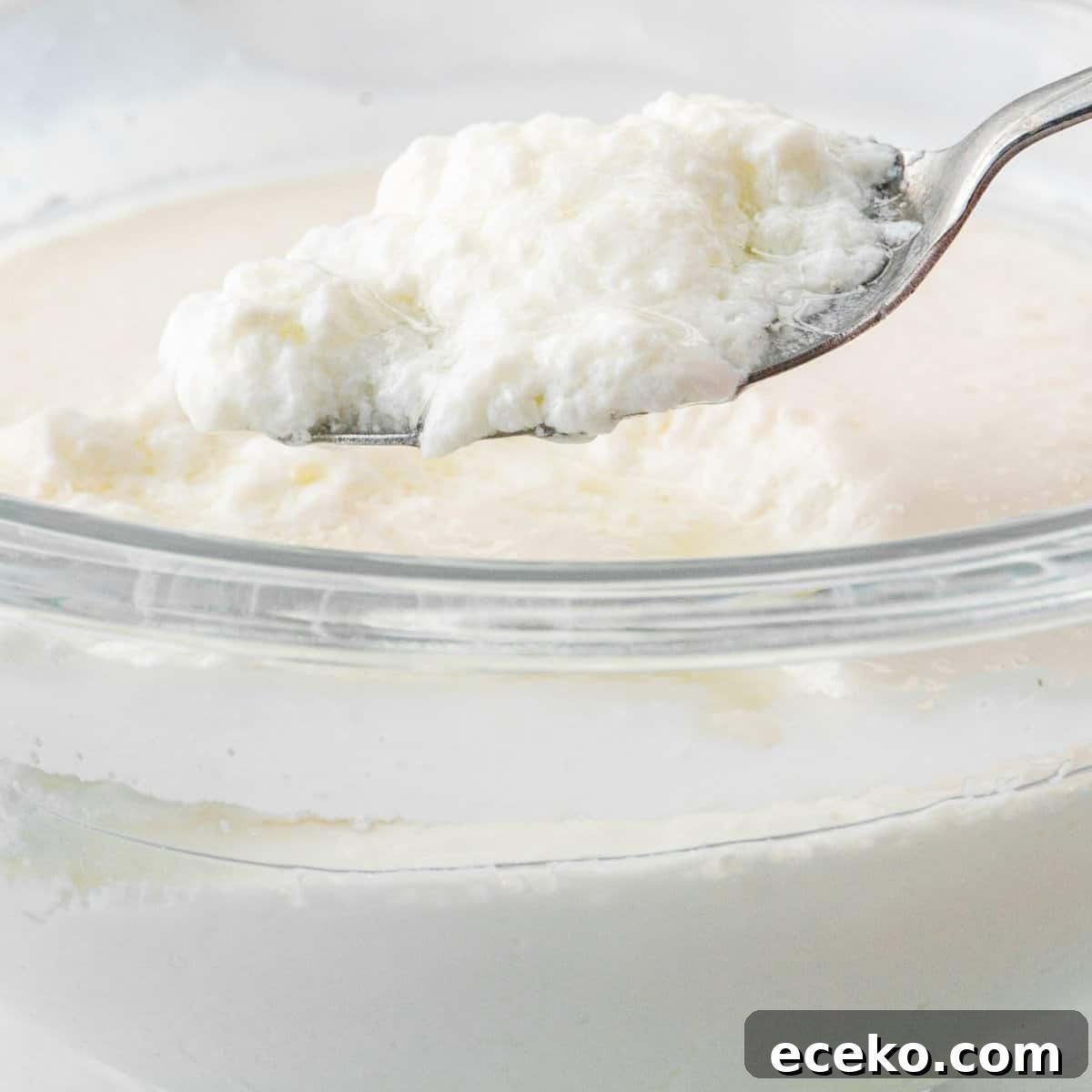
If you have a carton of buttermilk in the fridge and aren’t sure whether it’s still good, knowing How To Tell If Buttermilk Is Bad will help you save recipes — and avoid a stomachache. This concise guide describes the signs of fresh versus spoiled buttermilk so you can decide whether to use it or toss it.
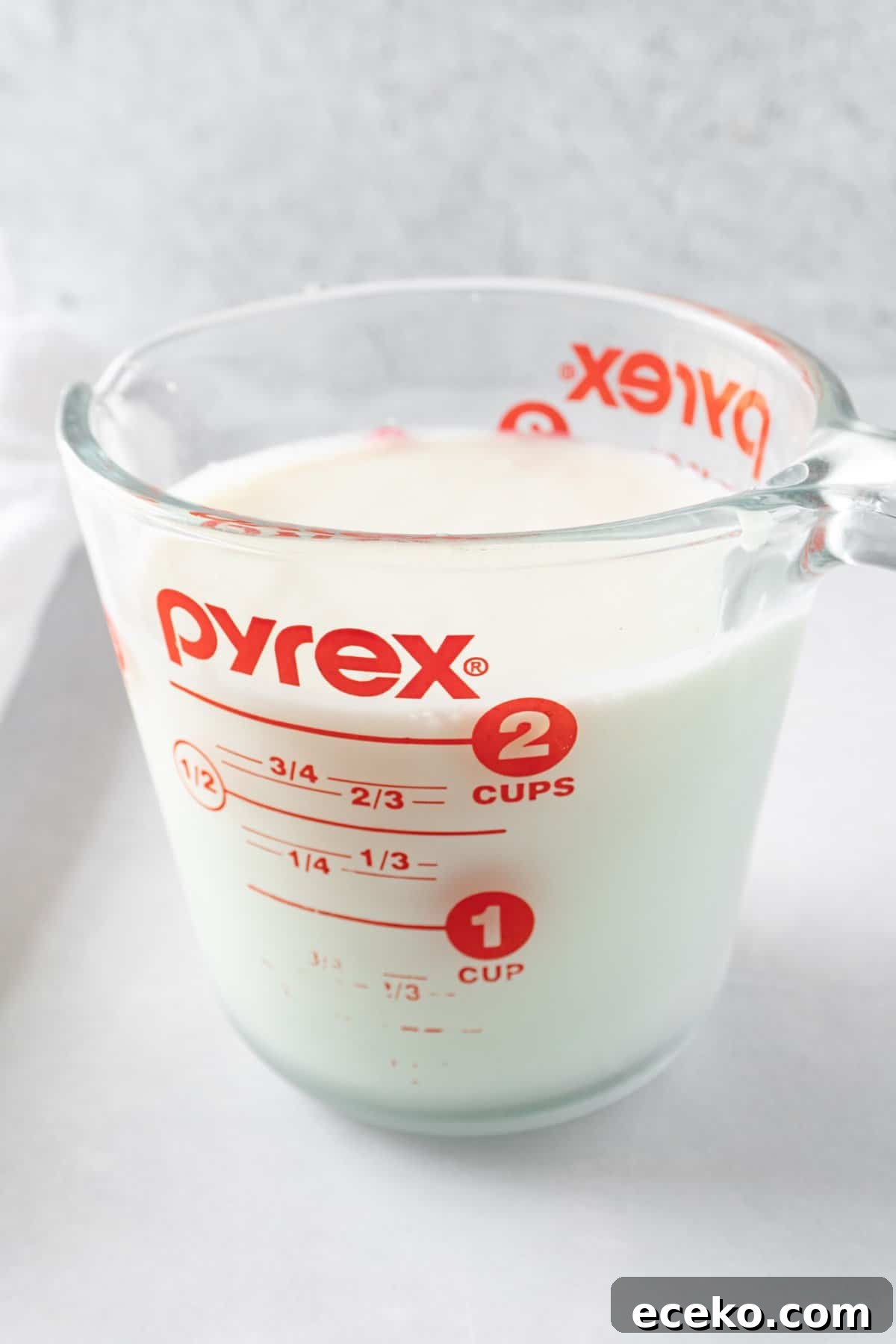
Buttermilk is a versatile ingredient in recipes like buttermilk chocolate cake, orange buttermilk scones, fried chicken tenders, dressings, and marinades. It stores well compared with fresh milk because it’s cultured, but it can still go bad. Read on to learn what to look for.
What is Buttermilk?
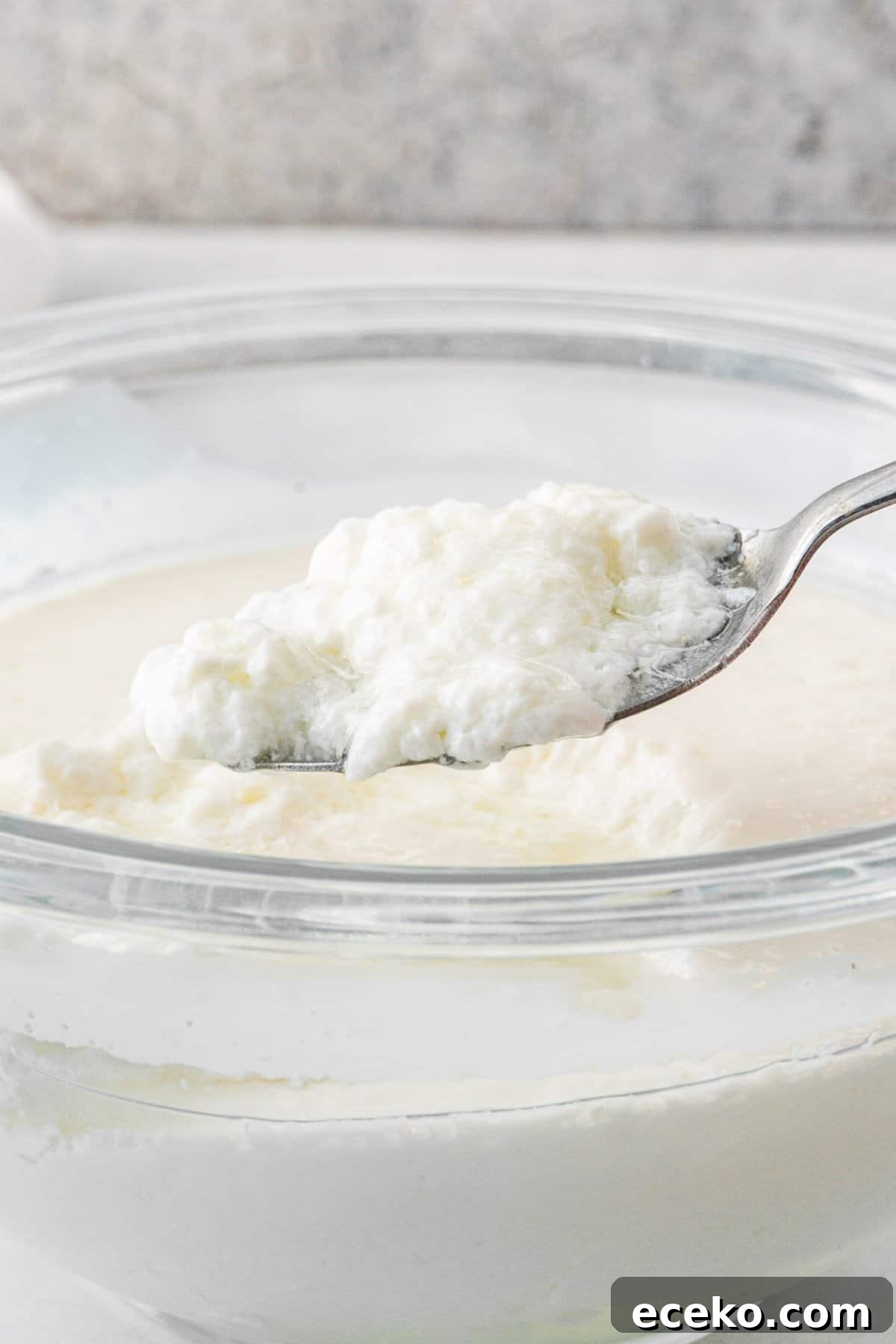
Modern buttermilk is cultured milk — milk that’s been fermented with live cultures. It’s thicker than regular milk and can appear slightly lumpy, which is normal.
Historically, buttermilk was the liquid left after churning butter from cream; that liquid would often ferment naturally. Today’s commercial buttermilk contains specific cultures that create its tangy flavor and thicker consistency, similar to yogurt.
Buttermilk Substitutions
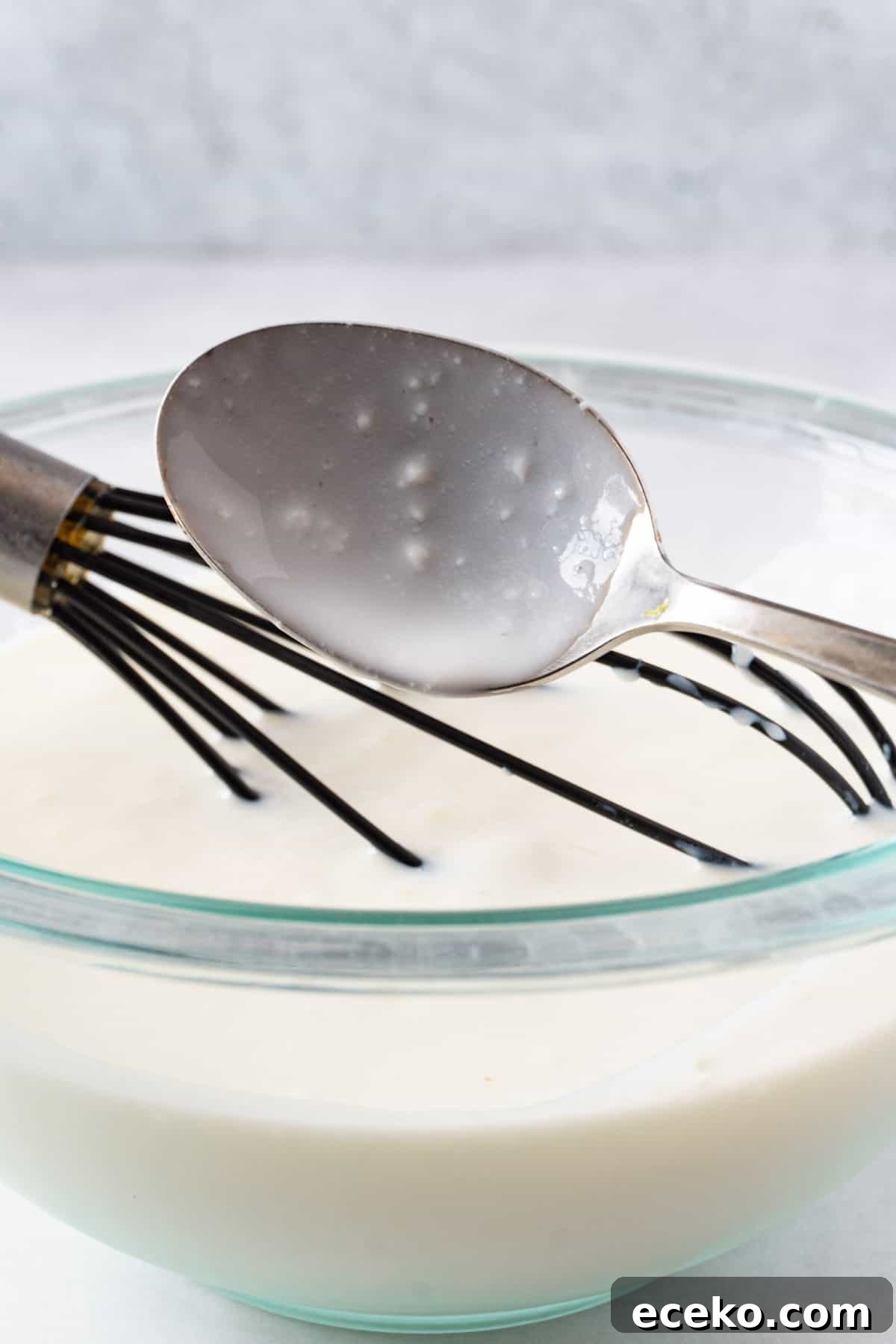
Milk + Acid — To make a quick substitute, add 1 tablespoon lemon juice or white vinegar to 1 cup milk. Stir and let it sit 5–10 minutes until it slightly curdles; use 1:1 for buttermilk in recipes.
Powdered Buttermilk — Powdered buttermilk is shelf-stable. Reconstitute according to package instructions when you need a small amount without buying a full carton.
These swaps are handy when a recipe calls for buttermilk but you don’t have a full carton on hand.
What Should Buttermilk Smell Like?
Fresh buttermilk has a sharp, tangy aroma with a mildly buttery note. It smells slightly acidic — like mild vinegar — but it should not be overpoweringly sour or rotten.
What Does Buttermilk Do In Recipes?
Acidity from cultured buttermilk balances sweetness, activates baking soda to produce a light, fluffy crumb in baked goods, and helps break down proteins to tenderize meat and soften batters.
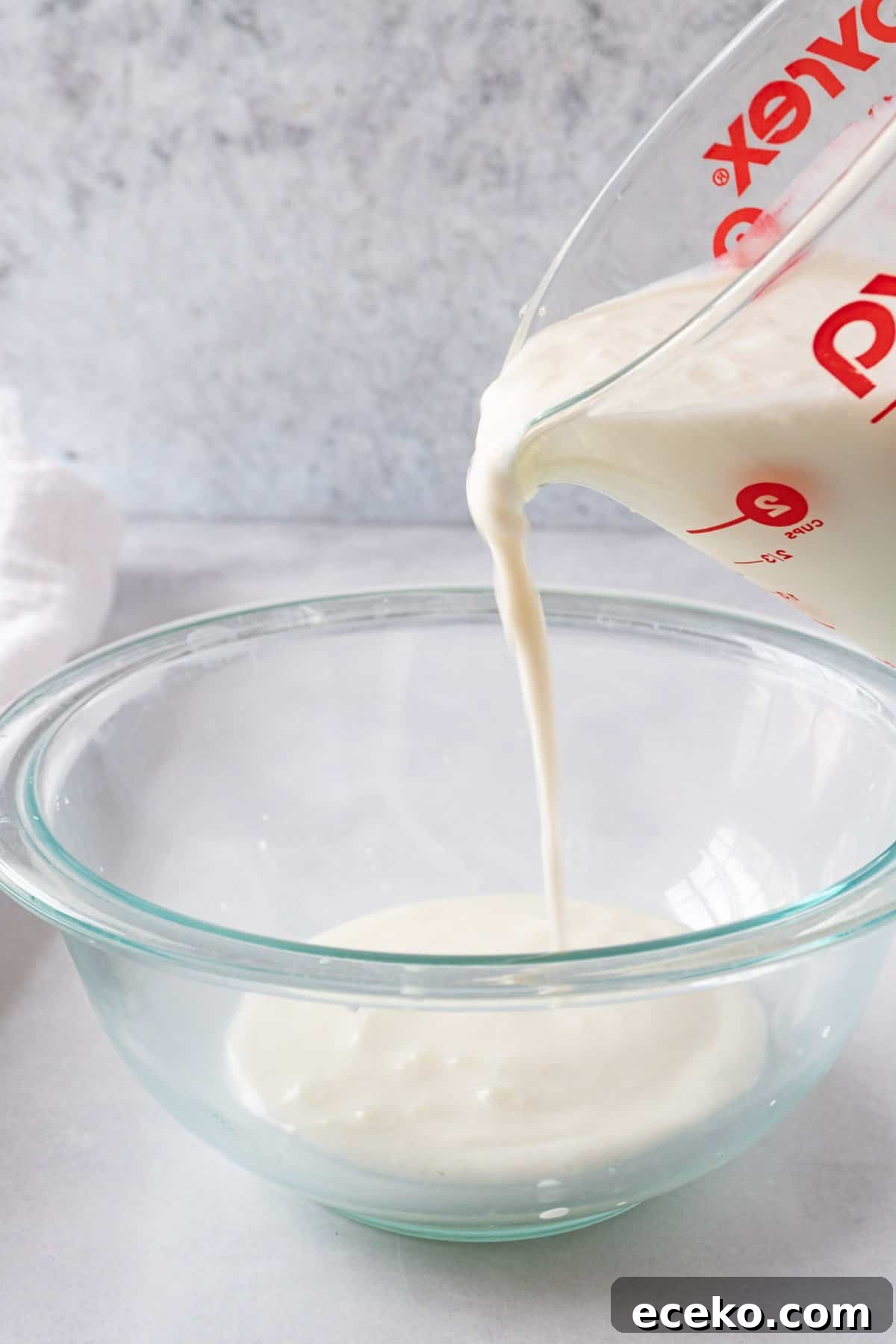
Can You Drink Buttermilk?
Yes. In many cultures buttermilk is enjoyed as a refreshing beverage. When fresh, it’s tangy and drinkable — just avoid drinking directly from the carton to prevent introducing bacteria.
How to Store Buttermilk
Keep buttermilk refrigerated in its original container and shake well before using because natural separation can occur. Store it in the coldest part of the fridge (not the door) to maintain consistent temperature.
Buttermilk can be frozen up to about three months. Freeze in small portions — ice cube trays or small containers — then transfer to freezer bags for convenient future use.
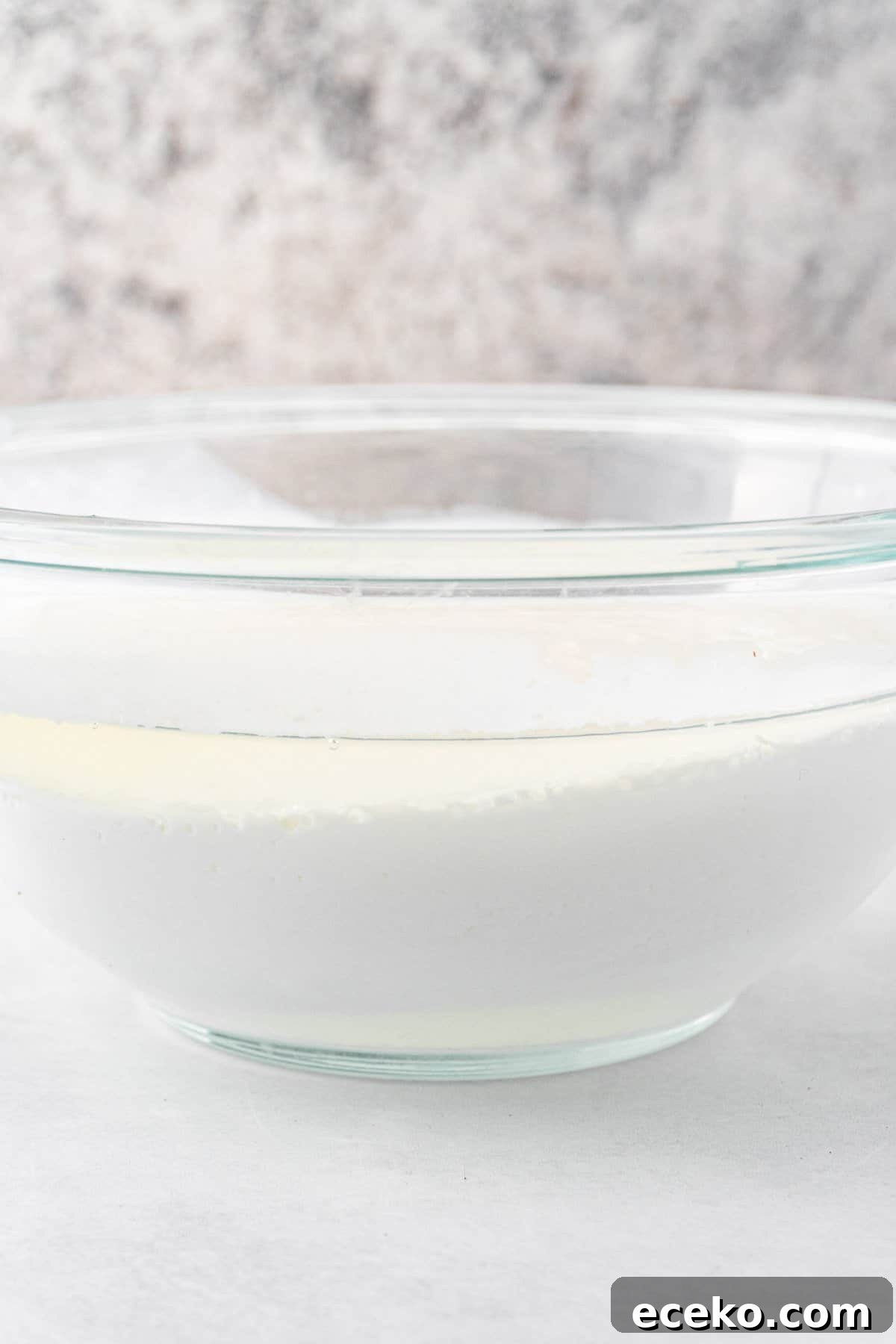
How to Tell If Buttermilk Is Bad
Signs of spoiled buttermilk:
- Very sour, unpleasant, or rotten smell — far stronger than the normal tang.
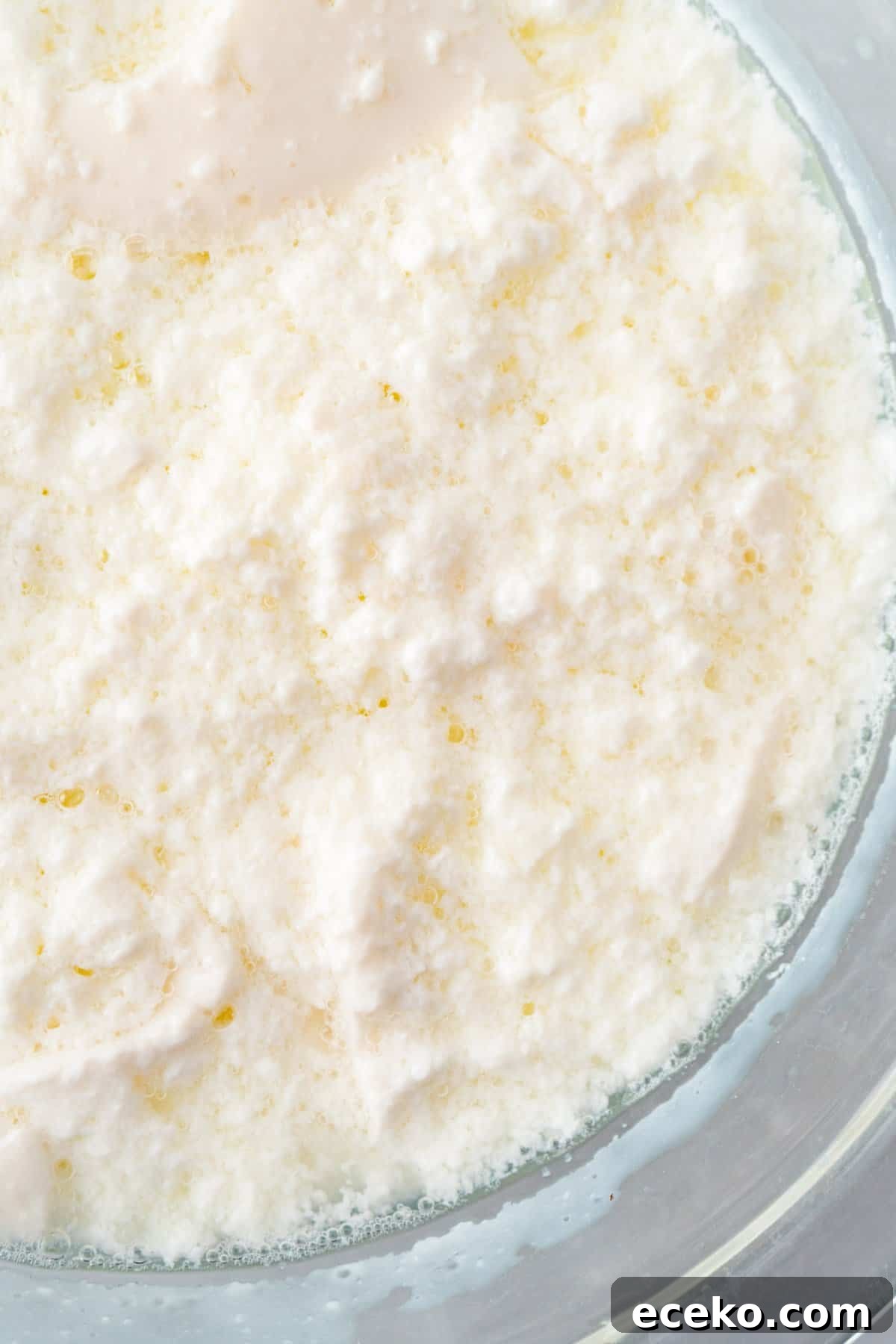
- Extremely thick texture with large curd-like lumps or a slimy feel.
- Visible mold on the surface or lid, or any discoloration beyond the usual creamy white.
If you notice any of these, discard the buttermilk.
How Long Is Buttermilk Good For?
An opened carton of buttermilk typically stays good about 1–2 weeks in the refrigerator. Because it’s cultured, it can sometimes remain usable a little past the printed date — but always check appearance, texture, and smell before using.
Expert Tips on How to Tell if Buttermilk Is Bad
- Shake the container before use — separation is normal.
- Store buttermilk in the coldest part of the fridge, not on the door, to prolong freshness.
- Avoid drinking from the carton to reduce contamination risk.
- When in doubt, toss it — mold or a truly foul smell means it’s unsafe.
Frequently Asked Questions
Look for mold, strong unpleasant odors, unusual discoloration, or very large curds. Any of these indicate it should be discarded.
Slight thickness and small lumps are normal for cultured buttermilk. Large, slimy, or firm chunks suggest spoilage.
Fresh buttermilk smells tangy and mildly acidic, similar to a light vinegar scent, but not rotten or overpowering.
Spoiled buttermilk may show yellowing, dark spots, visible mold, or thick curds that don’t break up when shaken.
Opened buttermilk generally lasts about 1–2 weeks refrigerated; this can vary with handling and storage temperature.
More Related Articles
If you found this helpful, check other kitchen guides on topics such as how to freeze strawberries, freeze corn, freeze bananas, how to tell if Brussels sprouts are bad, and how to toast bread in the oven.
- How to Tell If Potatoes Are Bad?
- How to tell if Bacon is Bad
- How to Tell If a Sweet Potato Is Bad?
- How Long Does Smoked Salmon Last?
If you enjoyed this guide, consider leaving a rating and a comment. You can also subscribe to the newsletter and follow the author on social media for more kitchen tips.
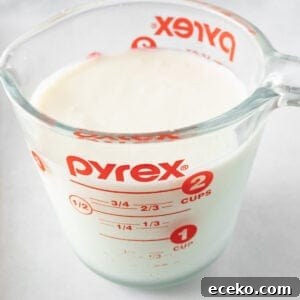
How to Make Buttermilk Substitute?
Ingredients
- 1 tbs lemon juice or white vinegar
- 1 cup milk
Instructions
-
Combine milk and lemon juice or vinegar. Stir and let sit 5–10 minutes until it thickens and curdles slightly.
-
When slightly thickened and lumpy, use this mixture 1:1 as a buttermilk substitute in recipes.