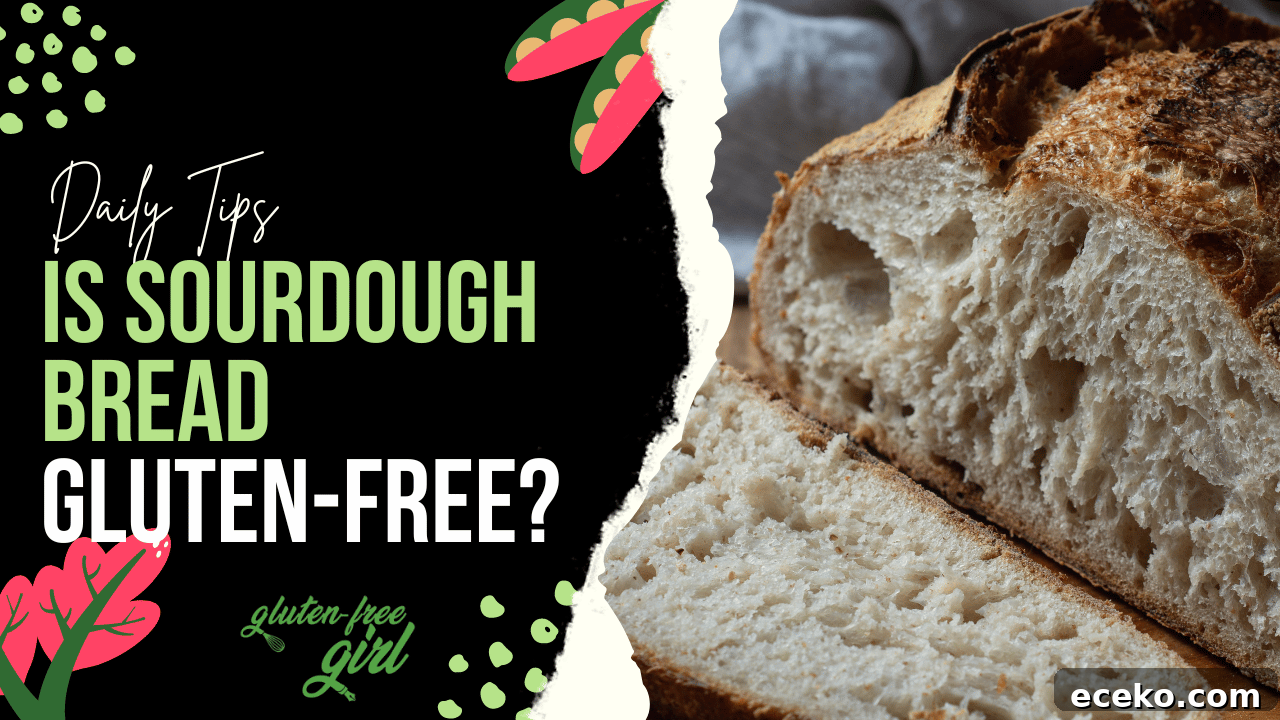
No, sourdough bread is not gluten-free. Traditional sourdough is typically made from wheat flour, which contains gluten. Gluten is a group of proteins present in wheat and related grains such as barley and rye. Whether a sourdough product is gluten-free depends entirely on the ingredients used: sourdough made from wheat flour contains gluten, while sourdough made from certified gluten-free flours (for example, rice, almond, or coconut flour blends) can be gluten-free.
Sourdough is produced by fermenting a dough using naturally occurring lactic acid bacteria and wild yeast. The fermentation process creates the starter — a mixture of flour and water that captures local microorganisms — which is then incorporated into dough to develop the characteristic tangy flavor and airy texture. While fermentation alters some components of the dough, it does not reliably remove gluten from wheat-based breads.
There are gluten-free sourdough recipes that substitute wheat with alternative flours. Common choices include rice flour, almond flour, and coconut flour, sometimes combined to better mimic the structure and taste of traditional sourdough. Nut-based flours, like almond flour, are naturally gluten-free and offer a nutty flavor and different crumb structure, appealing to those following gluten-free, grain-free, or paleo diets.
People with celiac disease or non-celiac gluten sensitivity must avoid gluten-containing sourdough. Celiac disease is an autoimmune disorder triggered by ingestion of gluten, which damages the small intestine and causes a range of symptoms and long-term complications. For anyone with celiac disease, consuming gluten — even in small amounts — can cause harm. Gluten-free sourdough made with certified gluten-free ingredients is the safe alternative for these individuals.
Can a Patient with Celiac Eat Sourdough Bread?
No. Patients with celiac disease should not eat traditional sourdough made from wheat flour because it contains gluten. While some fermentation processes can partially break down gluten proteins, they do not eliminate gluten to levels that are safe for people with celiac disease. Certified gluten-free sourdough made from non-gluten grains and processed in dedicated facilities can be safe, but verification by labeling and certification is essential.
Why Sourdough Bread is Not Gluten-Free?
Traditional sourdough is not gluten-free because it uses wheat or other gluten-containing grains. Fermentation affects flavor and texture but does not reliably remove gluten. Even small amounts of gluten can provoke a harmful immune response in people with celiac disease, so standard sourdough remains unsuitable for them. To be safe, choose sourdough clearly labeled and certified gluten-free, made from alternative flours.
Does Sourdough Bread have High Gluten Content?
Sourdough generally has lower levels of intact gluten proteins compared with some other wheat breads because fermentation can partially break down proteins and reduce certain fermentable carbohydrates (fructans). This can make traditional sourdough easier to digest for some people with minor gluten sensitivity or those with irritable bowel syndrome. However, it is not gluten-free and still contains enough gluten to be harmful to people with celiac disease or severe gluten intolerance.
What Gluten-Free Recipes Can You Create with Sourdough Bread?
Here are several gluten-free sourdough-style recipes that can be made using a gluten-free starter and alternative flours:
- Gluten-Free Sourdough Sandwich Bread: Soft sandwich loaves made with rice, almond, or other gluten-free flour blends designed to replicate the structure of traditional sandwich bread.
- Gluten-Free Sourdough Pizza Crust: A crispy, tangy crust made from a gluten-free sourdough starter and a blend of alternative flours.
- Gluten-Free Sourdough Pancakes: Fluffy pancakes using a gluten-free sourdough starter and GF flour blend for a tangy twist on a breakfast favorite.
- Gluten-Free Sourdough Muffins: Muffins that benefit from the depth of flavor a sourdough starter provides while remaining gluten-free.
- Gluten-Free Sourdough Bagels: Dense, chewy bagels achieved with gluten-free flour blends and a sourdough starter.
- Gluten-Free Sourdough Artisan Loaf: Rustic loaves with a crisp crust and open crumb, produced from dedicated gluten-free starters and flour blends.
- Gluten-Free Sourdough Crackers: Thin, crisp crackers that capture sourdough’s tang using gluten-free flour and starter.
Can a Small Amount of Sourdough Bread Affect a Patient with Celiac Disease?
Yes. Even small amounts of gluten from traditional sourdough can trigger immune reactions and intestinal damage in people with celiac disease. The myth that sourdough fermentation completely eliminates gluten is incorrect; therefore those with celiac disease must avoid wheat-based sourdough and choose certified gluten-free alternatives.
What Should a Gluten-Intolerant Person Do After Unknowingly Eating Sourdough Bread?
If someone with gluten intolerance or celiac disease accidentally consumes gluten-containing sourdough, they should monitor for symptoms and contact a healthcare professional for guidance. Symptoms can include gastrointestinal pain, bloating, diarrhea, fatigue, or headaches. Staying hydrated, resting, and following any symptom-relief recommendations from a provider can help. In the days after exposure, focusing on easily digestible, gluten-free foods and consulting a dietitian familiar with gluten-related disorders can support recovery. If severe or persistent symptoms occur, seek medical attention.
Can Milk Decrease Sourdough Bread’s Gluten Content?
No. Adding milk to sourdough dough does not reduce its gluten content. Milk can affect hydration, flavor, and crumb softness, but it does not break down gluten proteins. Only using gluten-free flours and maintaining strict cross-contamination controls will produce a truly gluten-free sourdough product.
How to Recognize High Amounts of Gluten in Sourdough Bread?
To assess gluten presence, check ingredient labels for wheat, rye, or barley. Texture clues also help: gluten creates a stretchy, elastic dough and a chewy, resilient crumb; bread with a well-developed rise and open, elastic crumb likely contains substantial gluten. Look for “certified gluten-free” labeling if you need to avoid gluten, and source products from bakeries that specialize in gluten-free production to minimize cross-contamination risk.
Can a Person Consume Sourdough with Gluten Sensitivity?
People with non-celiac gluten sensitivity may tolerate traditional sourdough better than other wheat breads because fermentation can reduce certain compounds, but tolerance varies widely. Those with sensitivity should proceed cautiously: choose certified gluten-free sourdough when necessary, read labels carefully, and consult healthcare professionals for personalized advice.
How can Sourdough Bread Affect a Person’s Gluten-Free Diet?
Sourdough can jeopardize a gluten-free diet through ingredient choice and cross-contamination. Shared equipment, airborne flour, and mixed production lines can introduce gluten into otherwise gluten-free products. Certified gluten-free labeling and dedicated production facilities are key safeguards. Individuals should verify certification, ask about production practices, and consider personal tolerance when selecting sourdough products.
Does a Sourdough Bread Sandwich Have Gluten?
Yes, a sandwich made with traditional sourdough bread contains gluten because the bread is usually made with wheat flour. For a gluten-free sandwich, use sourdough specifically made from gluten-free flours and processed to avoid cross-contamination.
Is Sourdough for Gluten Intolerance?
No—traditional sourdough made from wheat is not appropriate for people with gluten intolerance. Gluten-free sourdough alternatives made from rice, almond, or other certified gluten-free flours provide a safe option that preserves some of sourdough’s characteristic flavors and textures.
Can Sourdough Bread Affect a Person with Latent Celiac Disease?
Yes. People with latent celiac disease — who carry the genetic predisposition but may not show active symptoms — can still be affected by gluten exposure. Consuming wheat-based sourdough could trigger immune activation or contribute to progression of the condition. Those with latent celiac disease should consider gluten-free alternatives and discuss risks with their healthcare provider.
Is There a Sourdough Pizza?
Yes. Sourdough pizza is a popular variation where pizza dough is made using a sourdough starter. The long fermentation adds flavor and can improve digestibility for some people. Gluten-free sourdough pizza crusts are available for those who need or prefer to avoid gluten, using certified gluten-free starters and flour blends.