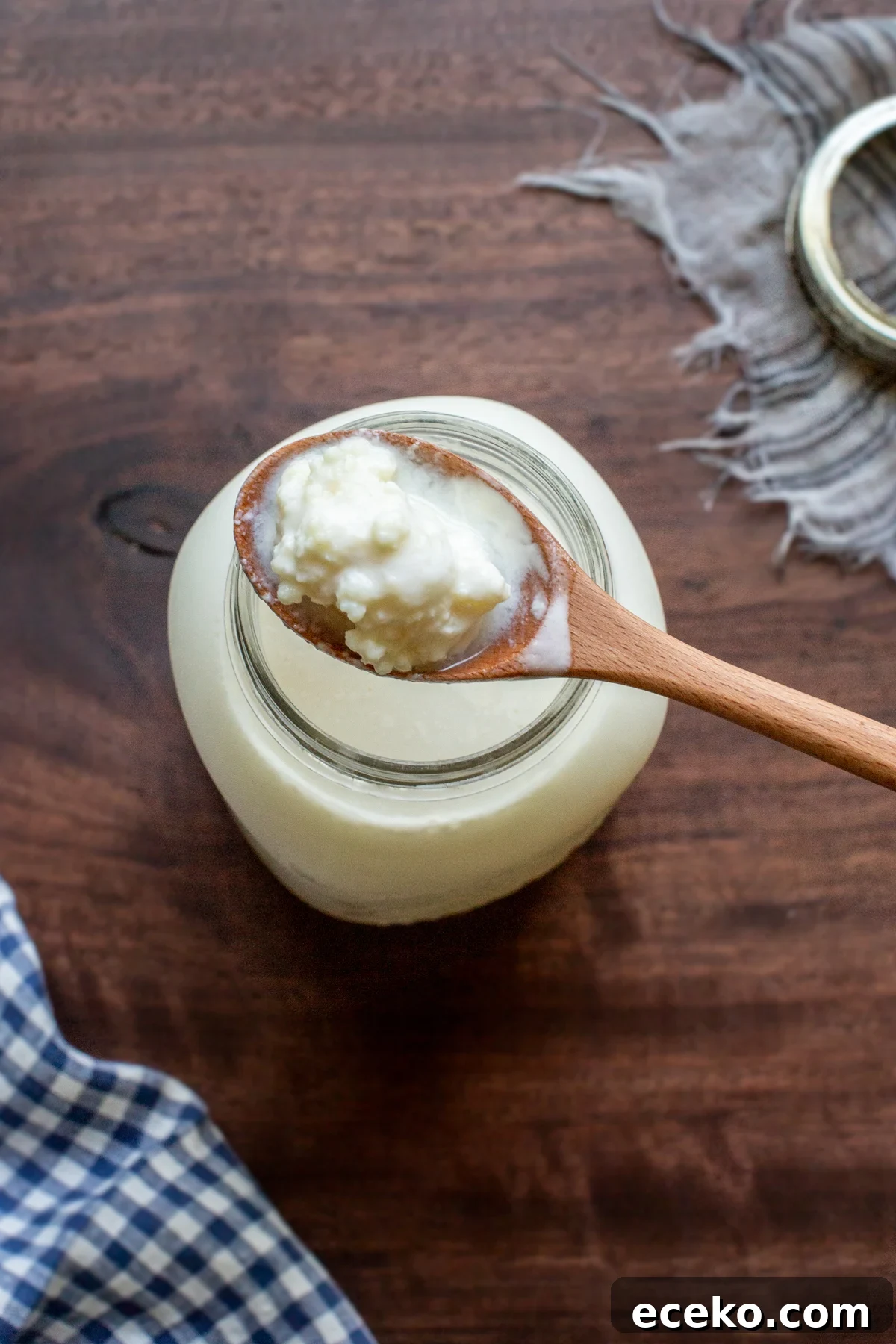
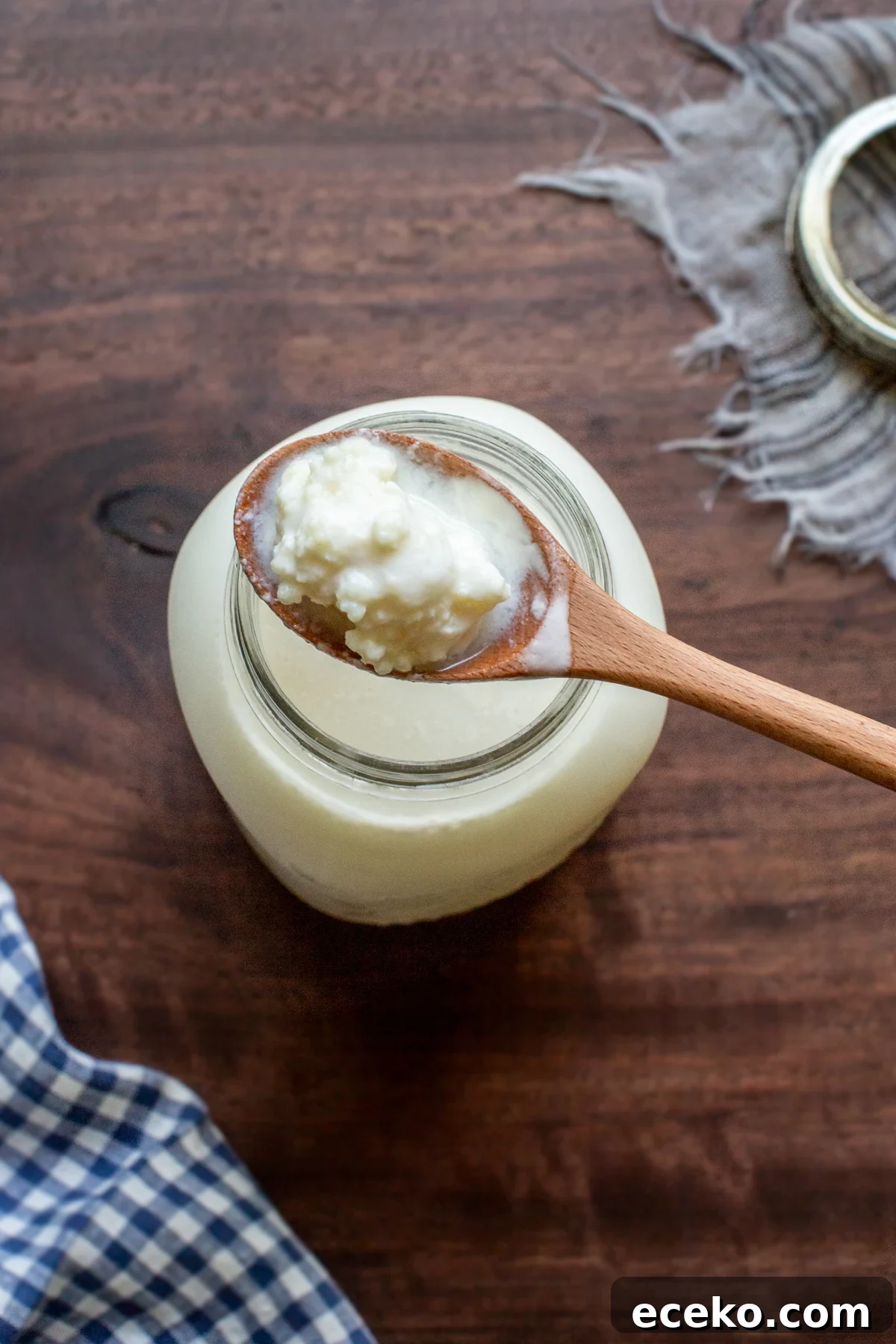
Learn how to make kefir using milk kefir grains. Homemade kefir is a cultured, fermented milk beverage with a tang similar to buttermilk, but easier to digest and rich in beneficial probiotics. Using milk kefir grains as the starter helps milk thicken and coagulate without becoming overly sour. Homemade kefir is versatile — use it in smoothies, salad dressings, pancakes, and more.
Milk Kefir
Fermented milk has long been a staple in Ukrainian cuisine. Traditionally, fresh milk was left in a warm place near the stove to sour naturally, thickening over a day or several days. This old method, best with fresh raw milk, yields a more acidic flavor from the native bacteria that develop during fermentation.
Making kefir with grains is a faster, more predictable way to achieve cultured milk. Using kefir grains results in a milder flavor compared with long natural souring. Live kefir grains work with pasteurized milk, raw cow’s milk, sheep or goat milk — but avoid ultra-pasteurized milk for best results.
What is Kefir?
Kefir is a fermented milk drink with a tangy, slightly sour taste, similar to cultured buttermilk. When made with kefir grains or an active culture, it thickens; strained kefir resembles drinkable yogurt and works well in many recipes.
In Ukrainian cooking, kefir is used in treats like fluffy pancakes (oladky) and rich batters for sweet rolls. I make kefir smoothies my kids love and a kefir-based ranch dressing our whole family enjoys. Kefir stores well in the refrigerator and is handy for many favorite recipes.
What are Kefir Grains?
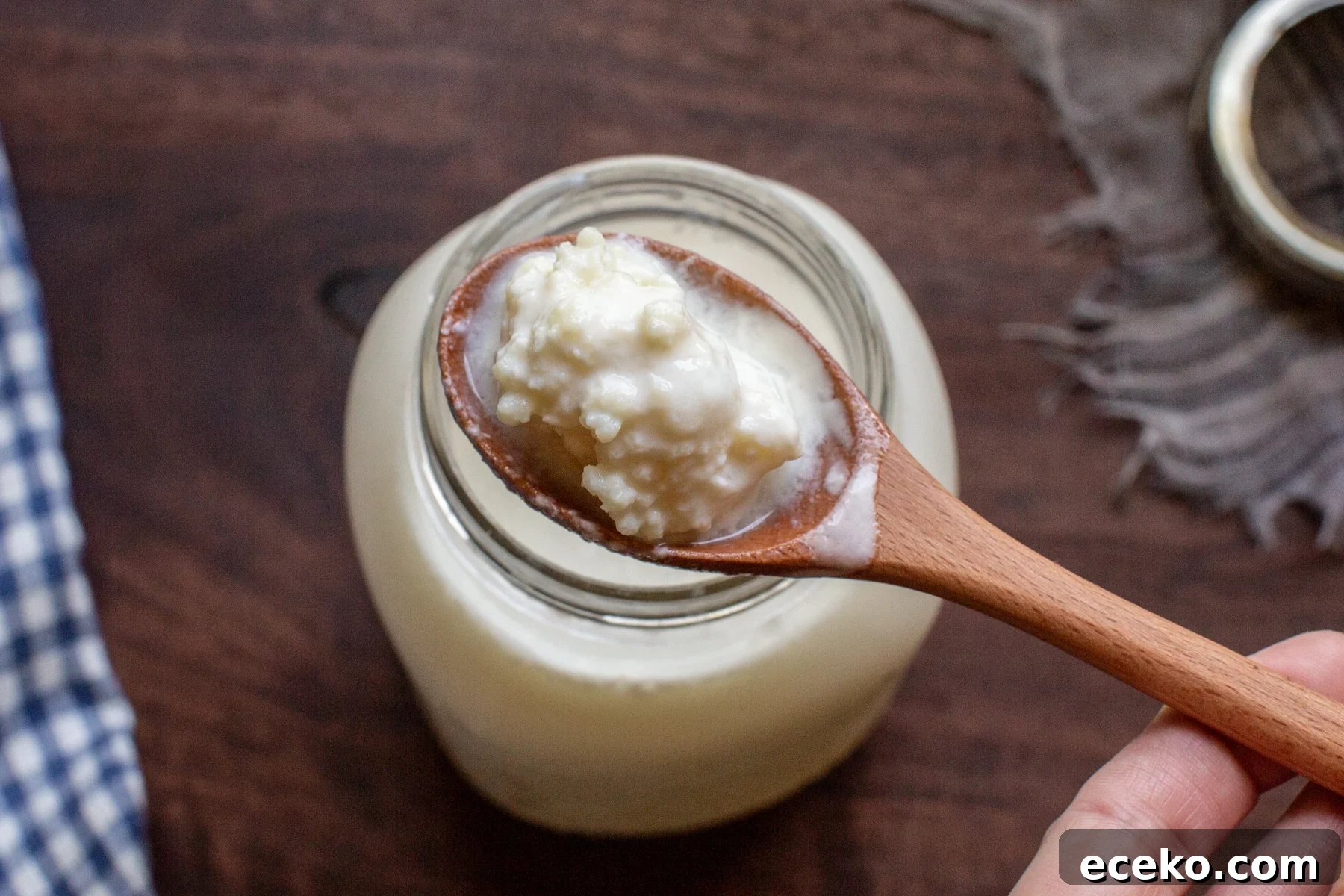
Kefir grains are small clusters of live dairy cultures rich in beneficial microbes. They look like tiny curds and quickly colonize fresh milk. Think of them as a starter culture — like a sourdough starter for bread — that ferments milk for beverages and some types of cheese.
Supplies You Will Need:
Homemade kefir allows you to control the ingredients and the type of milk. The basics are simple:
- Kefir grains — Aim for about 1–2 tablespoons of active grains per quart. One tablespoon will eventually thicken but can take up to 24 hours; two tablespoons will usually thicken in roughly 12 hours in a warm spot.
- Quart-size glass jars — Regular mouth or wide-mouth jars both work; wide-mouth jars make removing thick kefir easier.
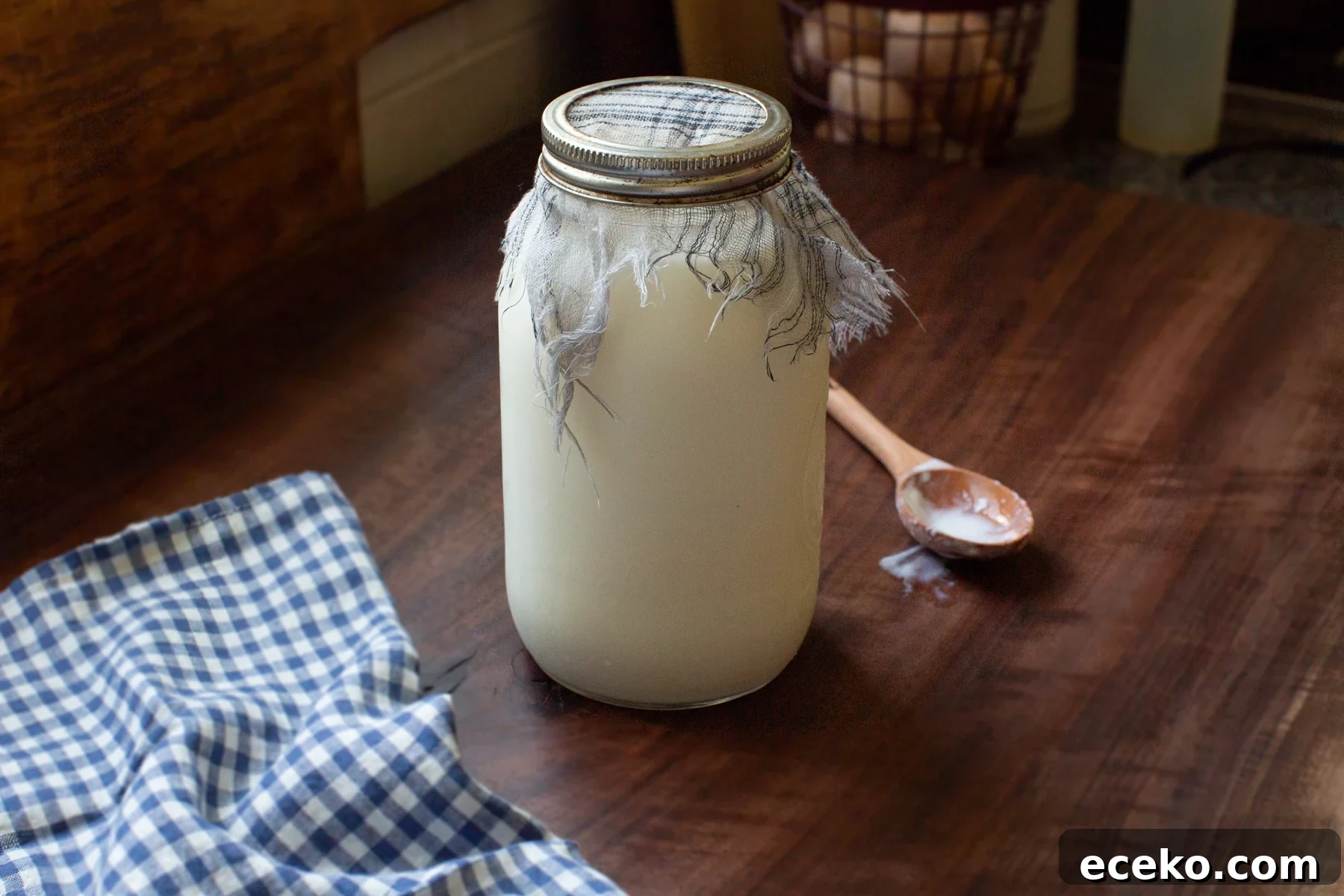
- Cover — A mason jar ring or rubber band with a square of cheesecloth or a coffee filter lets the milk breathe while keeping insects and dust out.
- Stainless-steel mesh strainer — Use a strainer with larger holes or a plastic colander to separate the grains from finished kefir. Strain into a bowl with a spout for easy transfer to storage jars.
- Milk — Raw milk offers more native bacteria and cream for a richer kefir and helps grains multiply faster. Pasteurized whole or 2% milk also works. Do not use ultra-pasteurized milk. If using dehydrated grains, rehydration is necessary to revive them.
Making kefir is easy to maintain: strain the grains from a finished batch, add them to fresh milk for the next batch, and store finished kefir in the fridge. It becomes a simple, reliable routine.
Rehydrating Dehydrated Kefir Grains
If you receive dehydrated kefir grains, rehydrate them before relying on them for consistent batches. The first few batches with newly rehydrated grains may not be perfect as the culture adjusts to your environment and milk. Be patient — grains often need time and several feedings to become fully active.
As a general method, add about 1 cup of cold milk to the dehydrated grains every 24 hours, discarding the milk each day until the milk thickens and the grains become active. Rehydration can require several feedings and up to a couple of gallons of milk; alternatively, start with active grains if you prefer quicker results.
How To Make Kefir
- Choose a jar size and adjust grains accordingly. For a quart jar, add 1–2 tablespoons of active kefir grains and fill the jar with cold milk, leaving a little headspace.
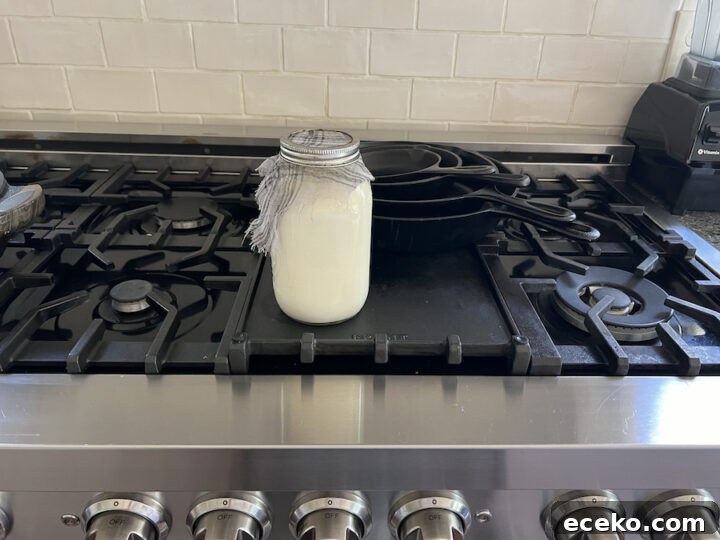
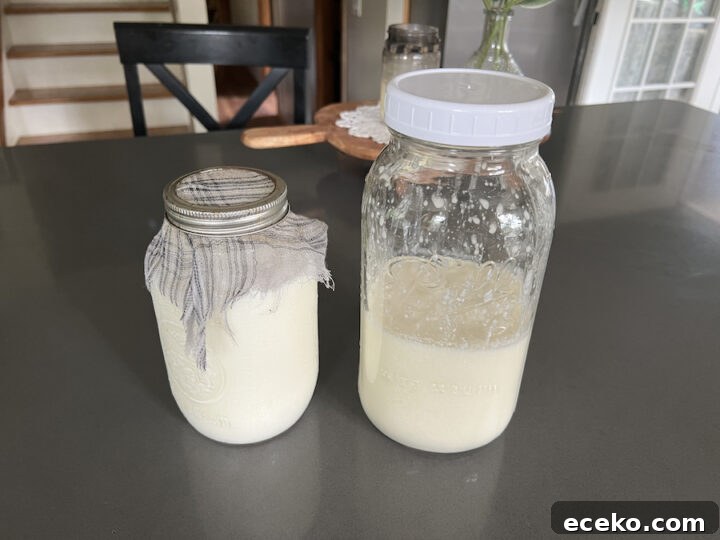
- Cover the jar with a cheesecloth or coffee filter and secure it with a rubber band or ring so the milk can breathe while fermenting.
- Let the jar sit at room temperature (ideally 68–78°F) for about 24 hours. Depending on temperature and grain amount, fermentation can take 24–36 hours; do not let it go beyond 48 hours in warm conditions to avoid excessive sourness.
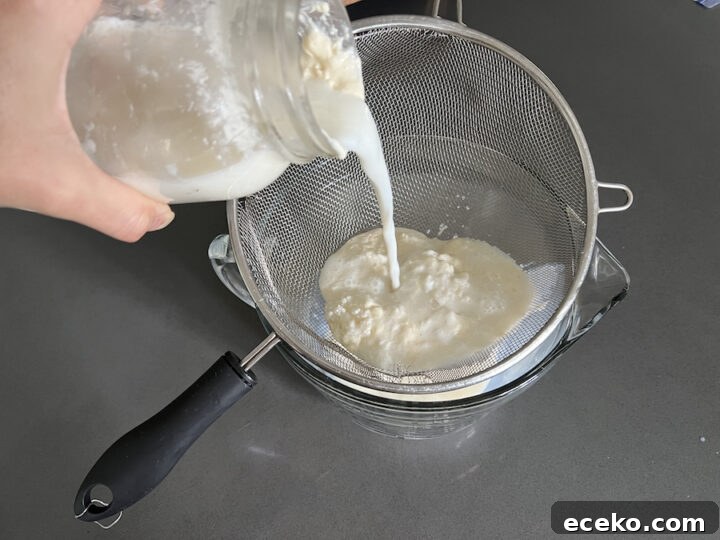
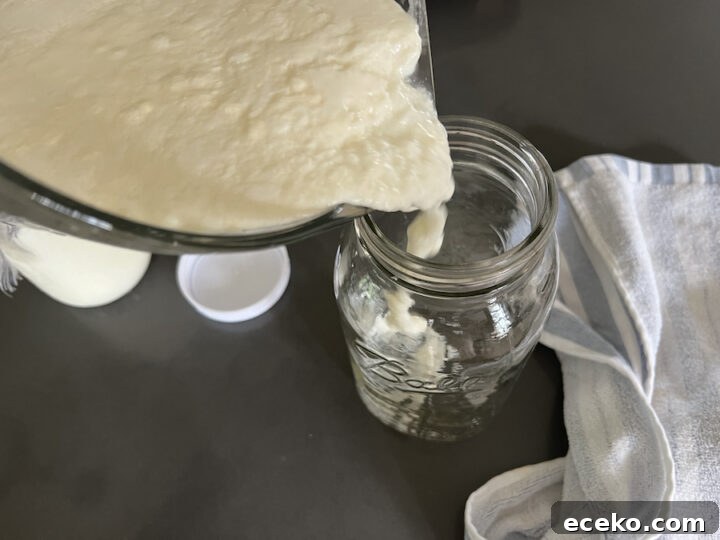
- When the milk thickens, strain it through a mesh strainer into a bowl, catching the grains. Gently move the strainer or stir with a spoon to help the kefir pass through; the grains will remain in the strainer.
- Transfer the strained kefir to a lidded jar and refrigerate. Use it in recipes or drink it straight. The grains are ready to be added to a new batch of milk for the next fermentation.
- To pause kefir-making, cover the grains with fresh milk and store the jar in the refrigerator until you’re ready to resume.
How Long Can Kefir Grains Go Unfed?
Kefir grains are resilient. If you need a break, keep them submerged in milk in the refrigerator for up to one month. For longer storage, freezing is an option (see FAQ). If the grains have been refrigerated a week or more, discard the milk they were stored in and start a fresh batch when you resume.
How to Tell When Kefir is Done
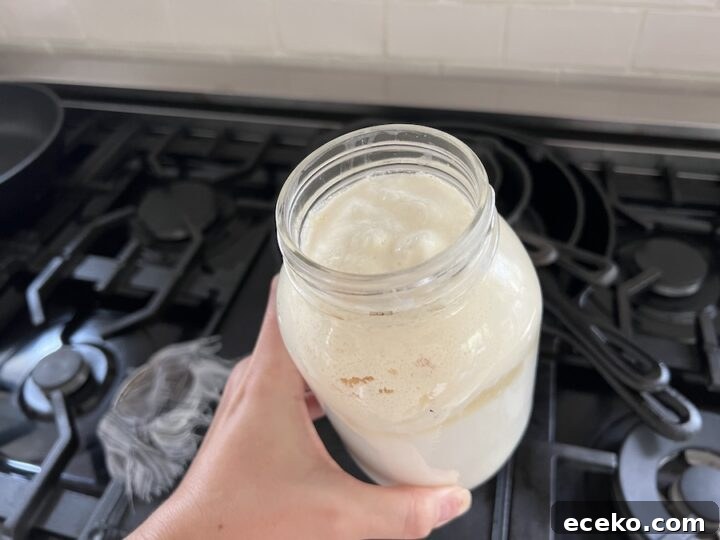
Finished kefir often shows cream rising to the top (especially with raw milk) and a texture similar to junket or yogurt. You may see a layer of whey separating from the curd. Tilt the jar to check that the kefir has thickened into a yogurt-like consistency — that’s your cue to strain and refrigerate.
Ways to Use Kefir
I usually build up a few batches, refrigerate the finished kefir, and pull what I need for recipes. Popular uses include:
- Smoothies — Blend kefir with strawberries, blueberries, bananas or other fruit and a touch of sweetener if desired.
- Pancakes — Use kefir in batter for Ukrainian-style mlinchiki or other pancakes as a tangy, tenderizing substitute for buttermilk.
- Drinks — Add vanilla and a low-calorie sweetener for a refreshing beverage.
- Popsicles — Blend kefir with fruit and sweetener, then freeze in molds for a probiotic treat.
- Buttermilk substitute — Use plain kefir in any recipe that calls for buttermilk.
Q&A
Can I Make Kefir without Grains?
Yes. You can start kefir using a direct-set culture or a small amount of store-bought kefir as a starter. Using direct-set cultures lets you produce a few batches by reserving a bit of each batch to reculture, but you may need to replace the culture over time. Milk kefir grains, in contrast, can last for years if cared for properly.
How Long Do I Ferment?
Fermentation time depends on the number of grains and the ambient temperature. At 68–78°F, expect 24–36 hours for a typical batch, up to 48 hours at most. Longer fermentation yields a thicker, more sour kefir.
How Much Kefir Grains Per Jar?
Grains multiply with regular feeding. For a quart jar, 1–2 tablespoons of grains is ideal. For a half-gallon, you may need 4–5 tablespoons to achieve timely thickening.
Can You Freeze Kefir Grains?
Yes. Kefir grains can be frozen in a small amount of milk for up to six months. After thawing, rinse with cold water and feed them 1 cup of fresh cold milk every 24 hours until the milk thickens again.
Is Kefir Good for You?
Kefir contains beneficial bacteria that support gut health. Fermentation converts much of the lactose into lactic acid, which can make kefir easier to digest for many people. The cultures help pre-digest the lactose and provide probiotic benefits.
Tips For Making Kefir At Home Using Milk Kefir Grains:
- Use a funnel to transfer kefir into jars if your bowl lacks a spout to reduce spills.
- Keep different ferments spaced apart so their bacteria don’t cross-contaminate.
- You can build up extra kefir: refrigerate strained kefir and use it later so you don’t ferment every day.
- Culturing near a warm appliance or oven can help fermentation proceed evenly.
- If your kefir thickens in 12–20 hours, you may have too many grains; reduce the amount for a gentler 24-hour ferment to maximize probiotic development.
- Although some recommend wooden, glass, or plastic tools for live cultures, brief contact with a stainless-steel strainer is generally fine.
More Fermented Foods To Make:
Milk and fermented foods are central to many traditional diets. If you enjoy making kefir, try other preserved and fermented recipes to extend freshness and flavor in your kitchen.
-
 Ukrainian Sauerkraut Recipe
 -
Marinated Cucumbers (Garlic Dill Cucumber Spears)
-
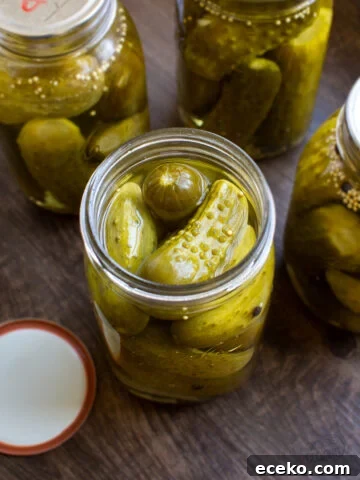
Canned Dill Pickles Recipe
-
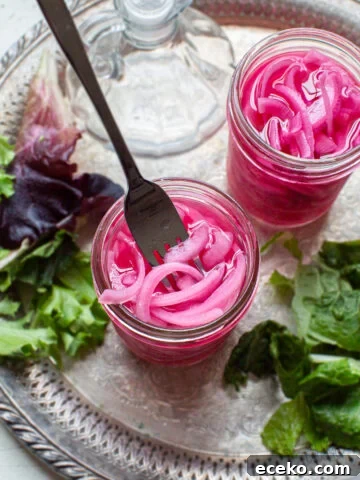
Pickled Red Onions
-
Ukrainian Pickled Mini Peppers
-
Pickled Cabbage
-
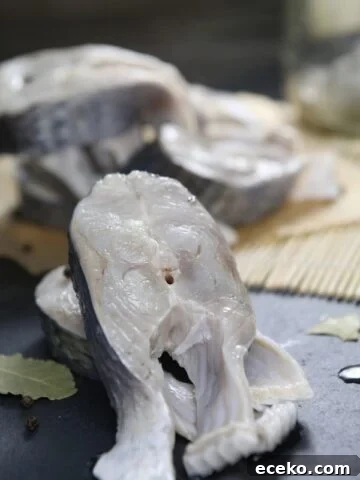
Selyodka Recipe (European Pickled Fish)
-
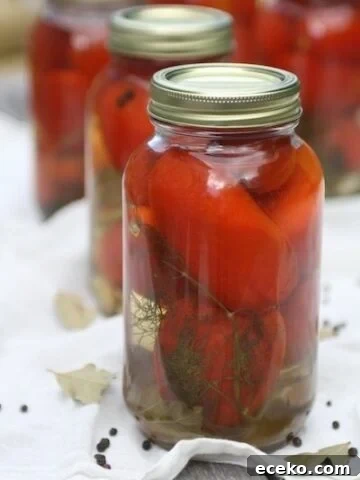
Ukrainian Pickled Tomatoes (Canned)




How To Make Kefir
Equipment
- 1 quart-sized jar
- 1 mesh strainer (with larger holes)
- 1 glass mixing bowl with a spout
- 1 coffee filter or cheesecloth with a band to secure
Ingredients:
- 2 Tbsp active milk kefir grains (see notes for dehydrated grains)
- 3 1/4 cups whole milk
Instructions
Directions:
- Put 2 tablespoons of active grains into a quart jar. Fill with cold fresh milk, leaving a small headspace. Cover with a coffee filter or cheesecloth and secure with a band.
- Ferment at room temperature (68–78°F) for about 24 hours or until thick; it may take up to 36 hours depending on conditions.
- Strain the kefir through a mesh strainer to separate the grains.
- Refrigerate the strained kefir in a lidded jar for up to one month.
- Start a new batch with the strained grains or cover them with milk and refrigerate until your next batch.
Notes
- If starting with dehydrated grains, rehydrate them following the package directions before using.
- When reviving grains from the fridge, discard the milk they sat in and start fresh.
- Kefir grains will multiply; share extras with friends or neighbors.
Nutrition (per serving)
Serving size: 1 cup — Calories: 119; Carbs: 9 g; Protein: 7 g; Fat: 6 g. See full nutrition label for details.