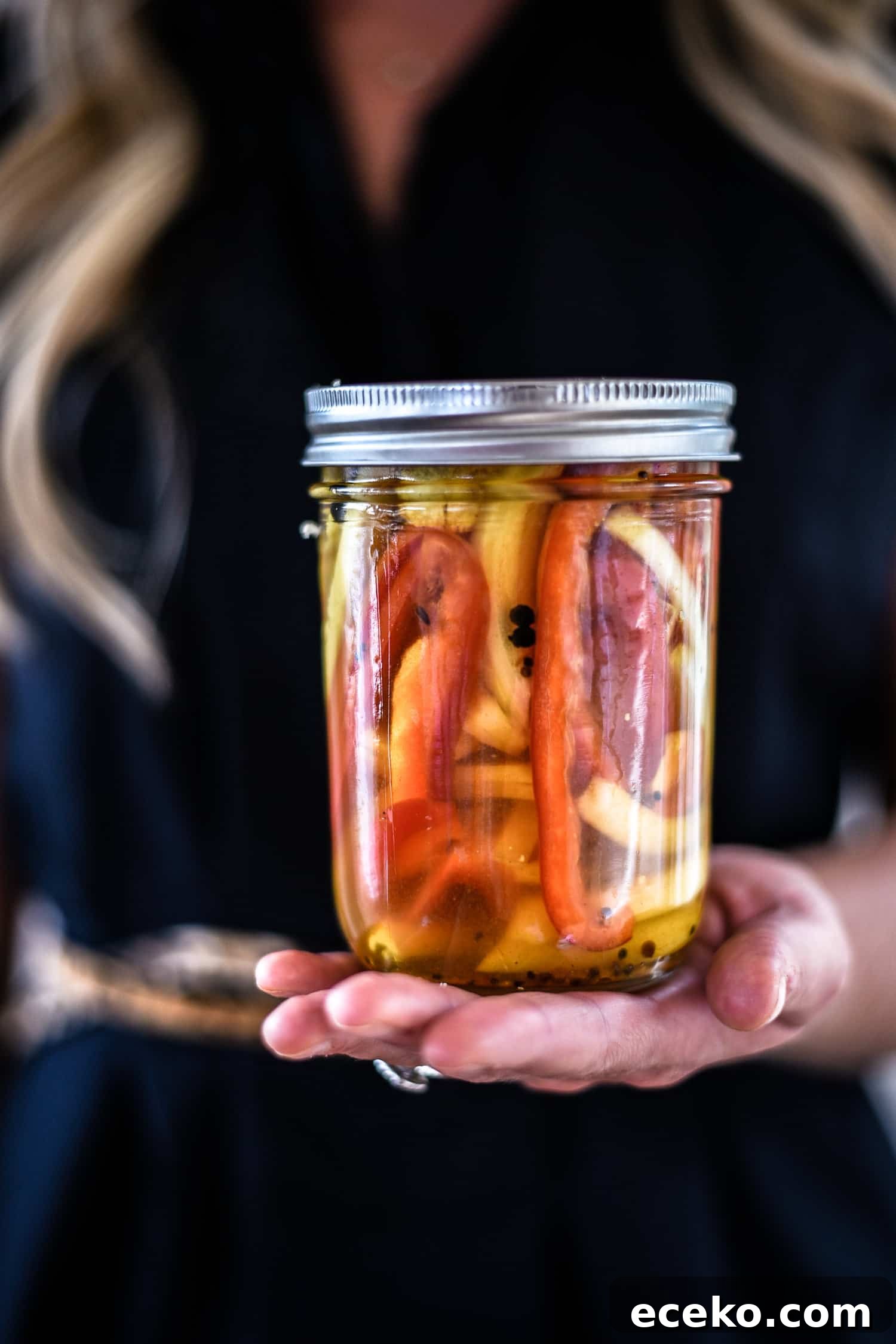
Learn how to make pickled vegetables the easy way. Refrigerator pickles are a simple, delicious method to preserve your summer garden bounty and add bright flavor to snacks, tacos, and cheese boards.
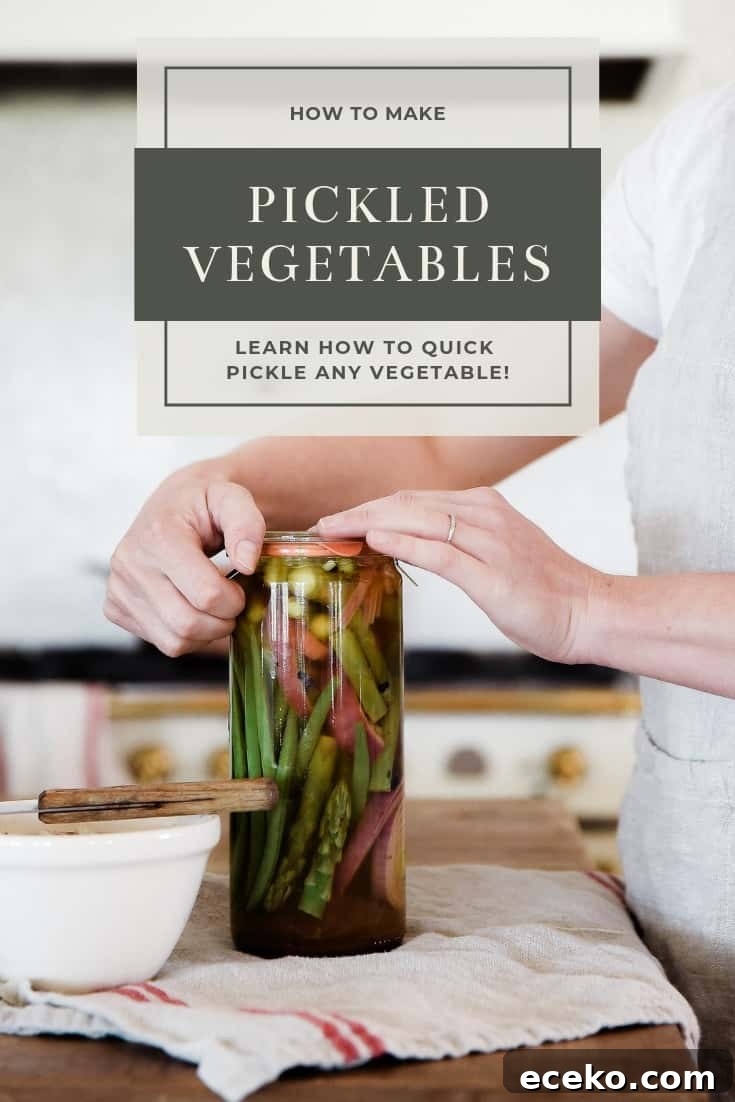
How to: Quick Pickle Vegetables
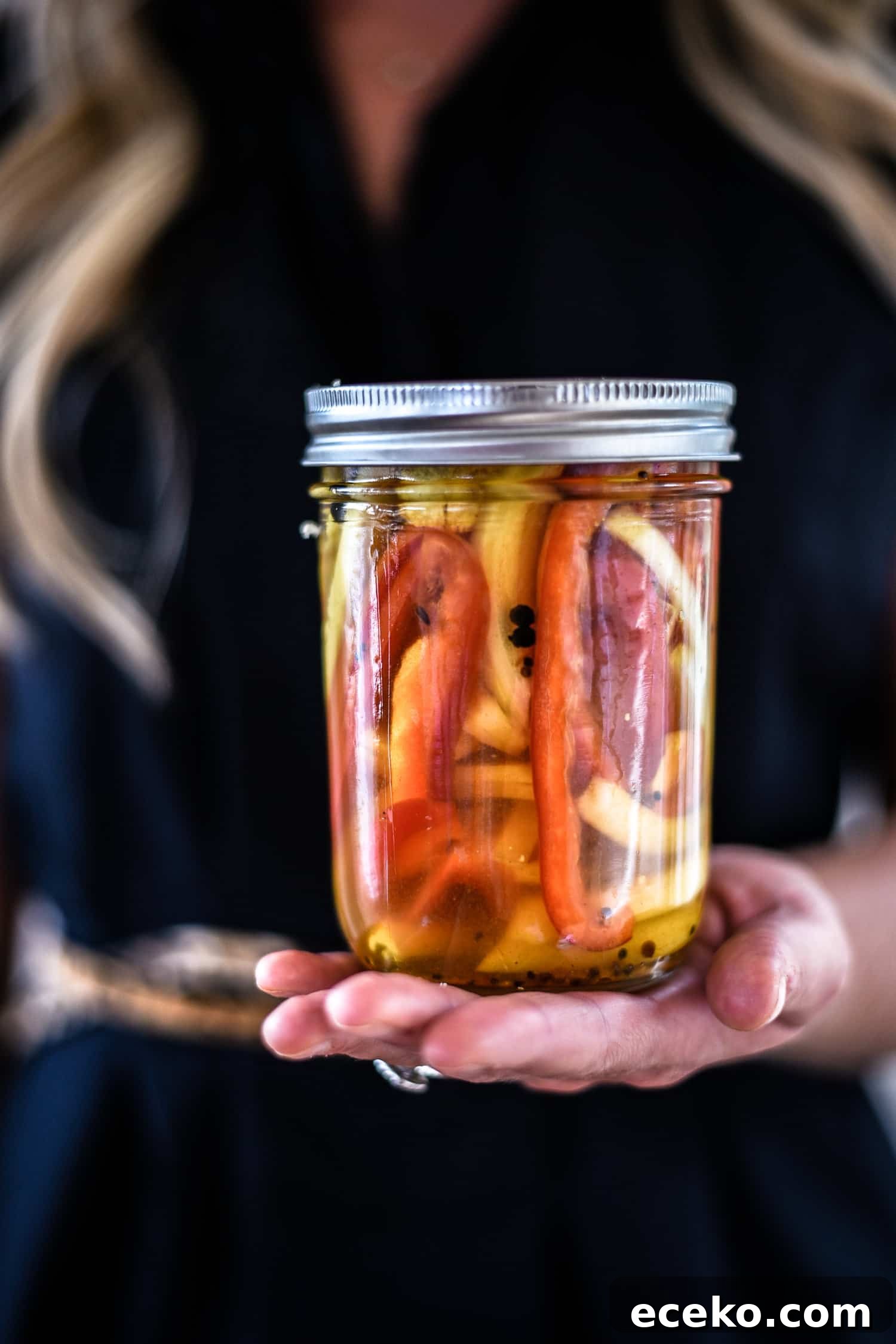
I recently attended a pickling workshop with Chef Lara Ritchie from Reno’s Nothing to It Cooking School. She demonstrated simple, reliable techniques for quick pickling — refrigerator pickles that require no long canning process but deliver bright, tangy flavor.
Preserving produce can feel intimidating because of safety concerns around traditional canning. Quick pickling removes that barrier: it’s fast, flexible, and perfect for small batches or those who want to experiment with flavor combinations.
Quick pickled vegetables are great served with cheese and crackers, layered on tacos, or used as a vibrant garnish. Pickled fruit is another lovely option; for example, pickled plums make a sweet-and-tart accompaniment to many dishes.
More Quick Pickling Recipes:
Pickled Plum Recipe
Sweet Pickled Radish Recipe
How to Make Quick Pickled Vegetables
Quick pickling, or refrigerator pickling, uses a vinegar-based brine—usually combined with water, salt, and optionally sugar—to flavor and preserve fresh vegetables. Herbs and spices let you customize each batch to complement the meal you’re serving.
The recipe below includes a suggested spice mix, but quick pickling is forgiving: adapt the spices to what you have on hand and the flavors you prefer.
Below are the key tips and techniques from the pickling class, organized so you can confidently make your own quick pickles at home.
Learn how to quick pickle with bright, balanced flavor.
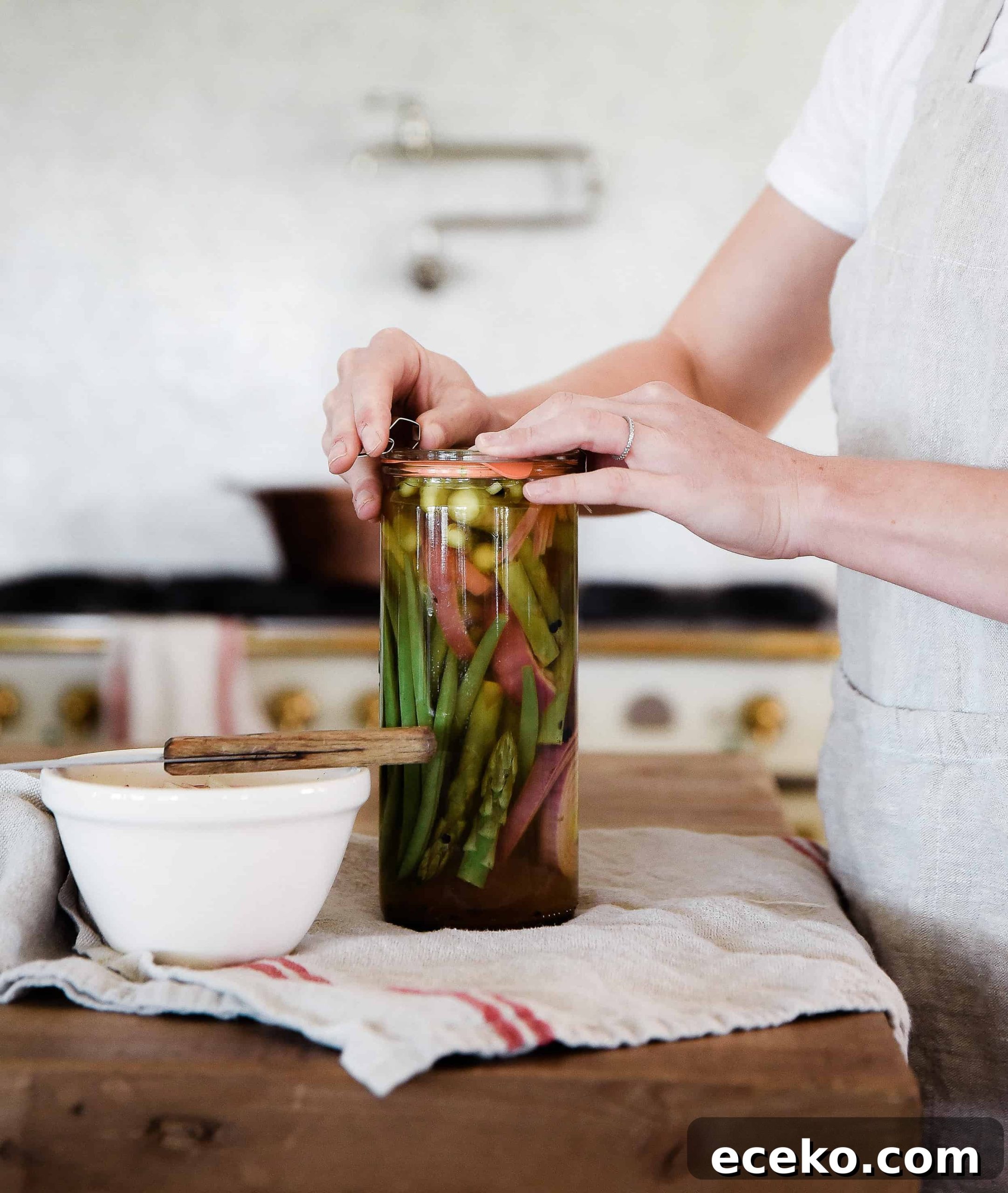
What is quick pickling?
Quick pickling means packing fresh vegetables into jars and covering them with a hot brine made of vinegar, water, salt, and sometimes sugar. Spices or aromatics are added for extra depth.
Unlike traditional shelf-stable canning, quick pickles are stored in the refrigerator and develop their best flavor in a few days. They’re an easy way to preserve seasonal produce for short-term enjoyment.
Quick pickles are ready to eat within 48 hours and generally keep well in the fridge for up to a month, though texture may soften over time.
What vegetables can be quick pickled?
Almost any vegetable can be quick pickled. Popular choices include cucumbers, peppers, cauliflower, onions, carrots, and asparagus. Even stems and cores can be pickled, though appearance and texture will vary.
Select the freshest, crispiest vegetables you can find—no bruises or browning. Fresh produce holds up better in brine and keeps a pleasant texture longer.
Wash vegetables thoroughly—rooted items like leeks, carrots, garlic, and onions can hide dirt in crevices. Cut pieces to a uniform size so they pickle evenly. Consider the intended use when choosing cut size: small for pasta or salads, larger for cheese boards or garnish.
Pick the most attractive parts for presentation if you plan to serve or gift the jars. Sterilize and dry jars before filling to preserve flavor and appearance.
Favorite pickling jars
Pickling Brine: Vinegar, Salt, Sugar, and Spices
Vinegar
Any clear vinegar—apple cider, white, rice, or similar—works for quick pickling. A common starting point is a 1:1 ratio of vinegar to water, but you can adjust acidity to taste and based on the vegetables you choose.
Spices and aromatics added to the brine boost complexity. Fresh, fragrant spices deliver the best results.
Salt
Use a clean, pure kosher salt rather than iodized table salt, which can add unwanted flavors. Salt acts as a preservative and enhances the natural sweetness of vegetables while contributing to balance in the brine.
“Salt is an amazing mineral from fresh or ancient sea beds: nearly all salt is sea salt. Don’t brag about sea salt because everyone cooks with sea salt, but we want it to be as pure as possible: don’t spend your whole paycheck, but get something that isn’t iodized!” -Chef Lara Ritchie
Sugar
Sugar is optional but useful to round flavors. Use just enough to add a touch of sweetness without making the brine syrupy.
Spices
Spices lose flavor over time, so use fresh spices whenever possible. Buy small quantities if you don’t use certain spices often, and store them away from heat and light to preserve oils and aroma. A quick sniff is a good test—if the spice lacks a strong scent, it likely won’t contribute much flavor.
The Recipe

How to Make Quick Pickled Vegetables
Ingredients
- Spices:
- 1 tsp coriander seeds
- 1 tsp black or brown mustard seeds
- 1/2 tsp cumin seeds
- 1 tsp. black peppercorns
- 1/2 tsp. ground turmeric
- 1/4 tsp. crushed red pepper flakes
- The Brine:
- 2 cups cider vinegar
- 1/2 cup sugar
- 2 Tbs. kosher salt
- The vegetables:
- 5 medium garlic cloves lightly crushed and peeled
- 3 slices fresh ginger about 1/4″ thick
- 1/2 of one small yellow onion thinly sliced lengthwise
- 1/2 of a head of cauliflower peeled and sliced 1/2″ thick on the diagonal (about 2 cups)
- 1/2 of one red bell pepper cut into large dice (about 1 cup)
Instructions
-
PREPARE THE BRINE: Put the coriander, mustard, and cumin seeds in a small saucepan. Toast the spices over medium heat, swirling the pan occasionally, until fragrant and slightly darkened, about two minutes.
-
Add the vinegar, garlic, ginger, onion, sugar, salt, peppercorns, turmeric, red pepper flakes, and 1 cup of water to the toasted spices. Bring to a boil.
PREPARE THE PICKLES:
-
While the brine heats, cut the vegetables to uniform sizes. Sterilize jars and dry them thoroughly.
-
Pack the vegetables into the sterilized jars, leaving about 1/4″ headspace. Arrange them attractively if desired.
-
Pour the hot brine over the vegetables so they are fully submerged. Let jars cool to room temperature, then cover and refrigerate. Pickles develop flavor after about two days and will keep for up to a month; texture may soften after two weeks.