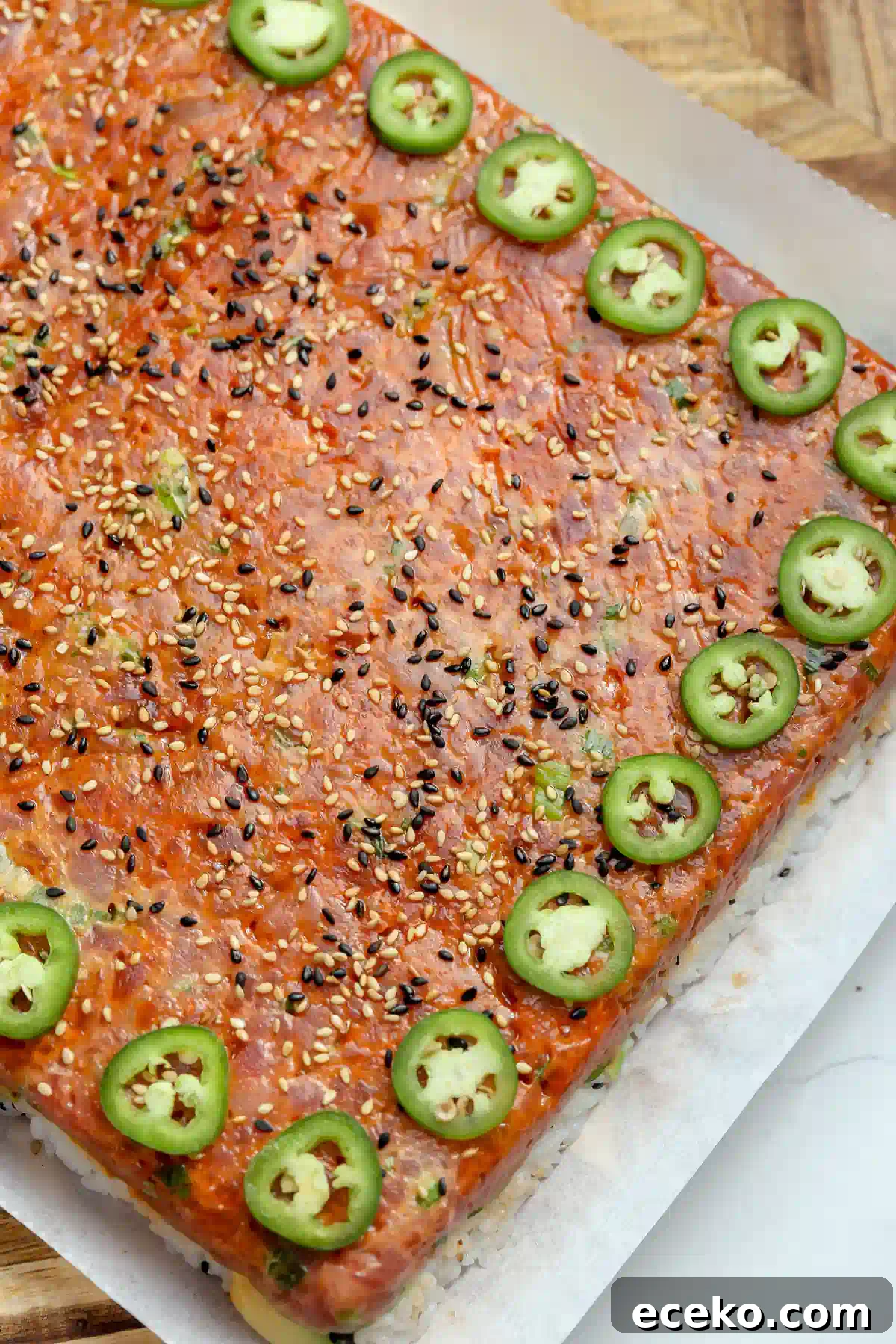
Spicy Tuna Pressed Sushi is a sheet-pan interpretation of oshizushi, the traditional Japanese pressed sushi. Layers of gochujang-spiced tuna, crisp Persian cucumber, and creamy avocado are placed beneath seasoned Calrose rice, pressed, inverted, and sliced into neat squares. This tray-style oshizushi serves a crowd and delivers all the texture and presentation of pressed sushi without rolling a single maki.
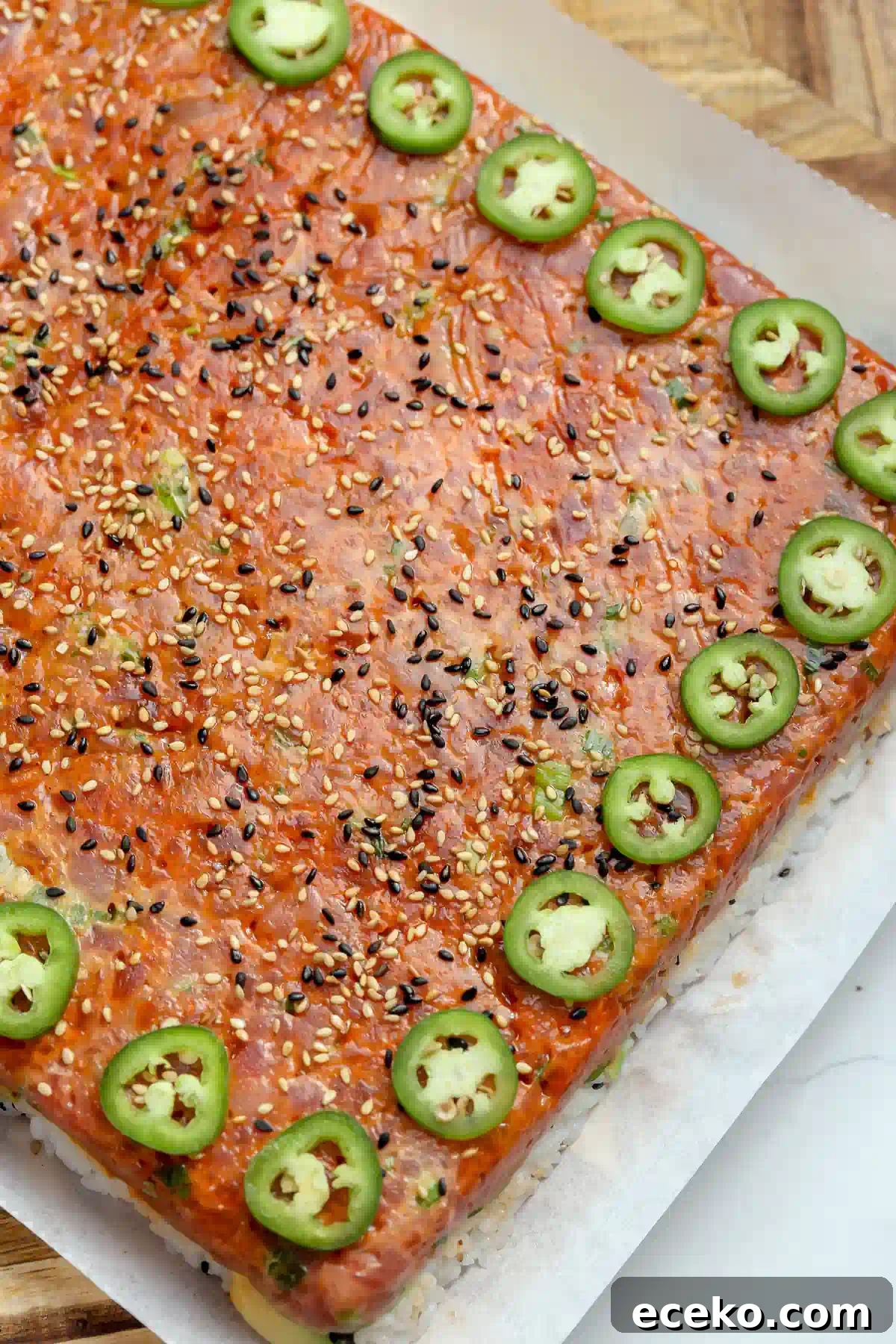
Table of Contents
- What is Oshizushi?
- About the Taste
- The Pressed Sushi Mold
- Prep the Ingredients
- Ingredient Swaps
- Chef Nadia’s Pressing Tips
- Storage & Raw Fish Safety
- What To Serve with Pressed Sushi
- Frequently Asked Questions
- Spicy Tuna Pressed Sushi Recipe (Oshizushi Style)
What is Oshizushi?
Oshizushi, or pressed sushi, originates from Osaka and is one of Japan’s oldest sushi techniques. Traditionally, chefs layered fish and vinegared rice inside a wooden box called an oshibako, pressed the ingredients into a compact block, and sliced it into elegant rectangles. Historically, cured or cooked fish—like mackerel—was used as a preservation method before refrigeration.
This recipe borrows the pressing technique rather than the traditional ingredients. Instead of cured mackerel in a wooden box, the method is adapted to a sheet pan and uses spicy raw tuna layered beneath seasoned rice. The result is the same satisfying pressed texture with a modern, bold flavor profile that works beautifully for gatherings.
About the Taste
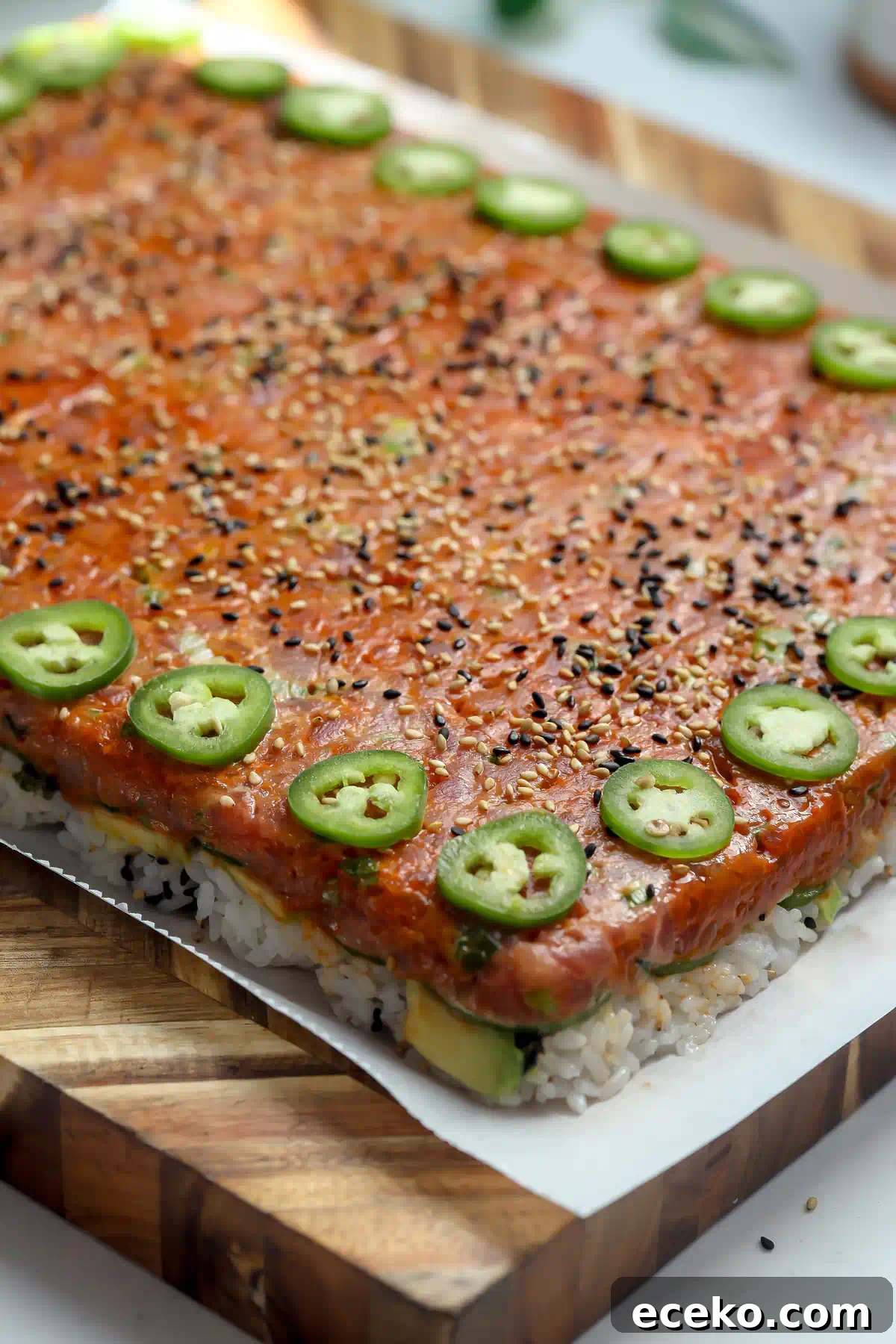
Gochujang gives the tuna a complex heat: spicy, slightly sweet, and fermented. Unlike straight hot sauces, gochujang adds depth while Japanese mayo provides silky richness and sesame oil adds aroma. Crisp cucumber, creamy avocado, and tangy seasoned rice balance the heat. Each square gets a bit of everything, finished with jalapeño or serrano slices and a sprinkling of black and toasted sesame seeds. A bright citrus-tamari dipping sauce complements the savory layers and lifts the entire dish.
The Pressed Sushi Mold
An oshibako is the classic wooden mold for pressed sushi and makes lovely individual pieces. If you own one, use it and reduce the quantities to match the mold size.
No mold is required for this recipe. A standard quarter sheet pan (9 x 13 inches) lined with plastic wrap creates a large, uniform block you can press and slice. The second sheet of plastic wrap on top protects the rice from sticking to your hands while pressing. Use another sheet pan or a flat-bottomed dish as a weight for even pressure.
Prep the Ingredients
Preparing components ahead speeds assembly. Here’s how far in advance you can make each element.
Seasoned Rice: Make this first, ideally several hours ahead. Rice must be fully cooled before pressing; warm rice will ruin the texture and risks food safety when placed next to raw fish.
Citrus Tamari Sauce: Whisk the sauce up to 24 hours ahead and refrigerate. The scallion flavor mellows as it sits and the sauce becomes more integrated.
Spicy Tuna Mixture: Chop the tuna and prepare aromatics ahead, but combine the tuna with the sauce no more than an hour before assembling for best texture.
Cucumber and Avocado: Slice cucumbers up to a day ahead and store them with a dry paper towel. Slice avocado at assembly to avoid browning.
Ingredient Swaps
- Tuna: Sushi-grade salmon or hamachi are excellent alternatives prepared the same way. Always use sushi-grade fish for raw preparations.
- Gochujang: If you don’t have gochujang, sriracha provides heat but lacks the fermented depth.
- Japanese Mayo: Mix regular mayonnaise with a splash of rice vinegar and a pinch of sugar to mimic Kewpie-style richness.
- Tamari: Regular soy sauce can be used in both the tuna and the sauce; it may be slightly saltier, so taste before adding more.
- Jalapeños: Serranos add more heat; remove seeds if you prefer less spice or use thin slices as a garnish.
Chef Nadia’s Pressing Tips
- Wet Knife, Clean Squares: Use a sharp, thin blade and wipe it with a damp cloth between cuts to prevent the rice from sticking and tearing.
- Press Evenly: Firm, consistent pressure ensures slices hold together rather than falling apart on the plate.
- Cool Rice is Essential: Do not press warm rice against raw fish. Cooling the rice yields cleaner layers and safer handling.
Storage & Raw Fish Safety
Sushi-Grade Tuna Only: For safe raw consumption, buy tuna labeled sushi-grade or ask your fishmonger for fish that has been commercially flash-frozen to eliminate parasites. Purchase from reputable suppliers or well-stocked seafood counters.
Room Temperature Limit: Do not allow raw tuna and cooked rice to sit out longer than two hours. If ambient temperature is above 90°F, the safe window is one hour.
Leftovers: This dish is best the day it is assembled. Refrigeration changes the texture of rice and avocado and shortens the safe window for mixed raw tuna. Prepare portions that match your serving needs.
Do Not Freeze: Freezing changes the texture of rice, avocado, and the tuna mixture; it’s not recommended.
What To Serve with Pressed Sushi
Pair this pressed sushi with light, crisp drinks and simple sides. A cucumber-forward cocktail or a vinegary cucumber salad complements the tuna’s richness. For more tuna appetizers, crispy rice with spicy tuna is a natural companion. Finish with a refreshing fruit-based dessert for contrast.
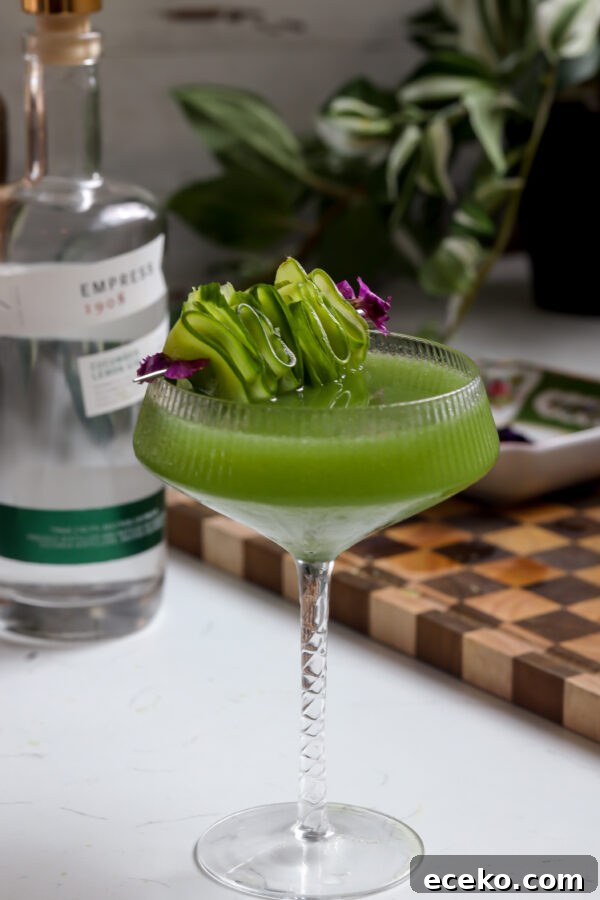
Cocktails
Cucumbertini
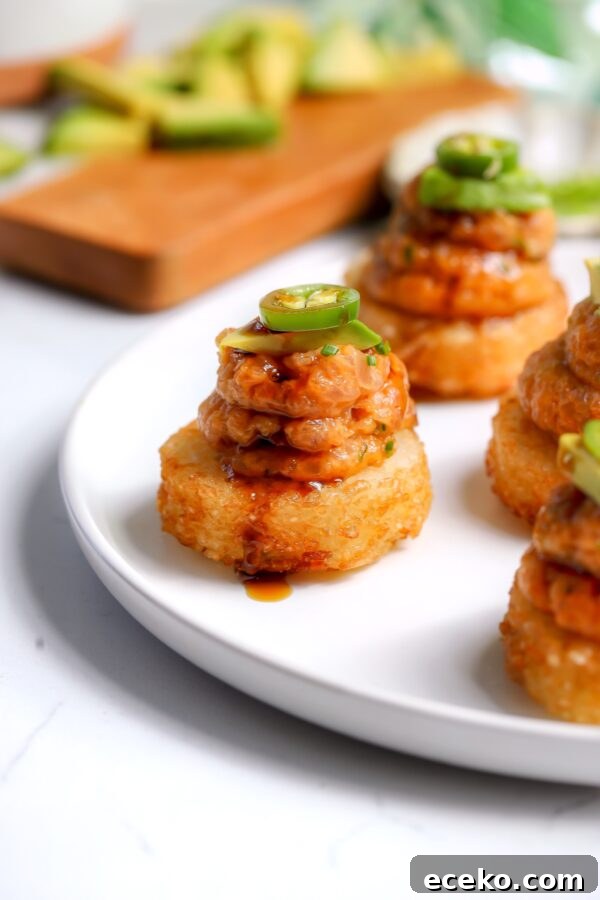
Appetizers
Crispy Rice with Spicy Tuna
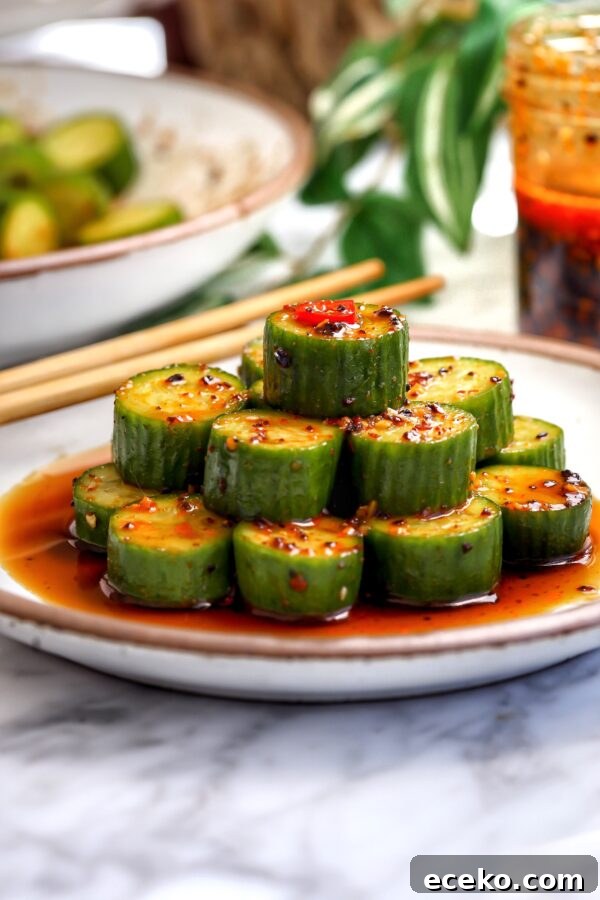
Sides
Din Tai Fung Cucumber Salad
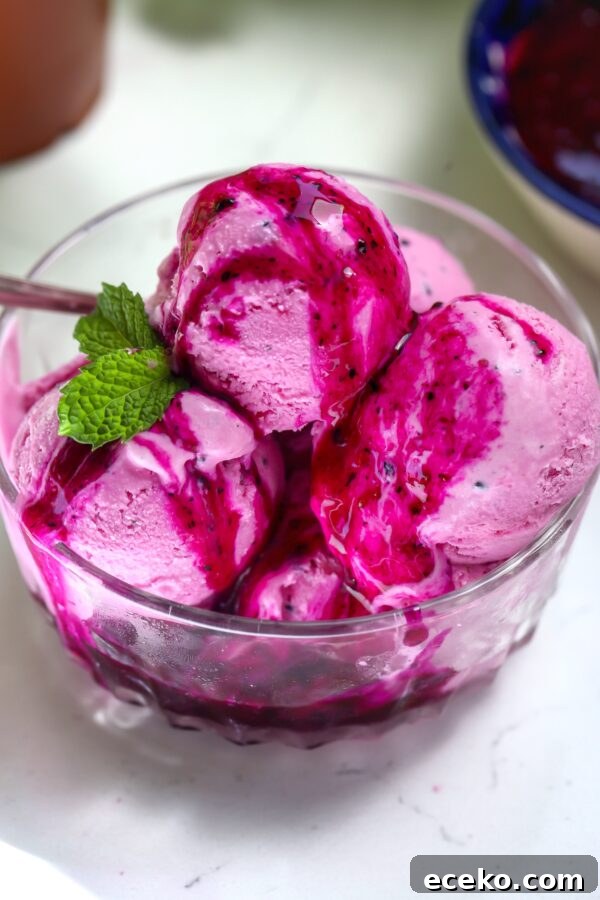
Desserts
Dragon Fruit Ice Cream
Want to save this recipe to your collection?
Frequently Asked Questions
No. A quarter sheet pan lined with plastic wrap works well and yields enough for a crowd. If you prefer individual portions and own an oshibako, scale ingredients down to the mold size.
Yes. Oshizushi literally means pressed sushi. Traditional oshizushi typically uses cured or cooked fish in a wooden box; this recipe updates the technique with a sheet-pan approach and spicy raw tuna.
Make the rice and sauce ahead and slice cucumbers in advance. Mix the tuna no more than an hour before assembly and serve the finished tray within one to two hours of pressing for best texture and safety.
Ask your seafood counter for tuna labeled sushi-grade or that has been commercially frozen to meet safety guidelines for raw consumption. Trusted, high-quality fishmongers typically stock this product.
Leftovers decline quickly: rice firms up, avocado browns, and mixed raw tuna has a limited safe window. Plan portions to serve and enjoy on the day you prepare it.
|
8 servings
Share Recipe
Equipment
- rice cooker (optional but recommended)
- quarter sheet pan, 9 x 13 inches
- cutting board
- sharp knife
- plastic wrap
- parchment paper
Ingredients
Rice
- 2 cups Calrose rice, washed well
- 2 1/2 cups water
- 1 strip kombu
- 1 pinch salt
- 3 tbsp rice vinegar
- 1 tbsp sugar
- 2 tbsp black sesame seeds, plus more for topping
- 2 tbsp toasted sesame seeds, plus more for topping
Spicy Tuna Mixture
- 1 lb sushi-grade tuna, finely chopped
- 2 tbsp Japanese mayo
- 2 tbsp gochujang
- 3 tbsp chives, chopped
- 1 1/2 tsp sesame oil
- 1 tsp mirin
- 1 1/2 tsp tamari
Pressed Sushi
- 2 Persian cucumbers, thinly sliced
- 2 large avocados, sliced
- Shichimi togarashi, to taste
- Roasted nori sheets, crumbled
- 2 large serranos, thinly sliced (or jalapeños)
Citrus Tamari Sauce
- 1/4 cup tamari
- 1 tbsp mirin
- 1 tbsp rice vinegar
- 1 lemon, juiced
- 1 scallion, chopped
Instructions
-
Rice: Cook the rice with water, kombu, and salt in a rice cooker or on the stove following package directions. Remove the kombu. Stir together rice vinegar and sugar, then fold into the hot rice. Let the rice cool completely, about 30 minutes. Fold in black and toasted sesame seeds.
-
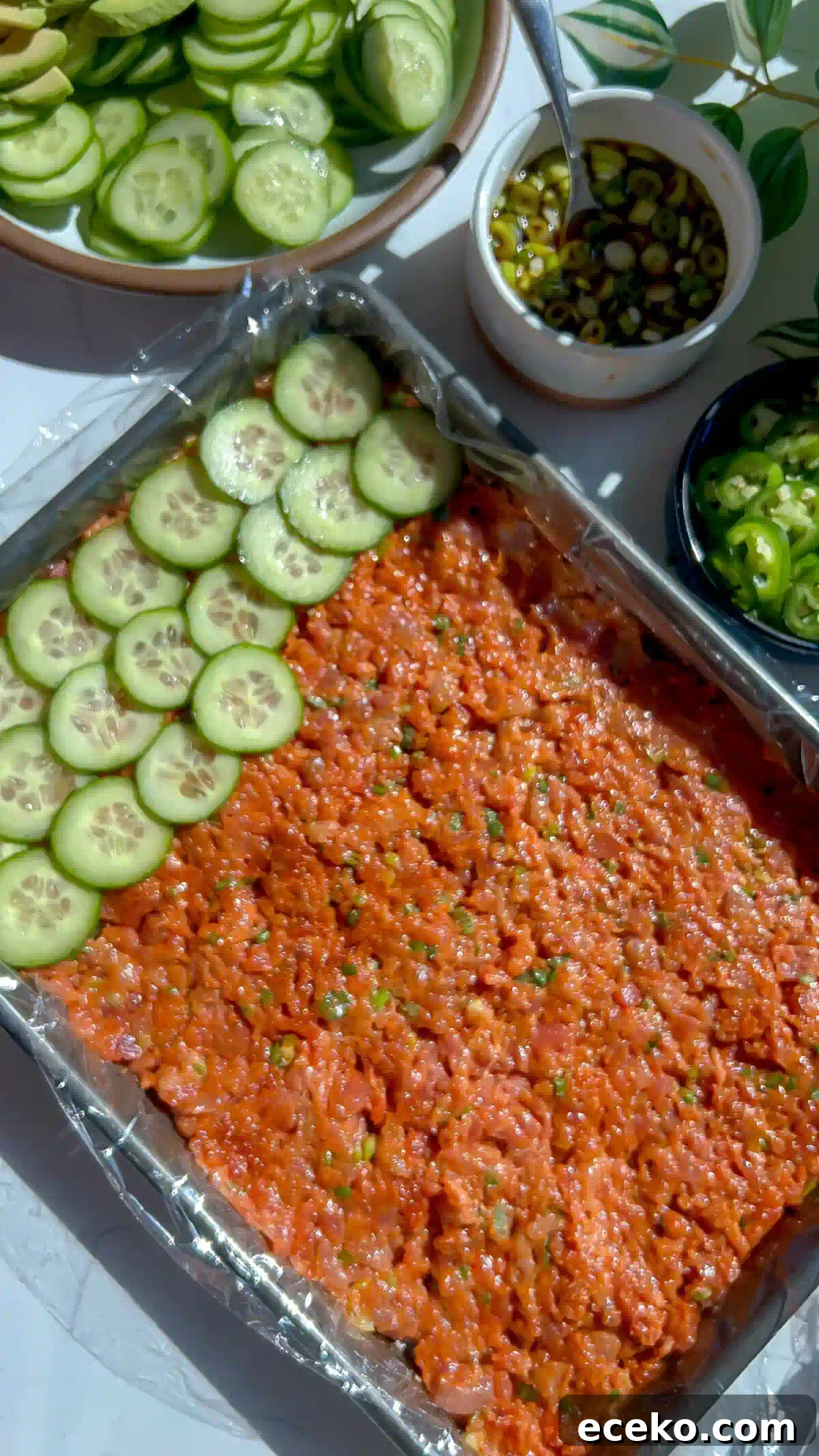
Spicy Tuna Mixture: In a bowl, combine the chopped tuna with Japanese mayo, gochujang, chives, sesame oil, mirin, and tamari. Mix until the tuna is evenly coated.
-
Citrus Tamari Sauce: Whisk tamari, mirin, rice vinegar, lemon juice, and chopped scallion together in a small bowl. Chill until ready to serve.
-
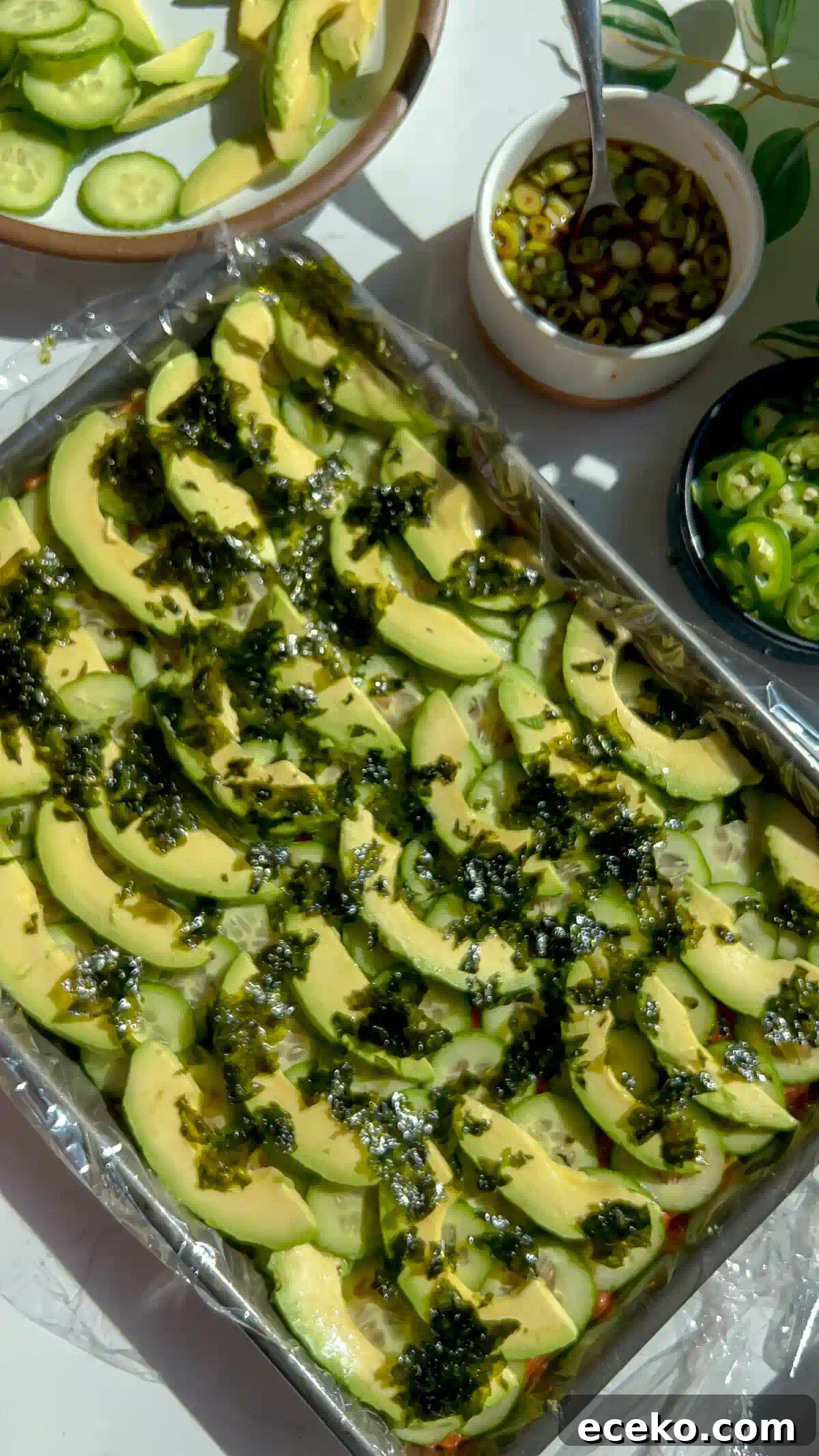
Assemble and Press: Line a quarter sheet pan with plastic wrap, leaving enough overhang on all sides for easy release. Spread the tuna mixture evenly over the bottom. Arrange cucumber slices over the tuna, then layer avocado slices. Crumble roasted nori over the avocado. Spread the cooled rice evenly on top. Cover with a second sheet of plastic wrap and press firmly and evenly over the entire surface. Place a second sheet pan or a flat, heavy object on top to apply additional weight. Refrigerate for 10 to 15 minutes to set.
-
Flip and Slice: Place parchment on a serving board. Remove the top plastic wrap, then invert the pan onto the board and lift the pan away. Peel off the remaining plastic wrap. Garnish with sliced serranos or jalapeños and extra sesame seeds. Using a sharp knife dipped in water and wiped clean between cuts, slice into even squares.
-
Serve: Present the squares on a platter with the citrus tamari sauce on the side for dipping or drizzling.
Nutrition
,
Carbohydrates: 48 g
,
Protein: 19 g
,
Fat: 16 g
Nutrition information is automatically calculated and should be used as an approximation.
Additional Info
Tried this recipe?
Share your results and tag the recipe to show how it turned out!