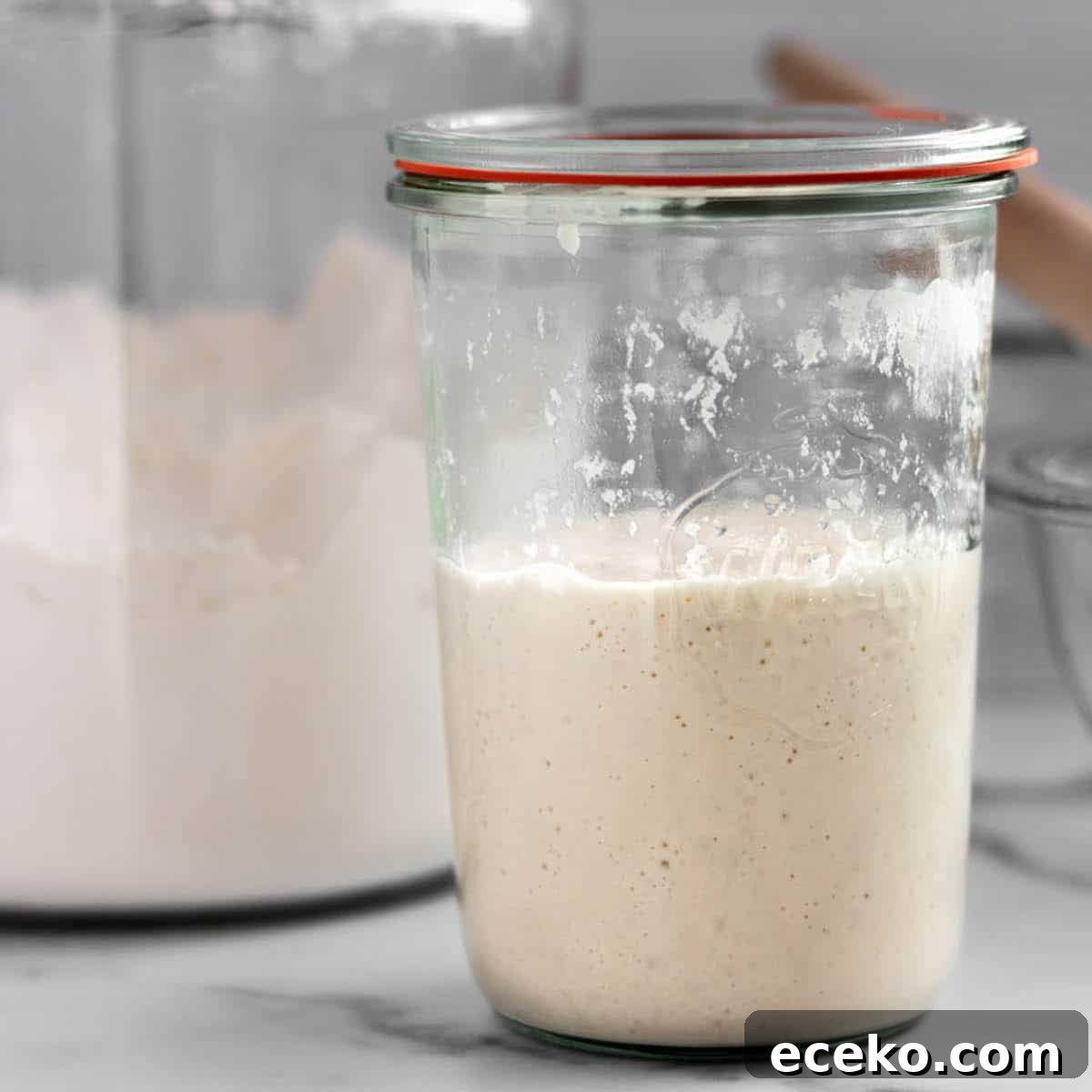
What is sourdough discard? How does it differ from an active sourdough starter, and how can you use it instead of throwing it away? If you keep a starter, you’ll inevitably end up with unfed starter—commonly called discard—and there are many delicious ways to use it.
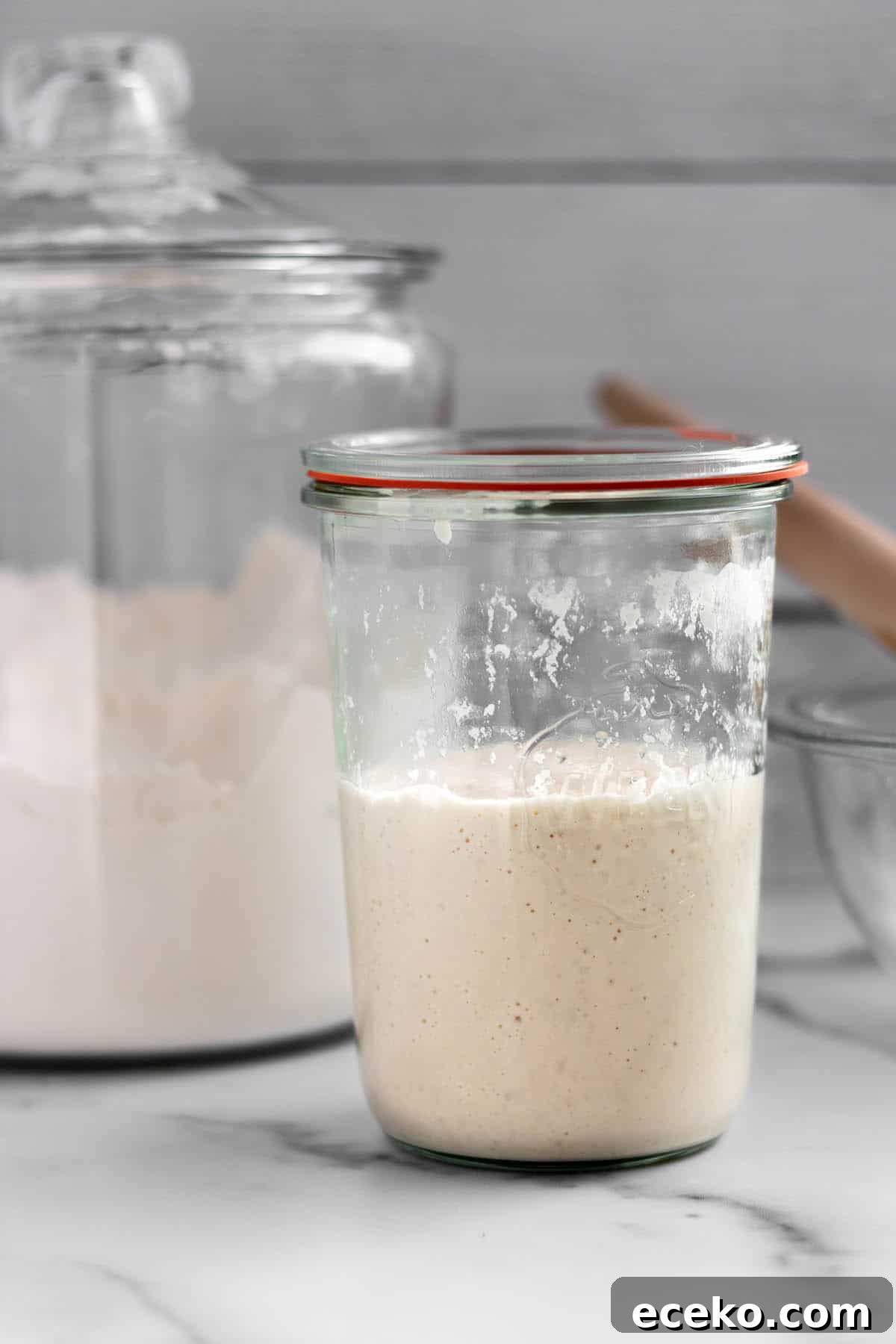
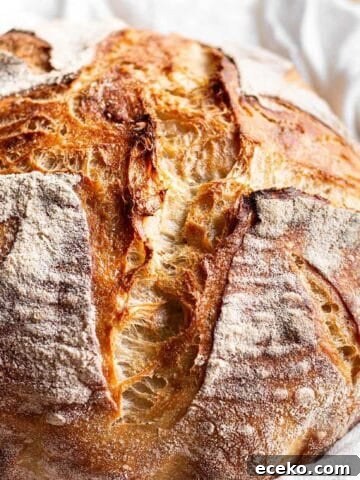
A good loaf of sourdough bread starts with a healthy starter. At home, sourdough bread is fresh, slightly tangy, and something most grocery-store loaves can’t match. But a starter isn’t only for making bread—both active starter and discard have many culinary uses.
Whether you’re new to sourdough or an experienced baker wondering what to do with leftover discard, this guide explains what discard is, how to store it safely, and simple ways to bake with it. If you’re looking for recipe ideas, you’ll find inspiration for pancakes, banana bread, crackers, naan, muffins and more.

Sourdough Starter 101
A sourdough starter is simply flour and water that have fermented and captured wild yeast and beneficial bacteria from the environment. Once established, this living mixture becomes a natural leavening agent you can use instead of commercial yeast or chemical leaveners.
In many baked goods you need a leavening agent—instant yeast, baking soda, baking powder, or sourdough starter—to give structure and rise. A mature starter traps wild yeast in a hydrated flour matrix; when mixed into dough or batter, it helps produce the characteristic flavor and texture of sourdough products.
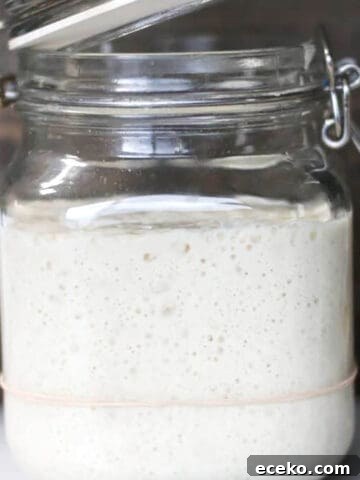
Starters require regular feedings to stay active. A well-fed starter typically doubles in volume within 6–8 hours and shows plenty of bubbles. Measuring ingredients by weight yields the most reliable results, so using a kitchen scale is recommended.
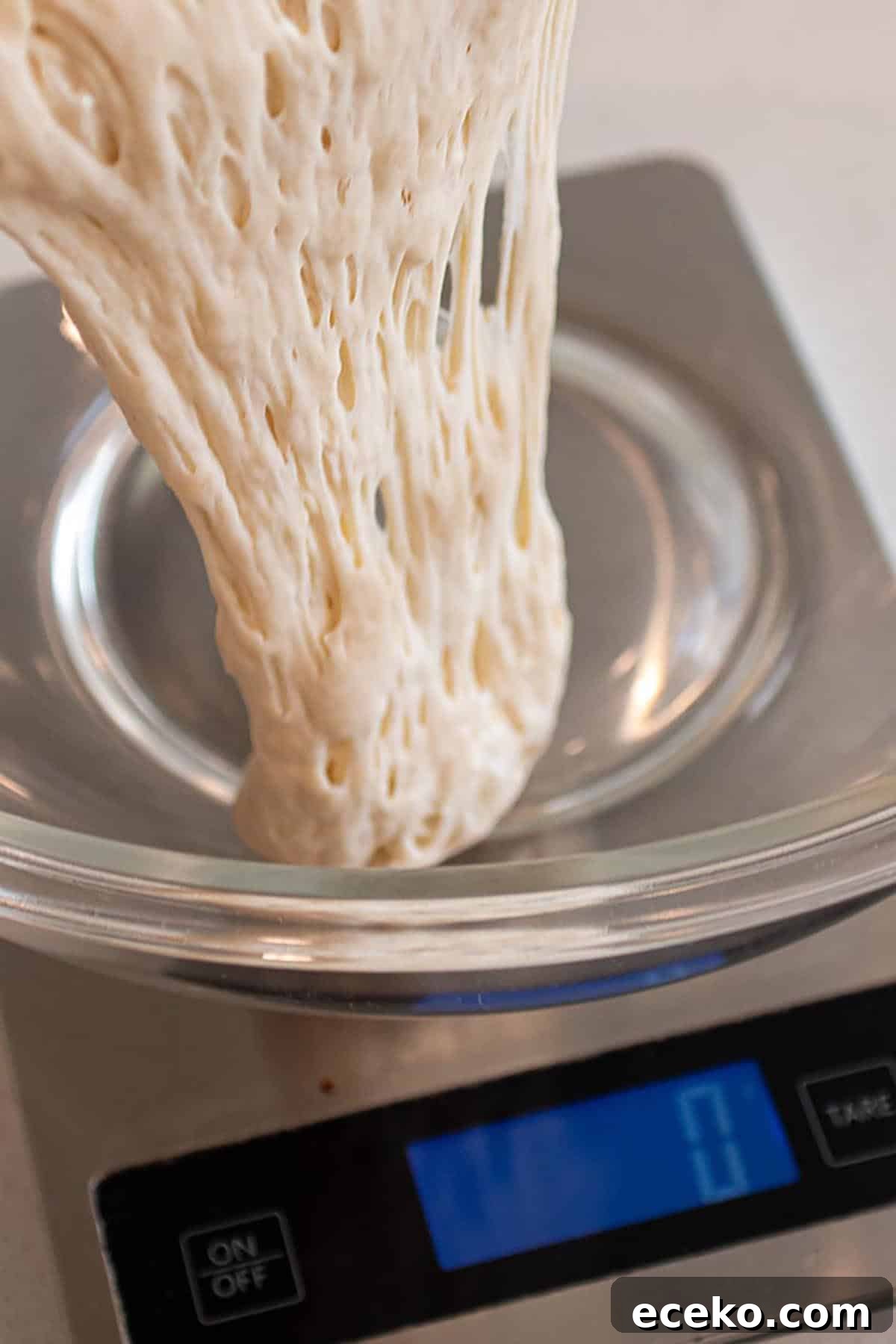
For example, if you have 100 g of starter, feed it with 100 g flour and 100 g water (a 1:1:1 ratio). Mix, cover, and let it rise. Another common approach is building a leaven: mix a small amount of starter with equal parts flour and water to create only what you need for a recipe. This reduces waste and ensures you feed only the portion that will be used.
Starters can be stored in the refrigerator if you’re not feeding them daily; an airtight container keeps them stable for a few weeks. However, if a starter develops an off color (pink, orange, grey) or a foul smell, discard it and start fresh—those are signs of contamination.
How to Feed a Sourdough Starter
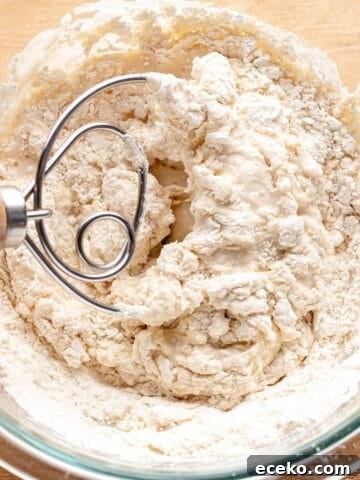
Feeding is straightforward: weigh your starter, then add equal weights of fresh flour and water. Mix thoroughly, cover, and let it sit until active again. Using a consistent feeding schedule keeps the starter healthy and predictable for baking.
What Is Sourdough Discard?
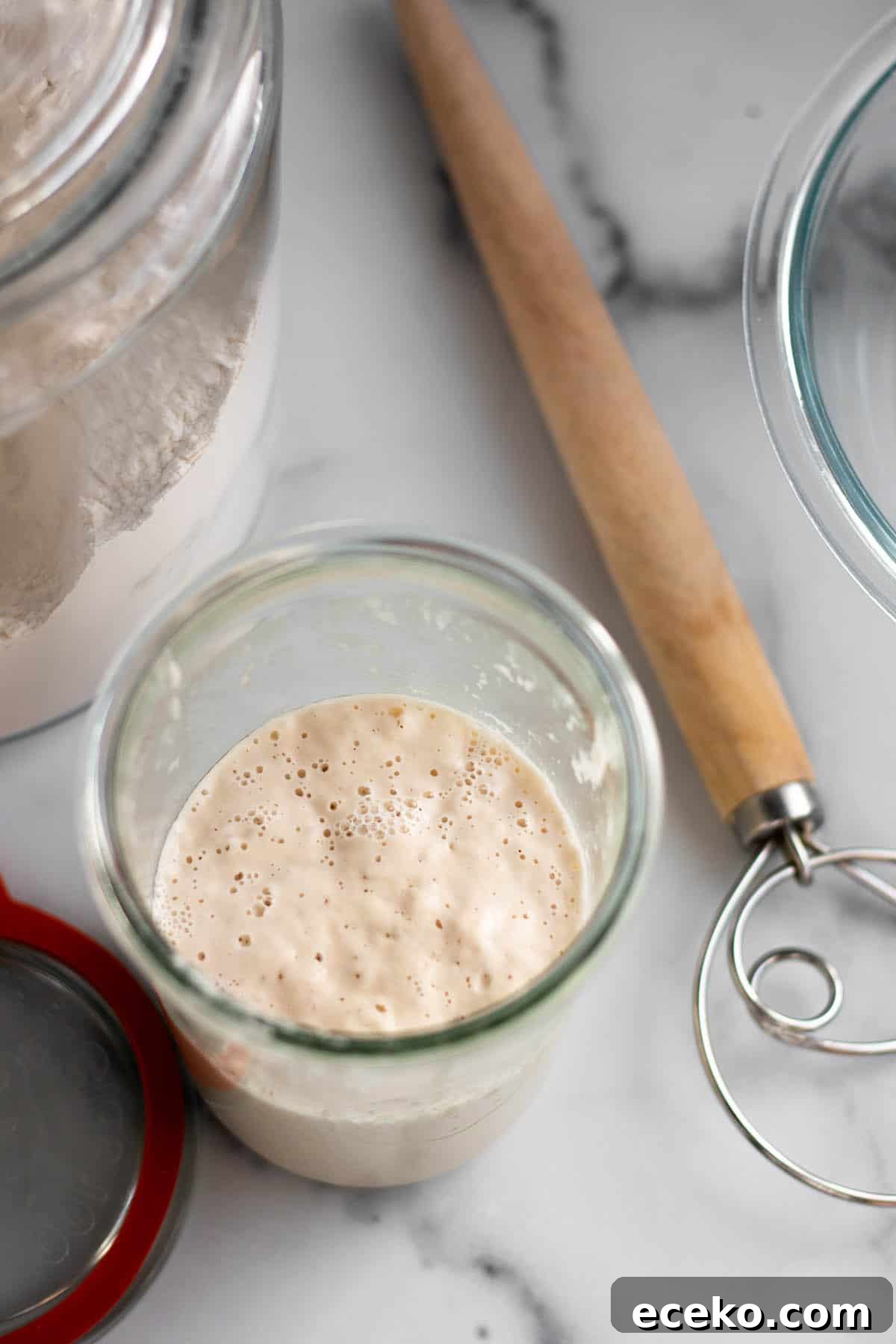
Sourdough discard refers to the portion of starter that has gone unfed and become less active. After a starter peaks and falls, it no longer has the rising power needed for bread. That unfed portion is what many call discard.
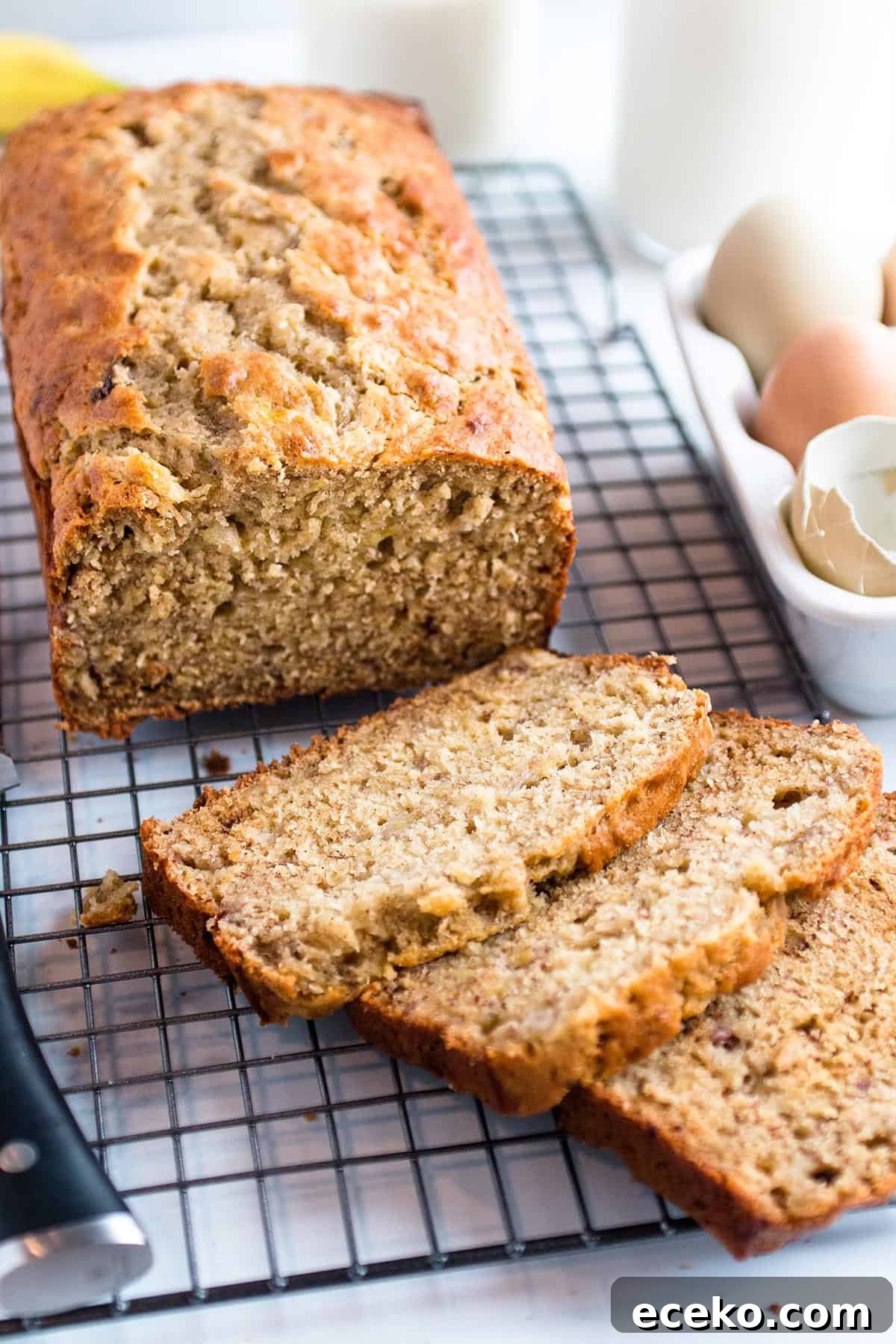
Although it won’t leaven a loaf by itself, discard still contains flavor and fermentation byproducts that can enhance a wide variety of baked goods. When combined with baking powder or baking soda, discard works well in quick breads, pancakes, muffins, cinnamon rolls, banana bread, crackers, naan and more.

An active starter is bubbly, airy, and visibly alive. Discard looks flatter and less vigorous—sometimes with a thin layer of liquid on top called hooch, which is normal. With experience you’ll learn to recognize when your starter is active and when it’s time to feed.
How to Store Sourdough Discard
Discard is best used fresh, but you can store it short-term if you’re not ready to bake immediately. Keep it airtight in the refrigerator for up to one to two weeks; it may become more acidic over time, developing a stronger tang and sometimes hooch (a dark liquid on top). Stir or pour off hooch before using.
Some bakers store discard in a dedicated jar in the fridge and add to it over time. When you’re ready to use a portion, bring it to room temperature before mixing into a recipe. Discard can also be frozen in a freezer-safe container and thawed in the refrigerator when needed.
Important safety note: if your starter or discard develops pink, orange, or grey hues, or a truly foul odor, discard it immediately and sanitize containers. Those are signs of spoilage or contamination and should not be used.
How to Bake with Sourdough Discard
Don’t toss leftover starter—use it. Because discard won’t reliably leaven bread on its own, most recipes pair it with baking soda or powder to produce tender, fluffy baked goods. Pancakes, muffins, quick breads, cookies, and breakfast bites all benefit from the flavor discard provides.
Some items, like crackers and naan, don’t require additional chemical leaveners; discard alone can provide enough lift and the characteristic sourdough flavor. Naan made with discard is especially flavorful and worth trying if you enjoy tangy flatbreads.
How to Reduce Sourdough Waste
Minimizing discard starts with maintaining a smaller starter. Since common feeding ratios (1:1:1) increase the total volume quickly, keeping only a small amount—30 g or so—reduces the flour and water needed for each feeding. That means less leftover discard overall.
When you plan to bake, scale the starter up by feeding larger amounts to create the leaven or quantity you need. And remember: discard isn’t waste—save it for recipes that benefit from its flavor.
Sourdough Starter Discard Recipes
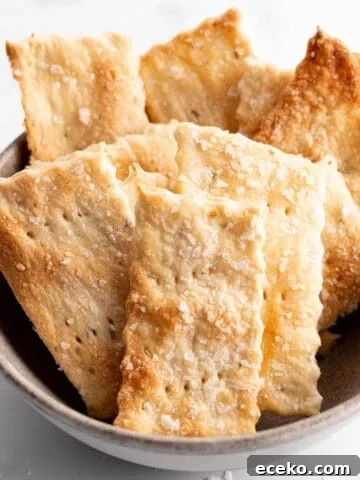
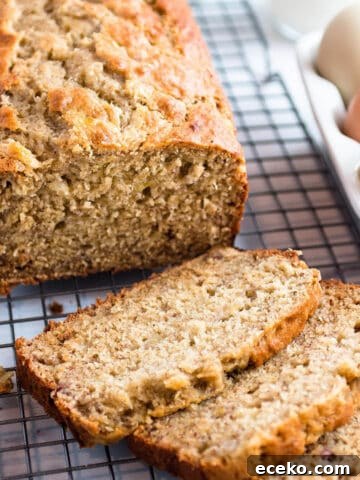
There are countless ways to use discard. Sourdough pancakes are an easy daily use, while recipes like banana bread, crackers, naan, muffins and breakfast bites let you put discard to delicious use. Try a few favorites and you’ll rarely need to throw any away.
 Sourdough starter discard crackers
-
Sourdough discard banana bread
-
Sourdough discard naan
-
Sourdough lemon poppy seed muffins
-
Sourdough starter breakfast bites
-
Sourdough discard pancakes




Other sourdough resources
-
The best Dutch oven for baking bread
-
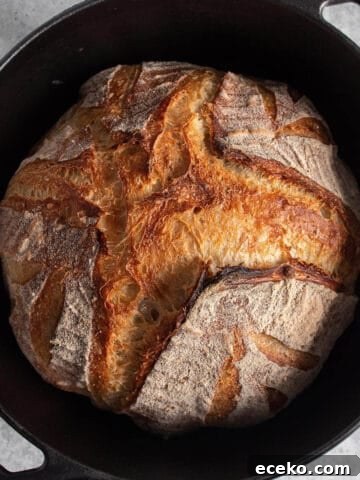
Overnight sourdough bread
-
How to make a sourdough starter
-
How to feed a sourdough starter
Want recipes, tips, sourdough tutorials and occasional kitchen inspiration in your inbox? Sign up for the newsletter to get updates and ideas delivered straight to you.