
With more people working from home, many of us spend more time indoors than ever. That’s why choosing non-toxic furniture—or at least pieces with fewer harmful chemicals—matters more now. In this installment of our furniture series, we focus on non-toxic dressers and what to look for when buying one.
Table of Contents
- Volatile Organic Compounds (VOCs) and Formaldehyde in Dressers
- What to Look for in Non-Toxic Dressers
- Real, Solid Wood (Instead of Engineered Wood)
- Little to No Adhesives
- Zero- Or Low-VOC Paints and Finishes
- Third-Party Certifications
- The 9 Best Brands for Non-Toxic Dressers
- Avocado
- Natural Home by The Futon Shop
- Medley
- West Elm
- Kalon Studios
- Vivaterra
- Nest
- Are IKEA’s Dressers Non-Toxic?
- For a More Affordable Option: Buy Secondhand
- More Non-Toxic Furniture for Your Bedroom
- Conclusion
This post may contain affiliate links, and we may earn a small commission if you choose to make a purchase. We only recommend products we believe meet our standards for safety and quality.
Featured image credit: Kalon Studios
Volatile Organic Compounds (VOCs) and Formaldehyde in Dressers
Volatile organic compounds (VOCs) are the main concern when it comes to furniture. VOCs are chemicals that evaporate at normal indoor temperatures—a process often called off-gassing. When furniture off-gasses, it releases airborne chemicals into your home that you then inhale. Building materials and furniture are major contributors to indoor air pollution.
Formaldehyde is one common VOC found in furniture, especially in adhesives used to make engineered wood like MDF and particleboard. Formaldehyde exposure has been associated with health issues ranging from skin and eye irritation to more serious long-term risks. For that reason, minimizing formaldehyde and other VOCs in bedroom furniture is important for indoor air quality and health.
Home
A Simplified List of Volatile Organic Compounds (VOCs)
You may have heard about VOCs in furniture or carpeting. Here’s a clear list of the most common VOCs, where they’re found, how they affect health, and what you can do to reduce exposure.
What to Look for in Non-Toxic Dressers
Real, Solid Wood (Instead of Engineered Wood)
Many manufacturers use engineered wood (composite wood) because it’s less expensive. Examples include MDF, particleboard, plywood, and chipboard. These materials are made by combining wood fibers or chips with adhesives, and those adhesives often contain formaldehyde and other VOCs.
Solid wood dressers typically contain far fewer synthetic adhesives and therefore off-gas less. When possible, choose solid wood that is sustainably sourced or reclaimed; this reduces chemical exposure and supports more responsible forestry practices.
Little to No Adhesives
Adhesives used in manufacturing are a major source of formaldehyde in furniture. Brands that minimize glue in joinery or use alternative joinery techniques will often produce less-toxic furniture. Ask about construction methods and the types of adhesives used when shopping.
Zero- Or Low-VOC Paints and Finishes
Finishes, paints, and lacquers can also release VOCs. Look for furniture finished with natural oils—like raw linseed oil—or water-based, low- or zero-VOC sealants. Buying unfinished furniture is another option if you prefer a natural look and want to control the finish yourself.
Third-Party Certifications
Third-party certifications are useful indicators that a dresser meets certain environmental and health standards. Helpful labels include GREENGUARD or GREENGUARD Gold, MADE SAFE, Formaldehyde Free Verified by UL Environment, Forest Stewardship Council (FSC), and the Sustainable Furnishings Council. These certifications can guide you toward lower-emitting and more responsibly made furniture.
Home
Looking for a Non-Toxic Couch? These Sofa Brands are Natural & PFAS-Free
If you want a low-toxicity sofa, here’s what to look for and several eco-friendly, PFAS-free couch brands worth considering.
The 9 Best Brands for Non-Toxic Dressers
Below are several brands we recommend for low-toxicity, well-made dressers. Each brand emphasizes solid materials, safer finishes, and more transparent manufacturing practices.
Avocado
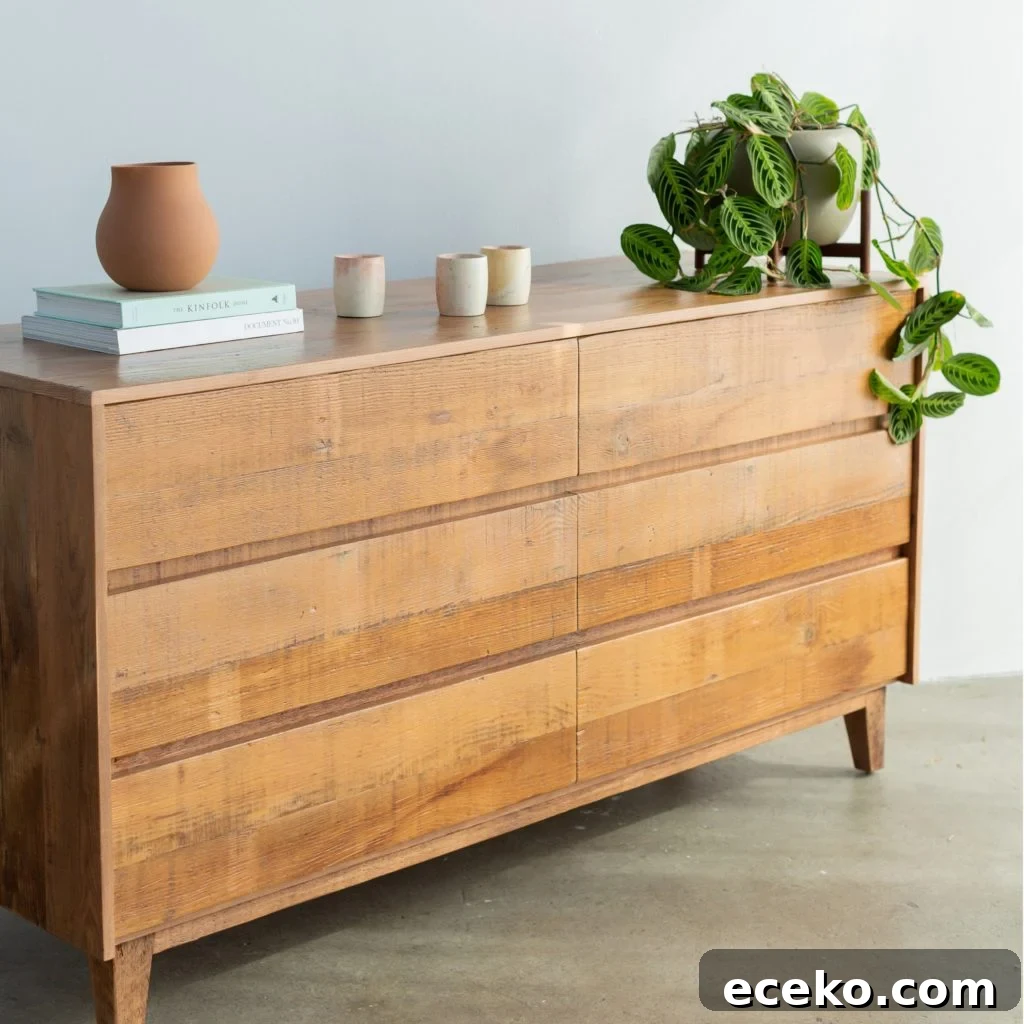
Avocado is well-regarded for non-toxic, sustainable bedroom furniture. Their Greenguard-certified dressers are made in Los Angeles from reclaimed and responsibly sourced FSC-certified wood, finished with a zero-VOC sealant. Designs range from natural, minimalist looks to more refined styles, and features like easy-open drawers reduce the need for hardware. Avocado is a certified B Corp with sustainability and fair manufacturing practices baked into its operations.
Natural Home by The Futon Shop
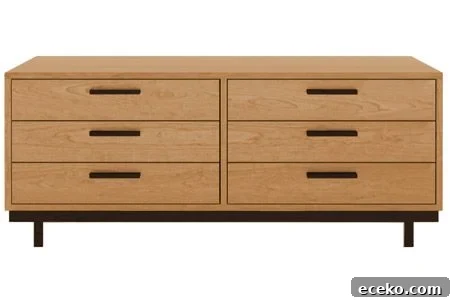
The Futon Shop carries solid wood dressers—many produced by Vermont Furniture Designs—finished with a natural, zero-VOC linseed oil wax. They typically avoid staining, allowing the wood’s natural color and grain to show through.
Medley
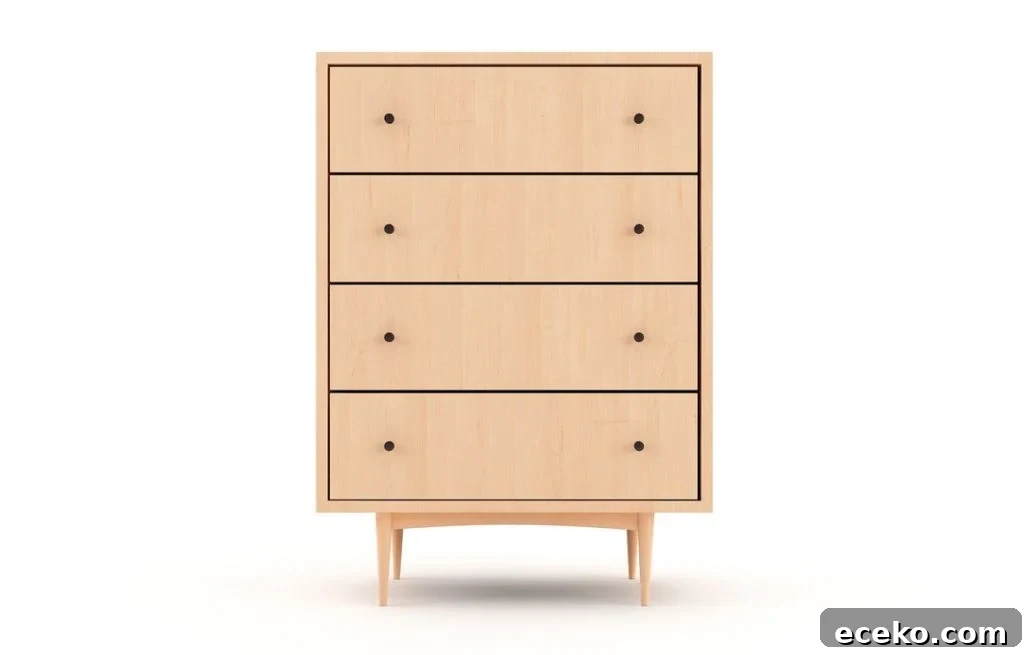
Medley offers several sustainable dresser options in FSC-certified solid hardwood or natural bamboo. They use low- and zero-VOC finishes and water-based or natural adhesives, and much of their furniture is handcrafted in California. Their finishes may include natural waxes like beeswax.
Use the code THEFILTERY5 for 5% off your order.
West Elm
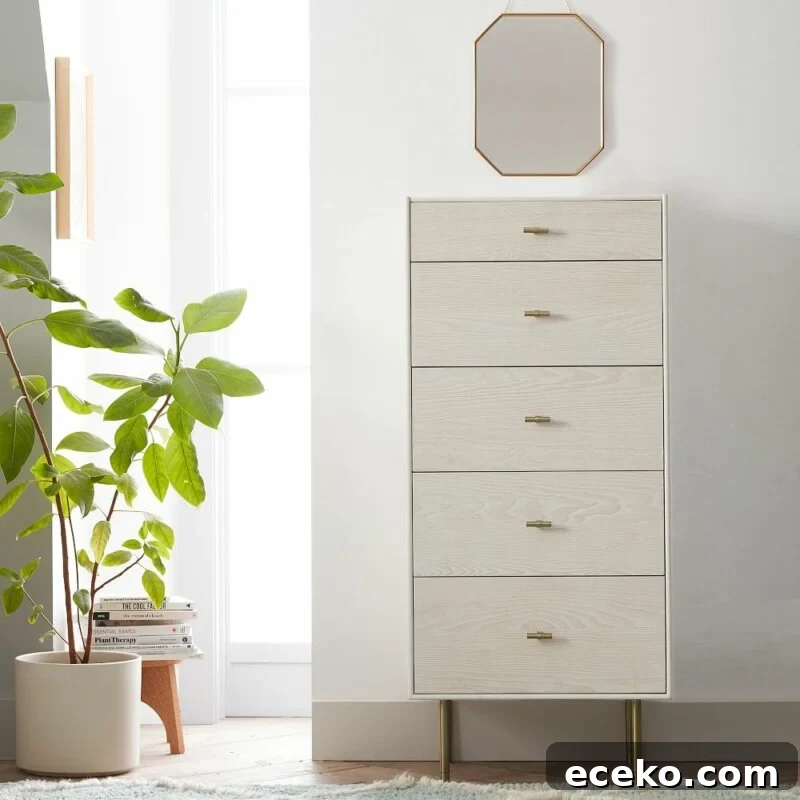
West Elm is a mainstream furniture retailer that offers some Greenguard-certified and sustainably sourced dressers. While not all West Elm pieces are non-toxic, their site allows filters for certifications and sourcing so you can find lower-emission options that match various styles, from kids’ rooms to mid-century inspired chests.
Kalon Studios

Kalon Studios makes minimalist dressers in solid American ash or black walnut, finished with a certified non-toxic organic oil/wax that prevents off-gassing. Their pieces include soft-close drawers and a clean Scandinavian aesthetic.
Vivaterra
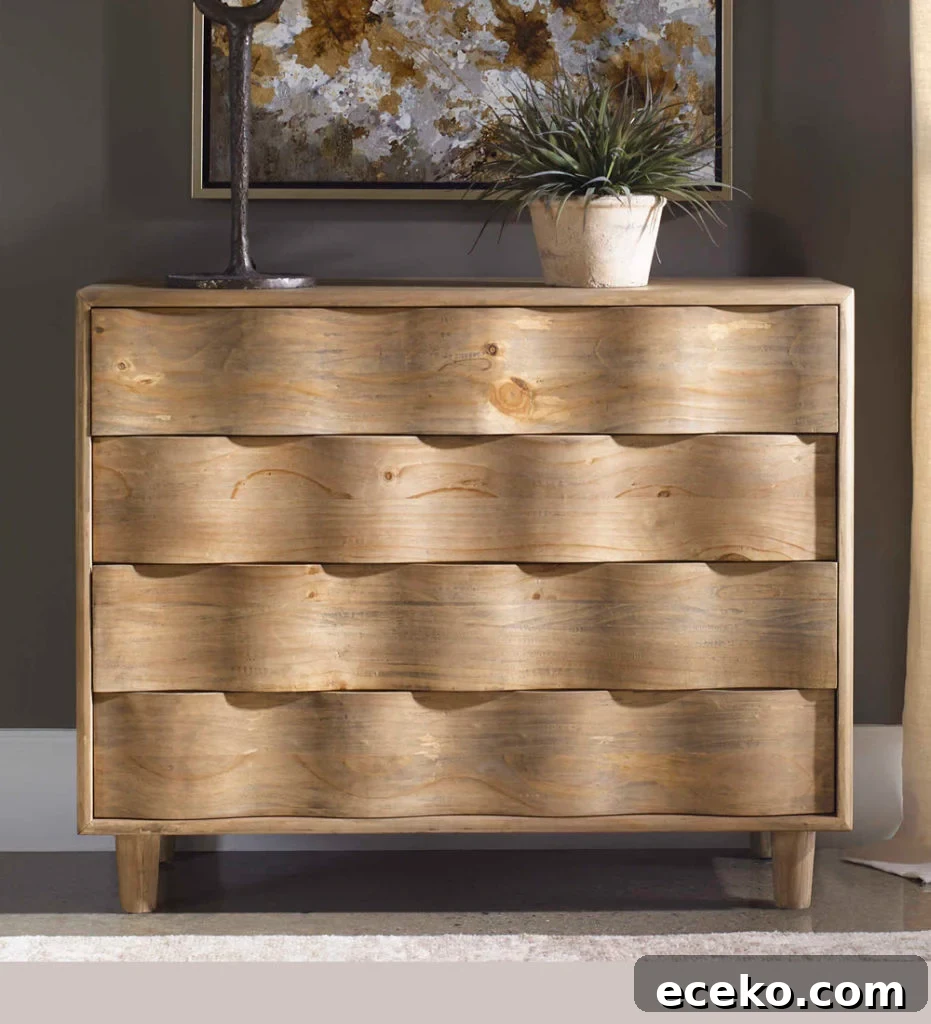
Vivaterra’s rustic-style dressers are handmade in California from reclaimed Douglas Fir and finished with water-based, non-toxic stains. They offer a range of heights, stain colors, and drawer counts for more customizable rustic options.
Nest
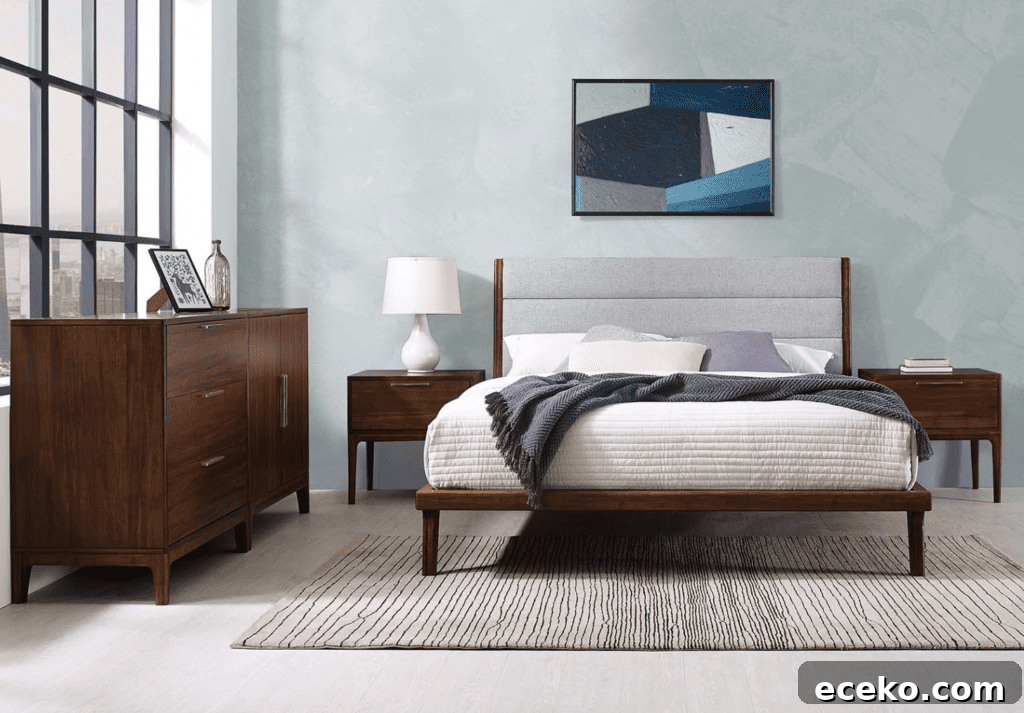
Nest uses 100% solid Moso bamboo for many of its bedroom pieces. Bamboo is lightweight yet strong, and Nest’s production facilities follow environmental management standards without using plywood, particleboard, or MDF. Collections vary from more contemporary to mid-century styles, including dressers and nightstands made with low-emission processes.
Are IKEA’s Dressers Non-Toxic?
IKEA has taken steps toward sustainability, but most of their dressers still include engineered wood components and conventional finishes, adhesives, and lacquers that may contain VOCs. While IKEA has sustainability initiatives and some improvements over time, many of their products don’t meet the stricter low-VOC or formaldehyde-free standards highlighted above. We hope to see broader adoption of non-toxic glues and finishes from large-scale manufacturers like IKEA in the coming years.
Home
Is IKEA Furniture Non-Toxic?
We examine IKEA’s progress on chemical safety and which products, if any, meet lower-toxicity standards.
For a More Affordable Option: Buy Secondhand
High-quality, non-toxic dressers can be expensive. Buying secondhand or refurbished furniture is a budget-friendly and sustainable alternative. Older solid wood pieces can be very durable and may already have off-gassed most of their initial VOCs.
Places to look for secondhand dressers include:
- Etsy
- AptDeco
- OfferUp
- Facebook Marketplace
More Non-Toxic Furniture for Your Bedroom
If you want a cohesive, low-toxicity bedroom, consider replacing other pieces too—mattress, bed frame, nightstands, mirrors, headboards, and benches. We’ve compiled a full guide to non-toxic bedroom furniture that covers these categories and helps you build a healthier sleep environment.
Conclusion
When your current dresser needs replacing, choose a piece made from solid, sustainably sourced wood, finished with low- or zero-VOC sealants, and built with minimal adhesives. These choices reduce off-gassing and improve indoor air quality so your bedroom is a healthier place to live and sleep.
Image Credits: All product photos belong to respective brands.