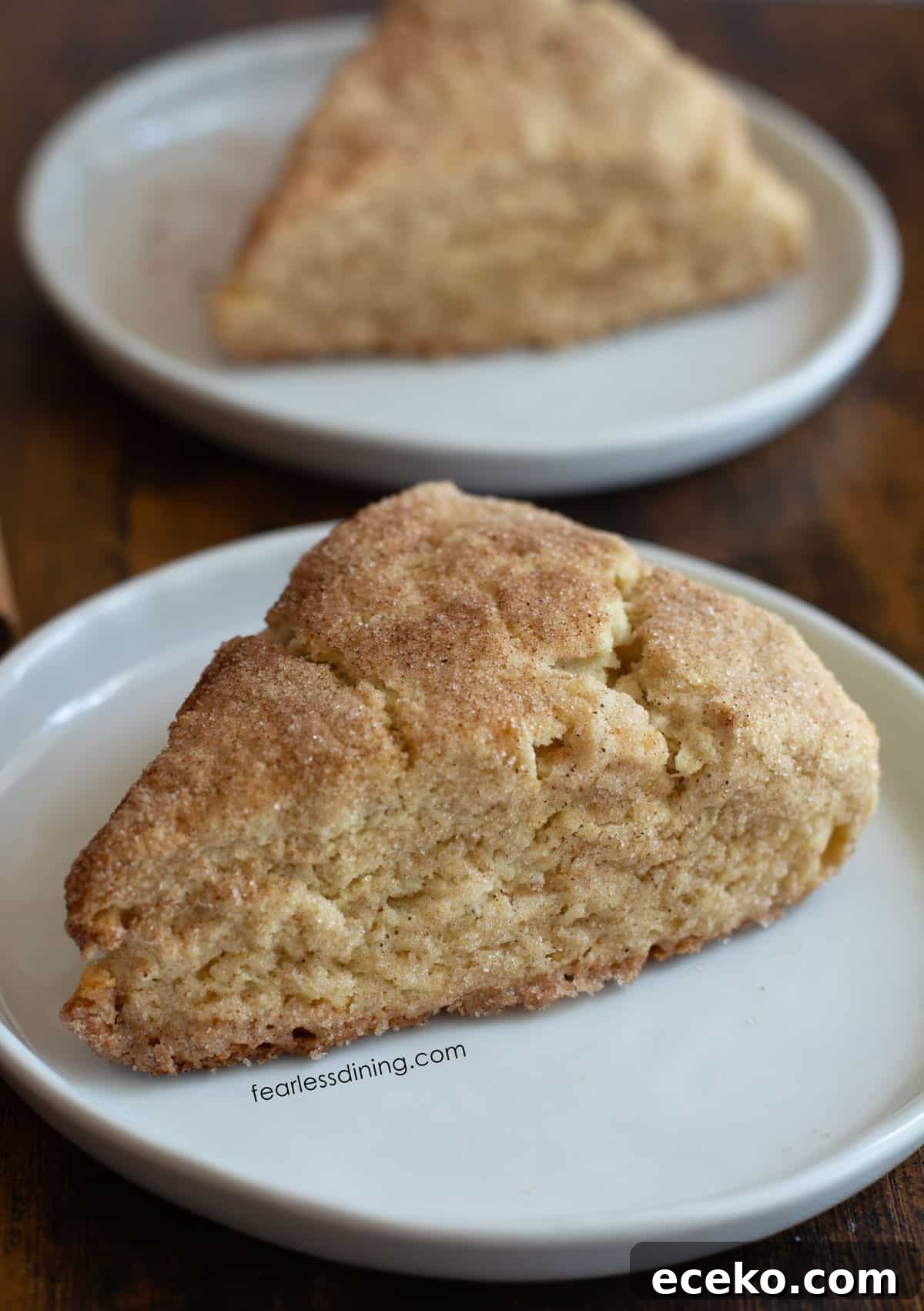
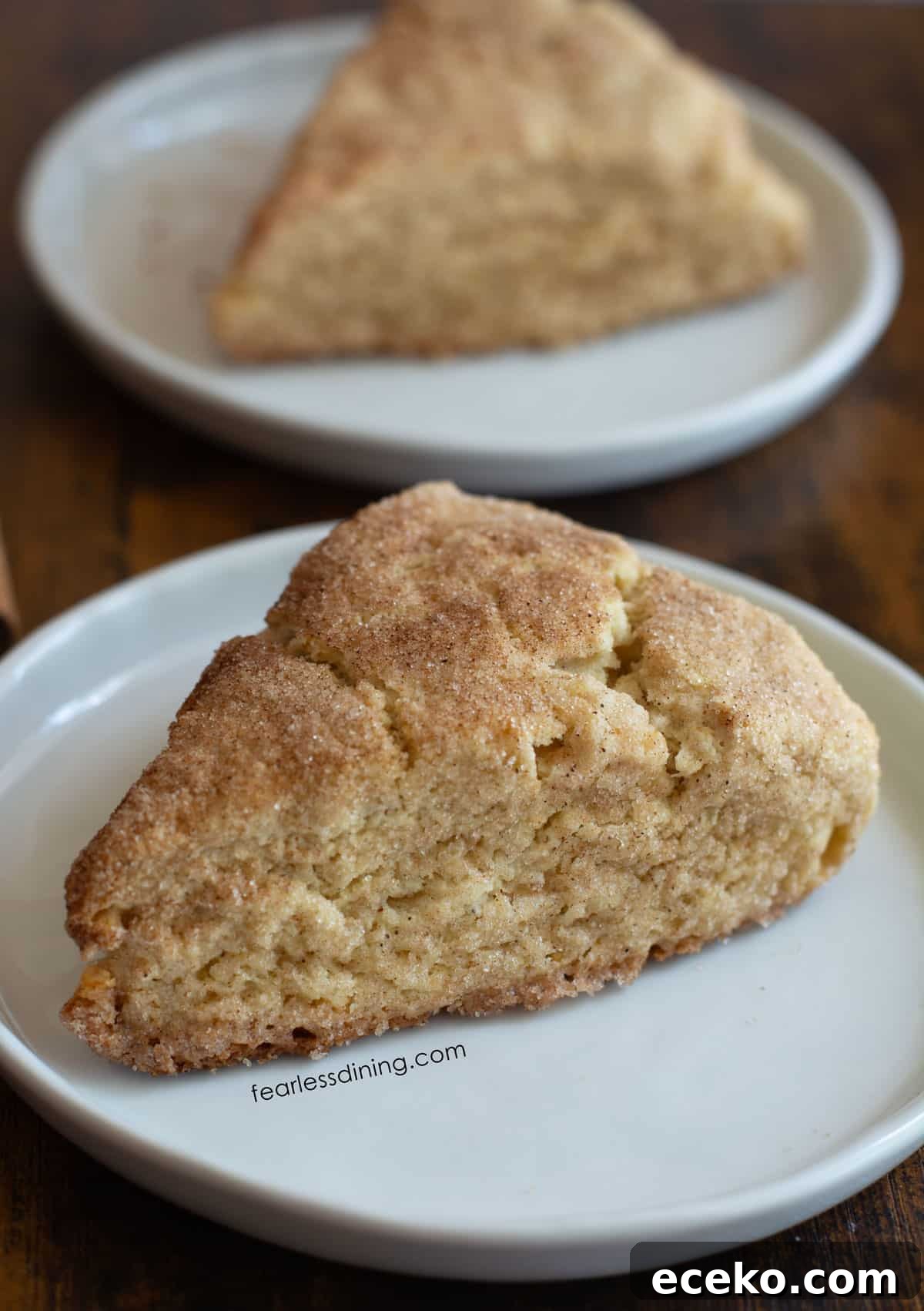
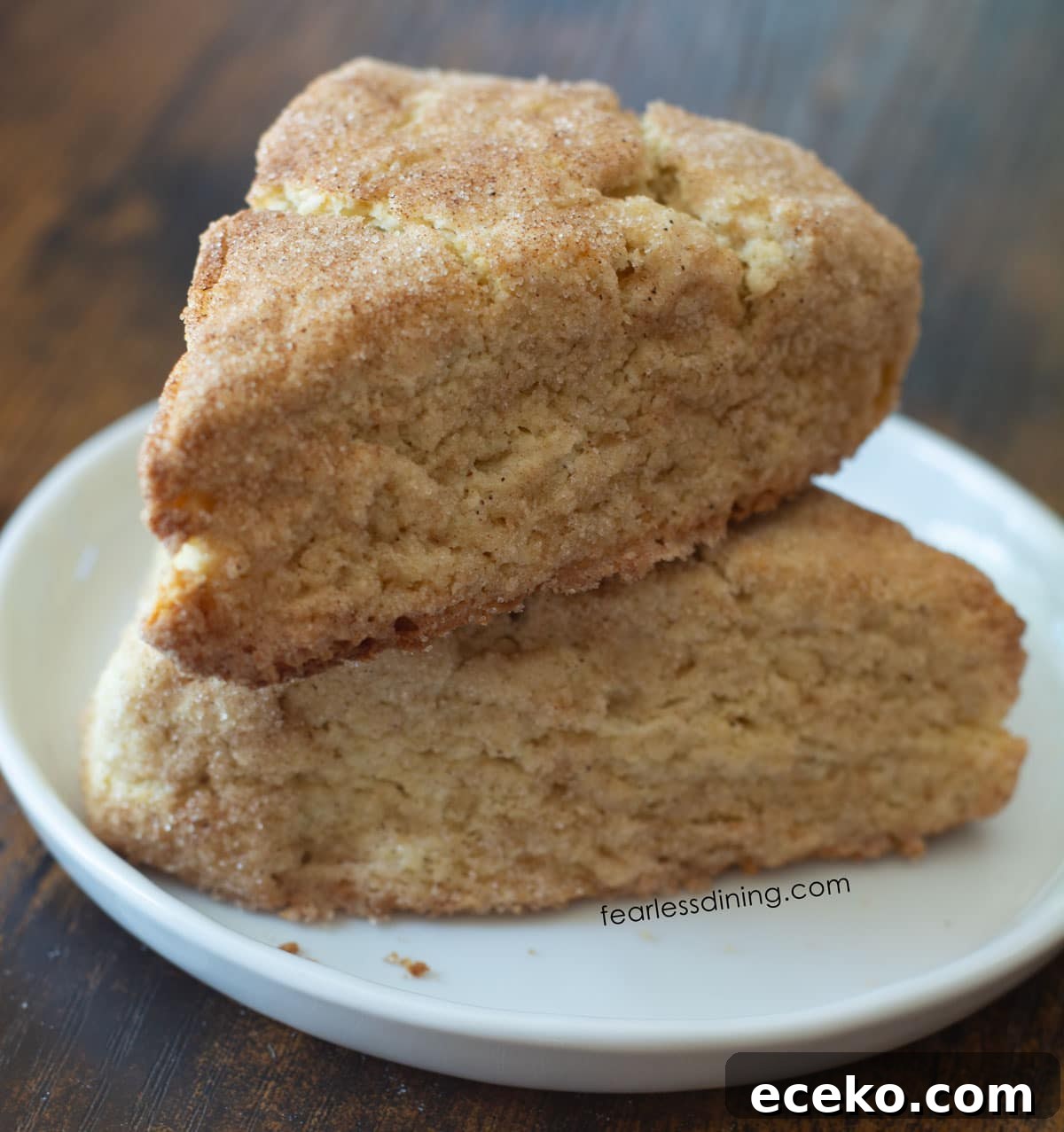
These gluten-free snickerdoodle scones are flaky and buttery, with tender interiors and crisp edges thanks to a golden, crinkly cinnamon-sugar coating. Whether you’re baking for brunch, a cozy weekend treat, or simply love snickerdoodle flavor, these homemade gluten-free scones are a must-try.
❤️ Sandi’s Recipe Summary
- These scones capture the classic snickerdoodle flavor of the cookie.
- They bake up large with lots of flaky layers.
- Tested with multiple gluten-free flour blends so you have options.
- Freezer-friendly and easy to reheat for quick breakfasts.
If you follow this blog you know I love scones—sweet and savory—and I’m excited to share this gluten-free snickerdoodle version. I’d love to hear how yours turn out, so please leave a comment!
Ingredient Notes:
For exact ingredient amounts, see the recipe card further down.
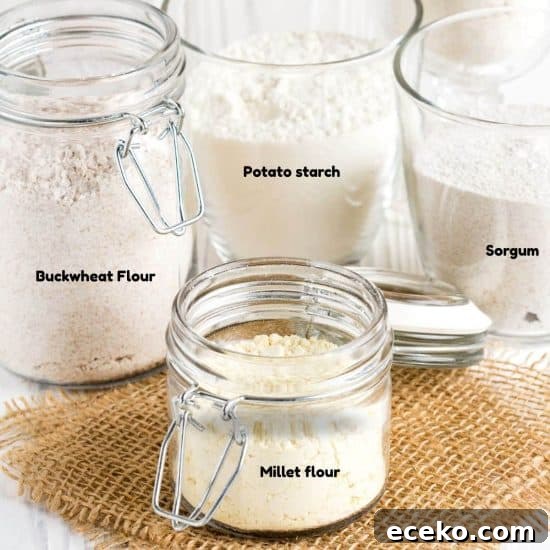
- Gluten-Free Flour Blend – Works well with common 1:1 blends. Different blends behave differently; be ready to adjust moisture slightly.
- Sugar – Adds sweetness and helps with browning. The cinnamon-sugar coating provides most of the finishing sweetness.
- Baking Powder – Use aluminum-free baking powder for the cleanest flavor and reliable lift.
- Butter – Use cold unsalted butter (or plant-based butter to make the recipe dairy-free). Cold butter creates steam pockets that yield flaky layers.
- Eggs – Large eggs add richness, structure, and tenderness.
- Milk or Non-Dairy Milk – Either works; oat milk is a good option for flavor and texture.
- Ground Cinnamon – Essential for that warm snickerdoodle flavor and the cinnamon-sugar coating.
A Note From My Kitchen
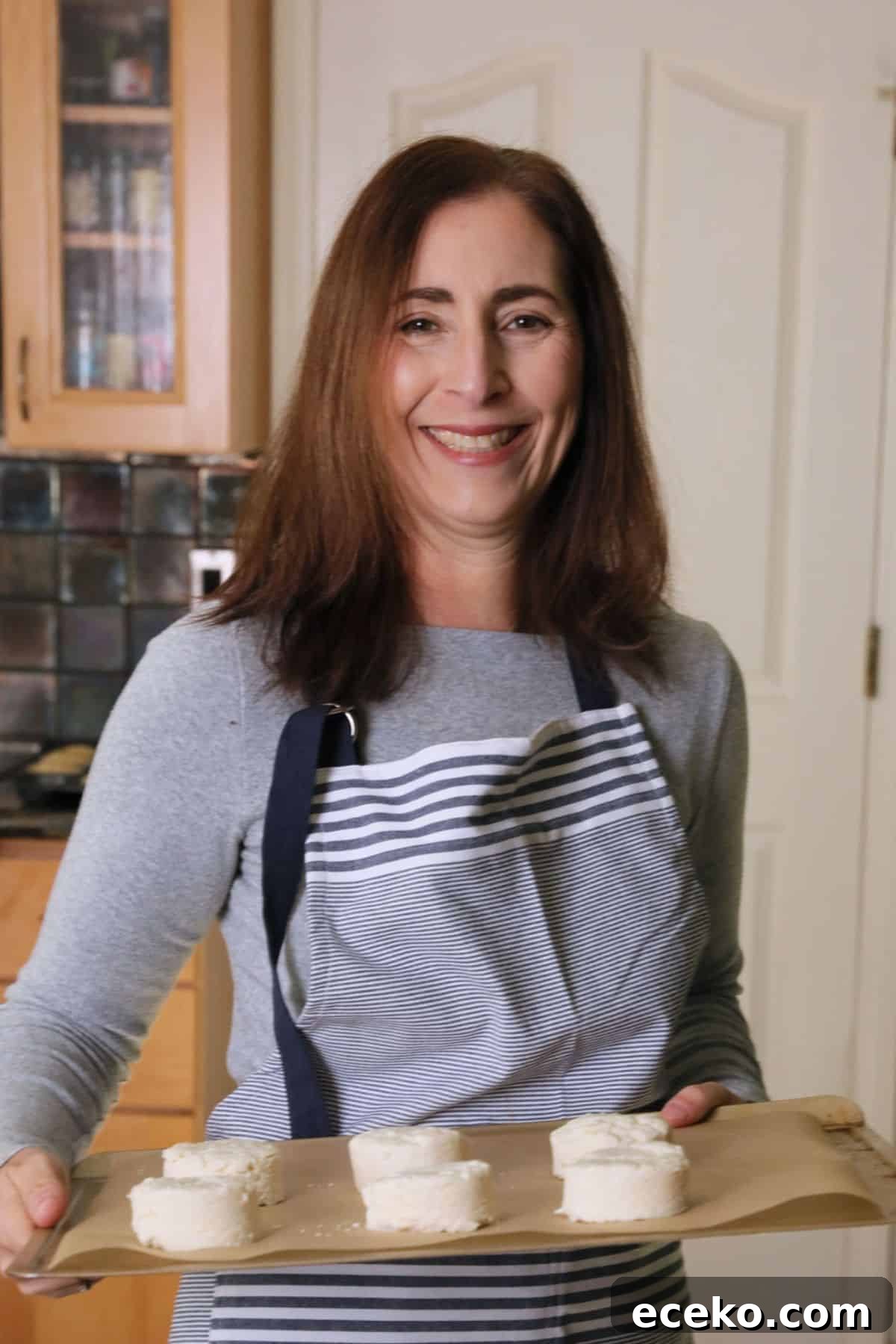
I’m a bit obsessed with scones and have tested these recipes extensively to ensure big, flaky layers. Those layers come from cutting cold butter into the dry ingredients so steam forms as the butter melts during baking. I test with multiple flour blends and both dairy and dairy-free butter, but if your dough seems too wet, add flour one tablespoon at a time. If it’s too dry, add a tablespoon of milk at a time. Small adjustments will help account for differences between gluten-free flour blends.
How to Make Gluten-Free Snickerdoodle Scones (Step-By-Step)
Step 1: Preheat the oven to 350°F. Position the rack in the middle.
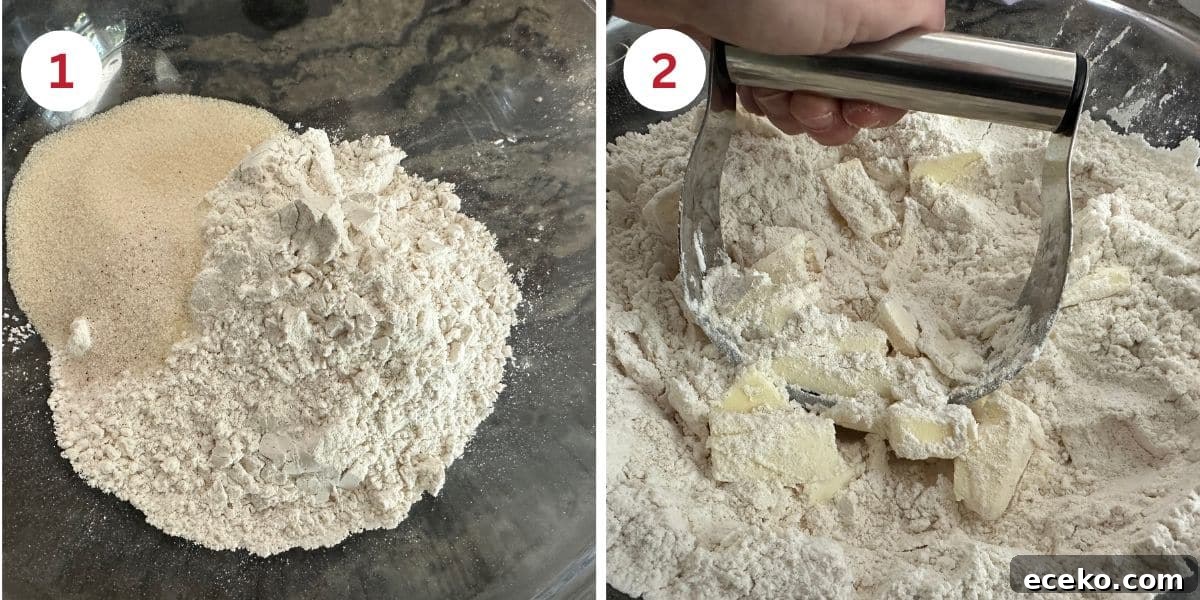
Step 2: Whisk the gluten-free flour blend, sugar, baking powder, and salt in a large bowl to distribute the dry ingredients evenly.
Step 3: Cut cold unsalted butter into chunks and use a pastry blender (or grate frozen butter) to cut it into the flour until pieces are about the size of peas. This keeps the butter cold and creates flaky layers.
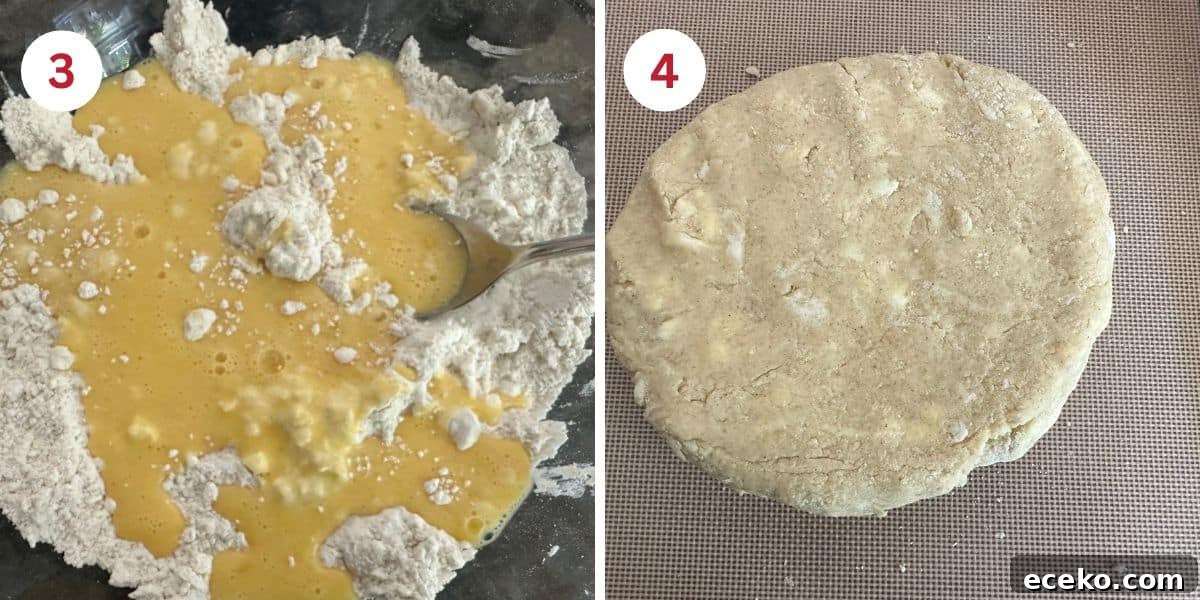
Step 4: Whisk together the eggs and milk (regular or non-dairy). Pour into the flour-butter mixture and mix to form a soft dough that holds together without being sticky.
Step 5: Turn the dough onto a lightly floured surface or silicone baking mat and shape it into a round about 2 inches thick. You should still see bits of butter in the dough—those will steam and puff up during baking.
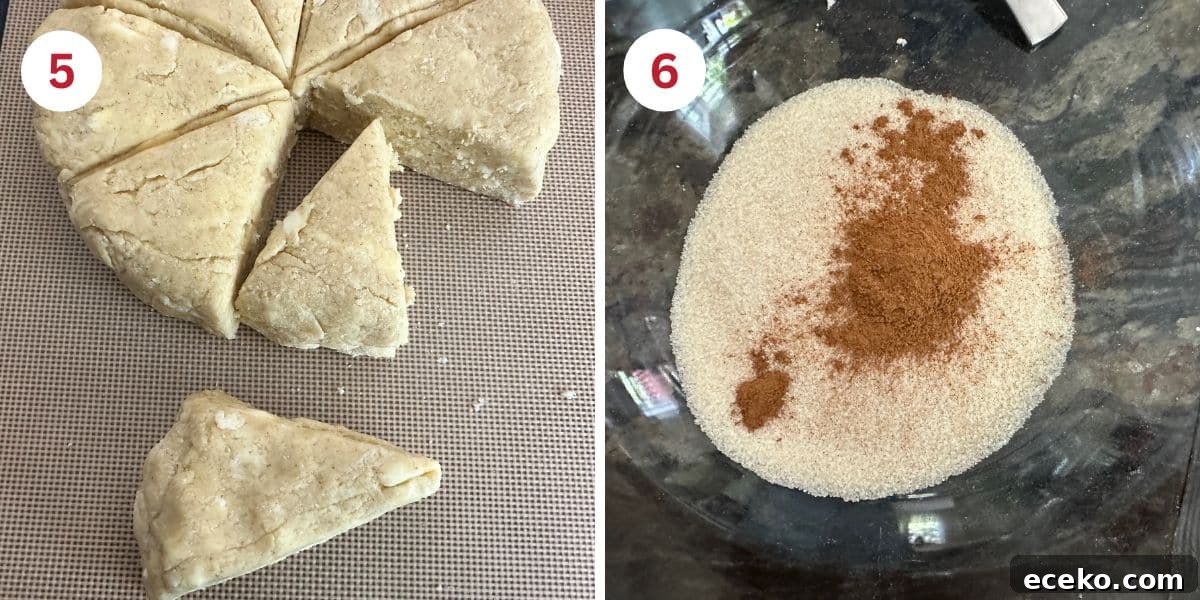
Step 6: Cut the circle into 8 wedges and separate each scone. Avoid twisting the knife when cutting—just press straight down to prevent sealing the edges.
Step 7: Combine cinnamon and sugar in a small bowl. Roll each wedge in the cinnamon-sugar until evenly coated on all sides.
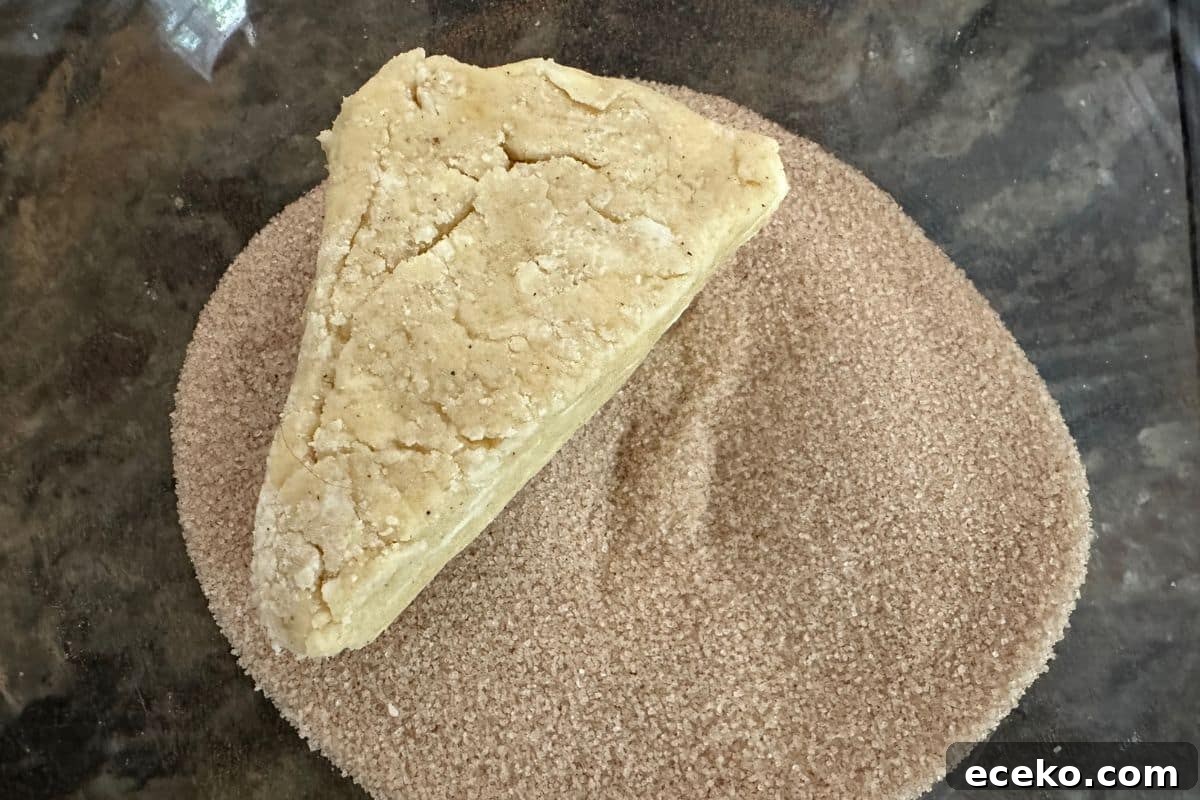
Step 8: Line a baking sheet with parchment paper. Place the coated wedges on the sheet and bake 20–25 minutes, depending on thickness, until slightly golden.
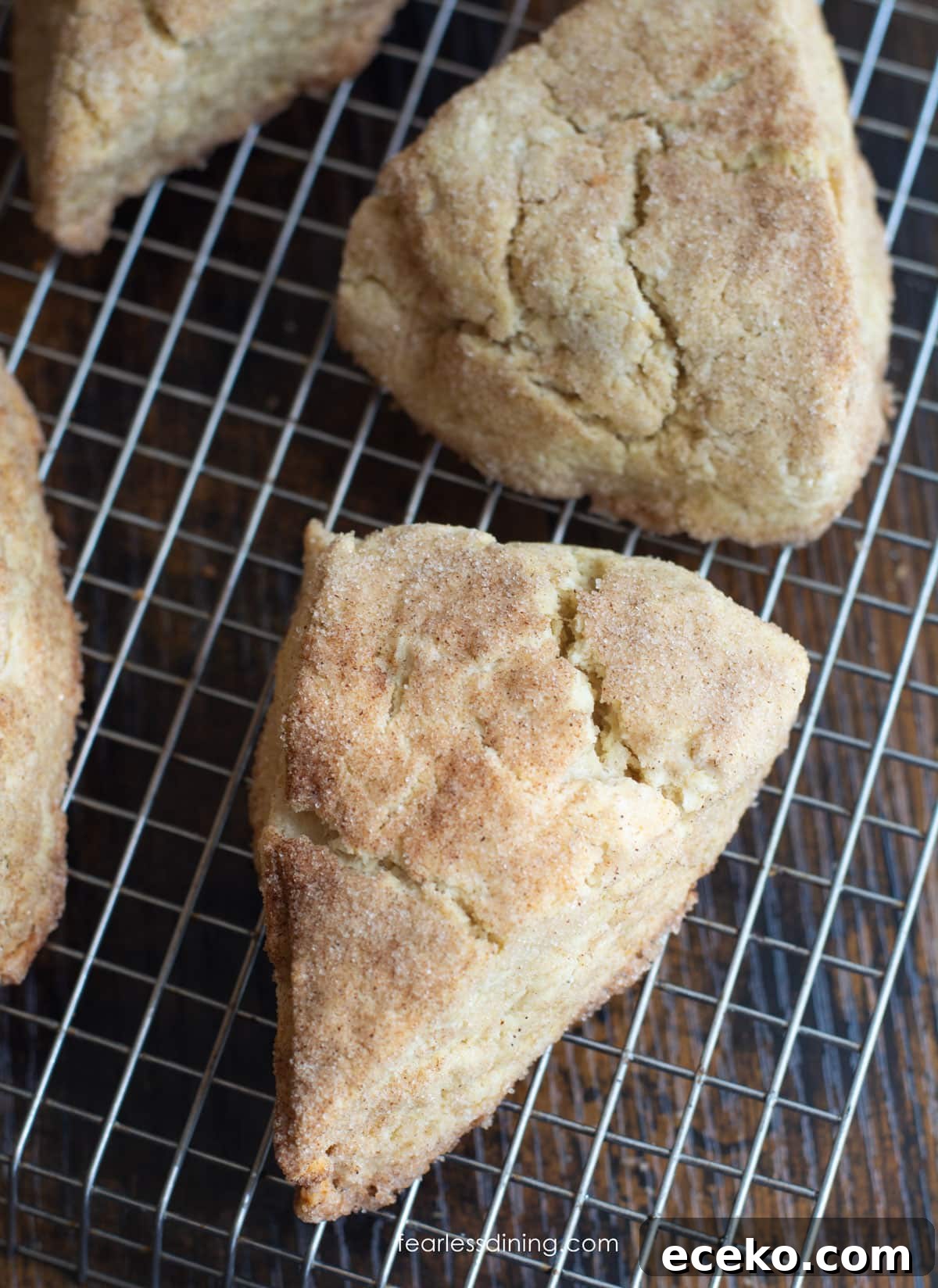
Step 9: Transfer the parchment with scones to a cooling rack and cool completely before serving. Enjoy warm or at room temperature.
Tips For Success
1. Use very cold butter to ensure flaky layers. 2. Cut scones straight down rather than twisting your knife to avoid sealing the edges and preventing rise.
Storage and Freezing Tips:
- Store leftover scones in an airtight container at room temperature for up to 3 days. Because gluten-free baked goods can dry out faster, freezing is recommended if you won’t eat them within that time.
- To freeze: cool completely, place scones flat in a freezer-safe zipper bag, and freeze. Thaw at room temperature or microwave for about 25 seconds to warm.
More Gluten-Free Scone Recipes:
If you love scones, try other gluten-free varieties for seasonal or savory options.
- Gluten-Free Pumpkin Scones
- Gluten-Free Cornmeal Scones
- Gluten-Free Strawberries and Cream Scones
- Gluten-Free Buttermilk Scones
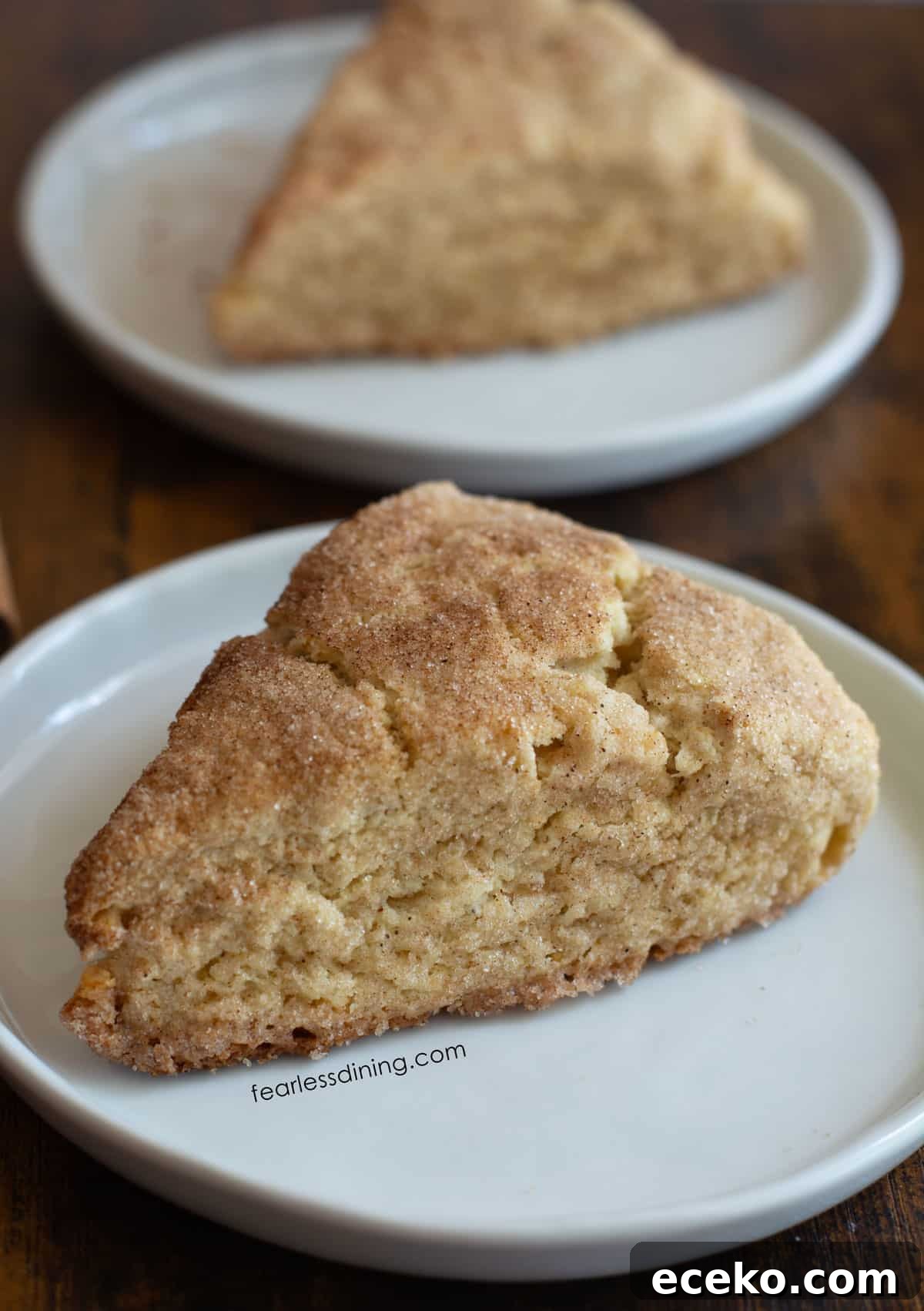
Gluten-Free Snickerdoodle Scones – Cinnamon Sugar Goodness!
Ingredients
- 2 cups gluten free flour
- ⅓ cup cane sugar
- 2 teaspoons baking powder
- ⅛ teaspoon salt
- ½ cup cold unsalted butter
- 2 large eggs
- ½ cup regular or non-dairy milk
- 1 teaspoon ground cinnamon
- ¼ cup cane sugar
Equipment
- silicone mat or clean surface
- pastry blender (or cheese grater for frozen butter)
- parchment paper
Method
- Preheat the oven to 350°F and position the rack in the middle.
- In a large bowl, whisk the gluten-free flour, cane sugar, baking powder, and salt until combined.
- Cut cold butter into chunks and toss into the flour. Use a pastry blender or grated frozen butter to cut the butter until pea-sized pieces remain.
- In a small bowl, whisk the eggs with the milk. Stir into the flour mixture until a soft dough forms that holds together without being wet.
- Turn the dough onto a surface and shape into a 2-inch-thick round. Cut into 8 wedges with a sharp knife, separating each wedge without twisting the blade.
- Mix the cinnamon and 1/4 cup cane sugar in a bowl. Roll each wedge in the cinnamon sugar to coat all sides.
- Line a baking sheet with parchment paper and place the scones on it. Bake 20–25 minutes, until slightly golden.
- Cool on a wire rack before serving. Enjoy warm or at room temperature.
Notes
- I tested this with multiple 1:1 gluten-free blends; most should work. Adjust flour or liquid slightly if the dough feels too wet or too dry.
- If your flour blend lacks a binder, add about 3/4 teaspoon xanthan gum.
- Oat milk was used in testing, but any milk or non-dairy milk works. For dairy-free, use plant-based butter.
- To freeze scones: cool completely, place flat in a freezer bag, and freeze. Thaw at room temperature or microwave briefly to warm.
Gluten-Free Related Reading
Gluten-free baking requires understanding how ingredients work together. If you want to improve your results, check out resources on using binders, selecting flour blends, and other tips to help you bake with confidence.
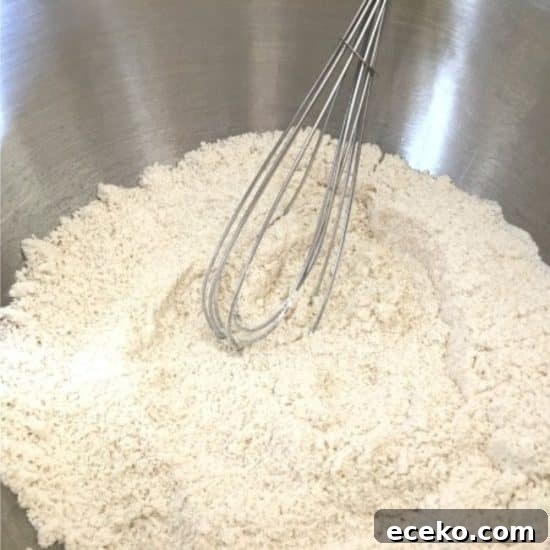
My Best Gluten-Free Baking Tips — for more consistent results.
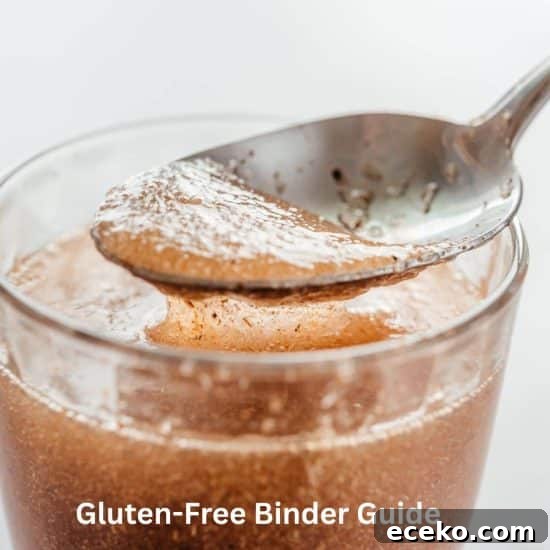
Why Binders Matter in Gluten-Free Baking.
Choosing the Best Gluten-Free Flour Blends and how to use them.