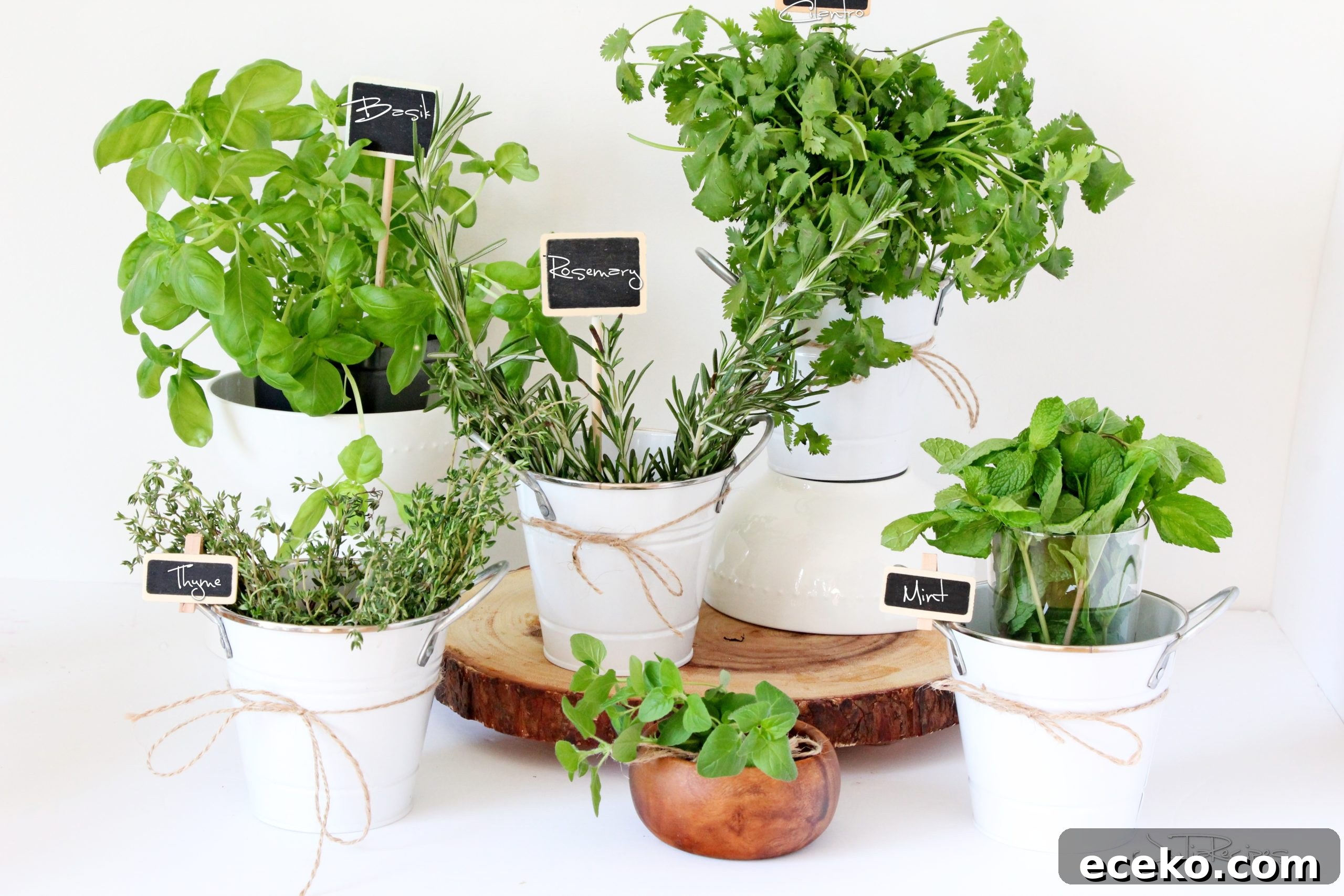
MY HERB HEAVEN
written by @JuliaRecipes
“This post may contain affiliate links. Please see disclosure page for more information.”
Dear readers, I’ve been away for a few weeks because I was busy in my garden. I love growing herbs — especially fresh ones from my own garden — they are the most flavorful little treasures. Whether you have a spacious yard or a small balcony, it’s surprisingly easy to create an herb garden that supplies bright, fresh flavors for everyday meals.
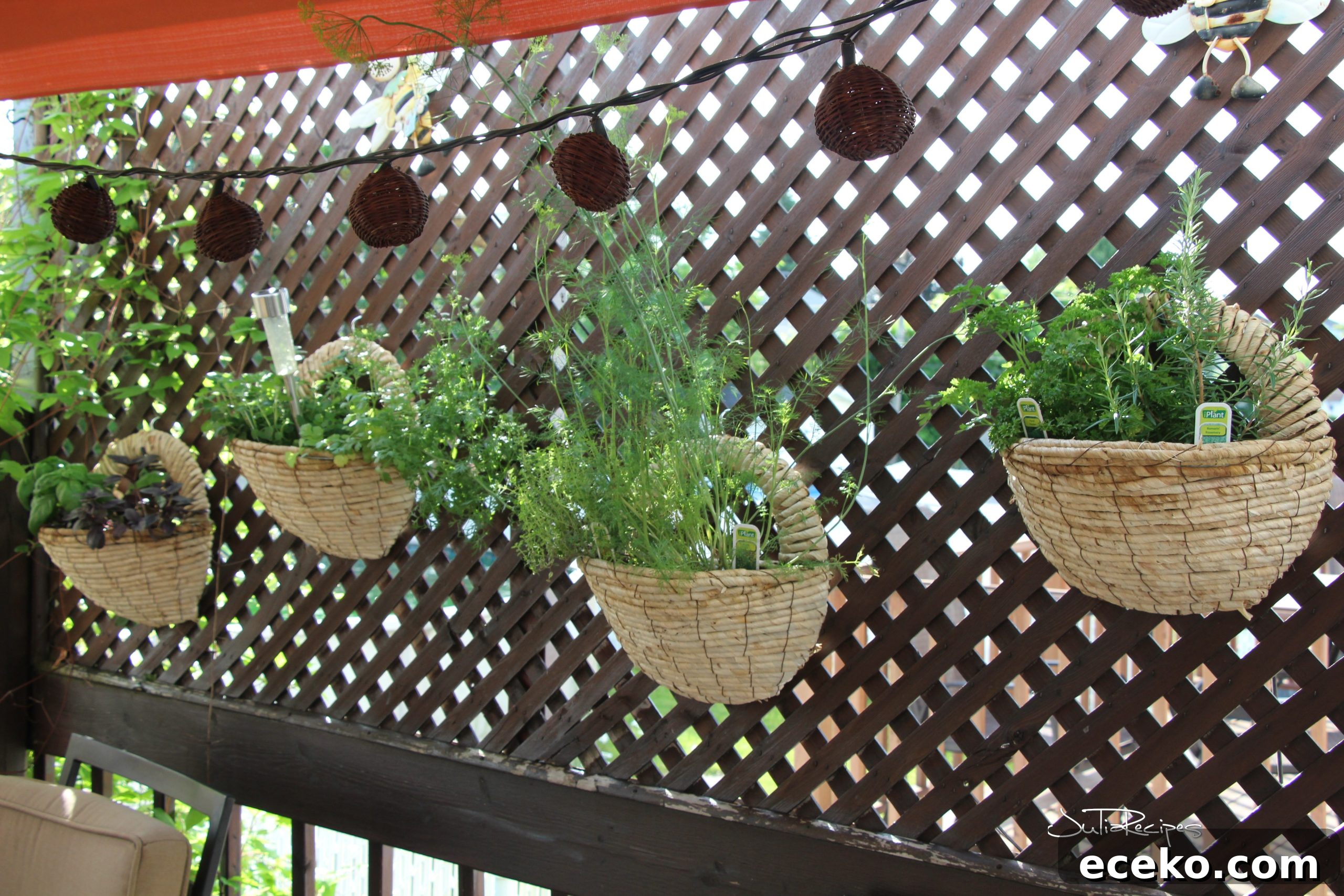
In this guide I’ll show simple ways to start your own herb garden and how to use common herbs in cooking. I’ll also explain which herbs pair best with meats, vegetables and sweets. Let’s begin with one of the most familiar herbs: basil.
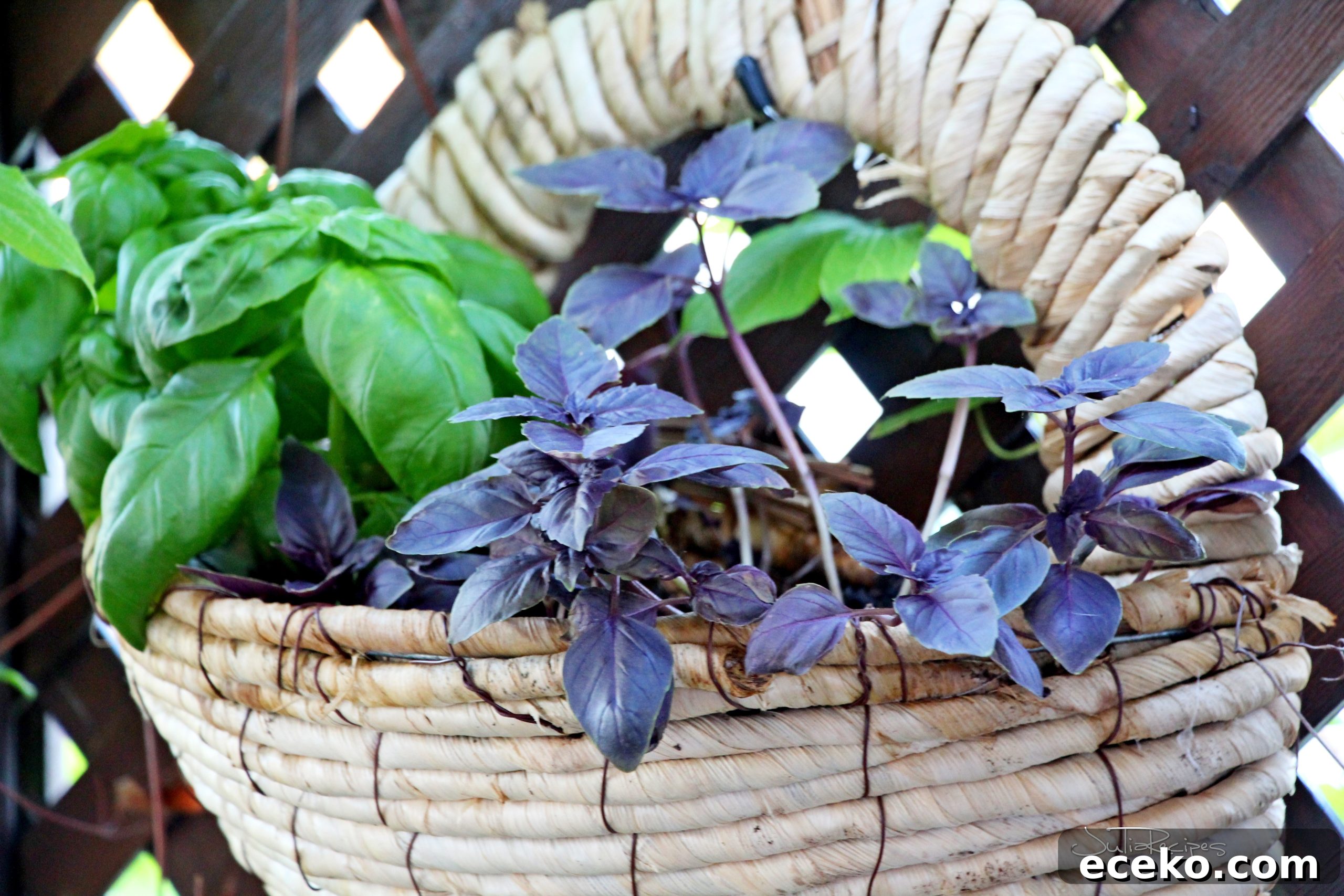
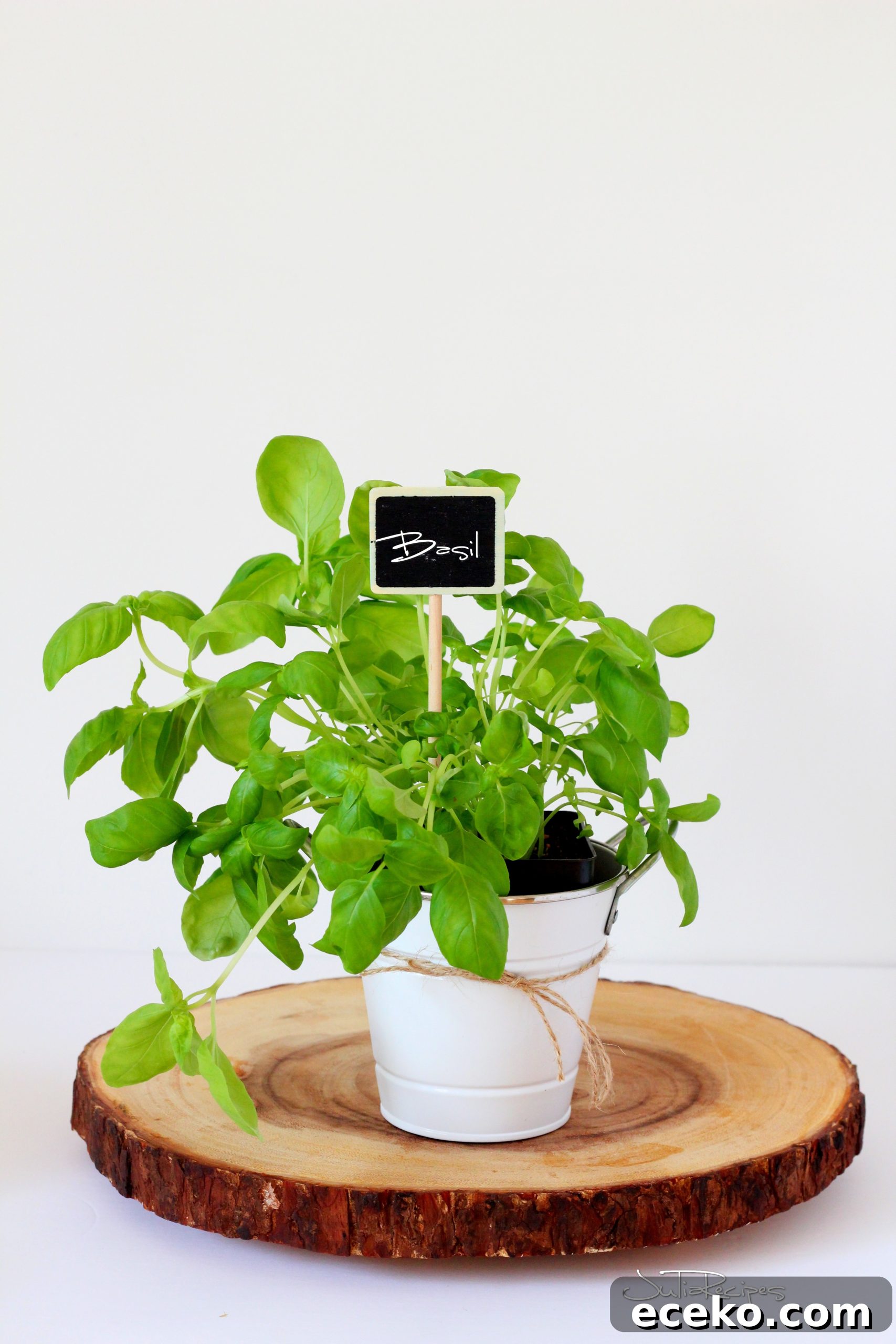
BASIL
Basil is essential in Italian cooking and beloved in many other cuisines. For best flavor, add basil near the end of cooking so it doesn’t lose its aroma. It pairs beautifully with pasta, pork, fresh tomatoes, cheeses, cucumbers, fish and lamb. Fresh basil also shines in salads, pestos and simple bruschetta.
Excellent pairing with
- Pasta
- Pork
- Tomatoes
- Watermelon
- Cheese
- Cucumber
- Fish
- Lamb
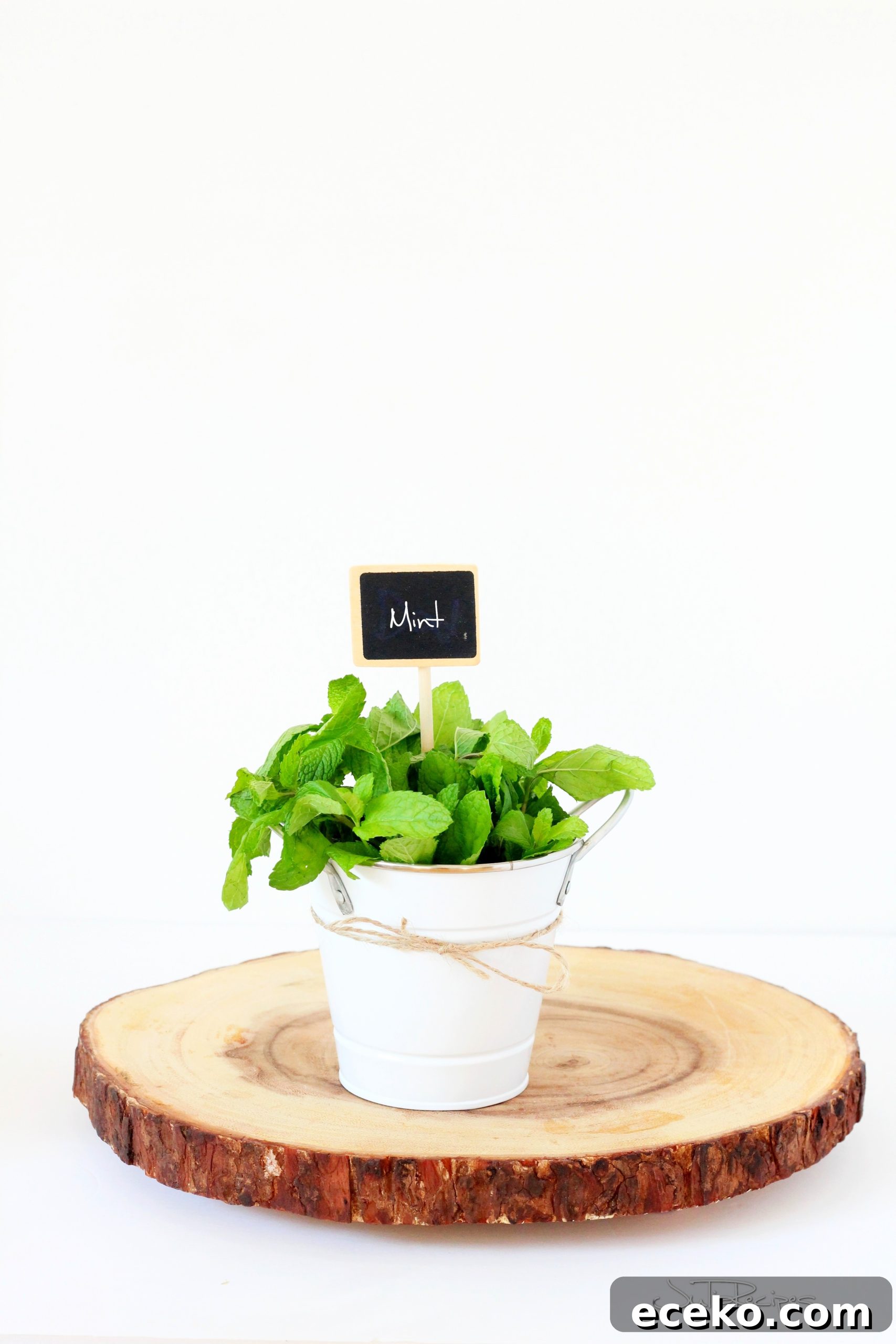
MINT
Mint’s bright, cooling aroma works well in both sweet and savory dishes. Use it in summer cocktails, lemonades, fruit salads, refreshing drinks and herbal teas. Mint is also a lovely addition to hummus, salsas and as a garnish for desserts. Its fresh citrusy notes lift many dishes.
Excellent pairing with
- Watermelon
- Strawberries
- Green peas
- Peach
- Lamb
- Blueberries
THYME
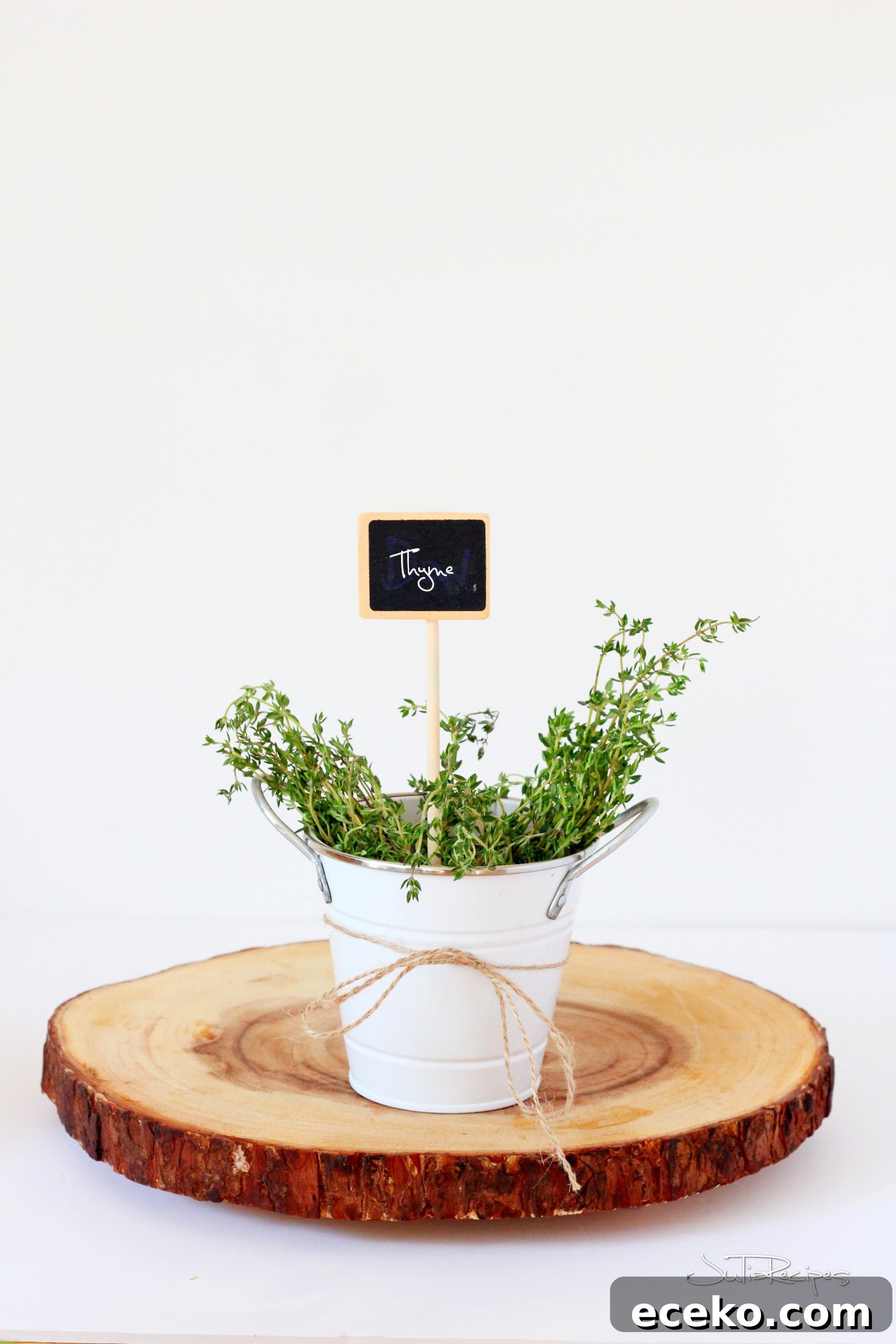
Thyme adds an earthy, savory depth to cooked dishes. Because its flavor is stronger and more pronounced, thyme works best in recipes that require longer cooking times. It’s a classic match for roasts, stews, mushrooms, poultry and many hearty dishes where slow cooking lets its aroma develop.
Excellent pairing with
- Beef
- Bread
- Carrots
- Cheese
- Eggs
- Fish
- Grapes
- Mushrooms
- Pork
- Poultry
ROSEMARY
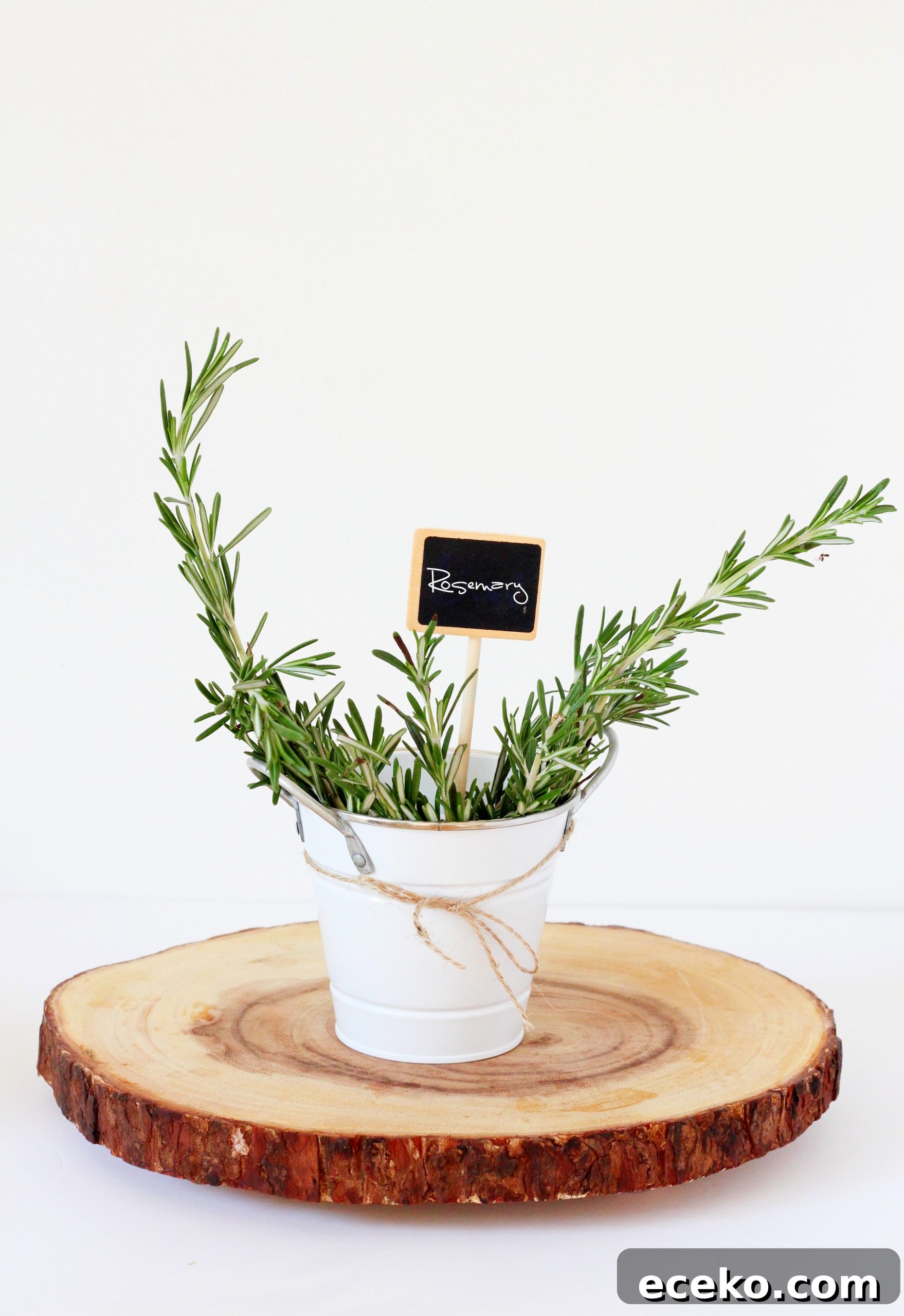
Rosemary has needle-like leaves and a distinctive woody fragrance. It’s ideal for roasting meats and vegetables and makes a lovely addition to roasted sweet potatoes. Use rosemary with roasted dishes, stuffing, cheeses, fish and lamb — it lends a warm, resinous aroma that holds up to high-heat cooking.
Excellent pairing with
- Cheese
- Cucumber
- Fish
- Lamb
CILANTRO (Coriander)
Cilantro, also called coriander, is common in Mexican and Southeast Asian dishes. It has bright citrusy notes that pair especially well with salsas, guacamole, salads and fresh toppings for soups. Use cilantro fresh whenever possible — it loses flavor quickly when dried or frozen.
Excellent pairing with
- Beef
- Fish
- Prunes
- Pork
- Poultry
- Tomatoes
Using herbs enriches flavor and can help reduce the amount of salt needed in your cooking. Fresh herbs also improve the appearance of a dish, making meals both tastier and more visually appealing.
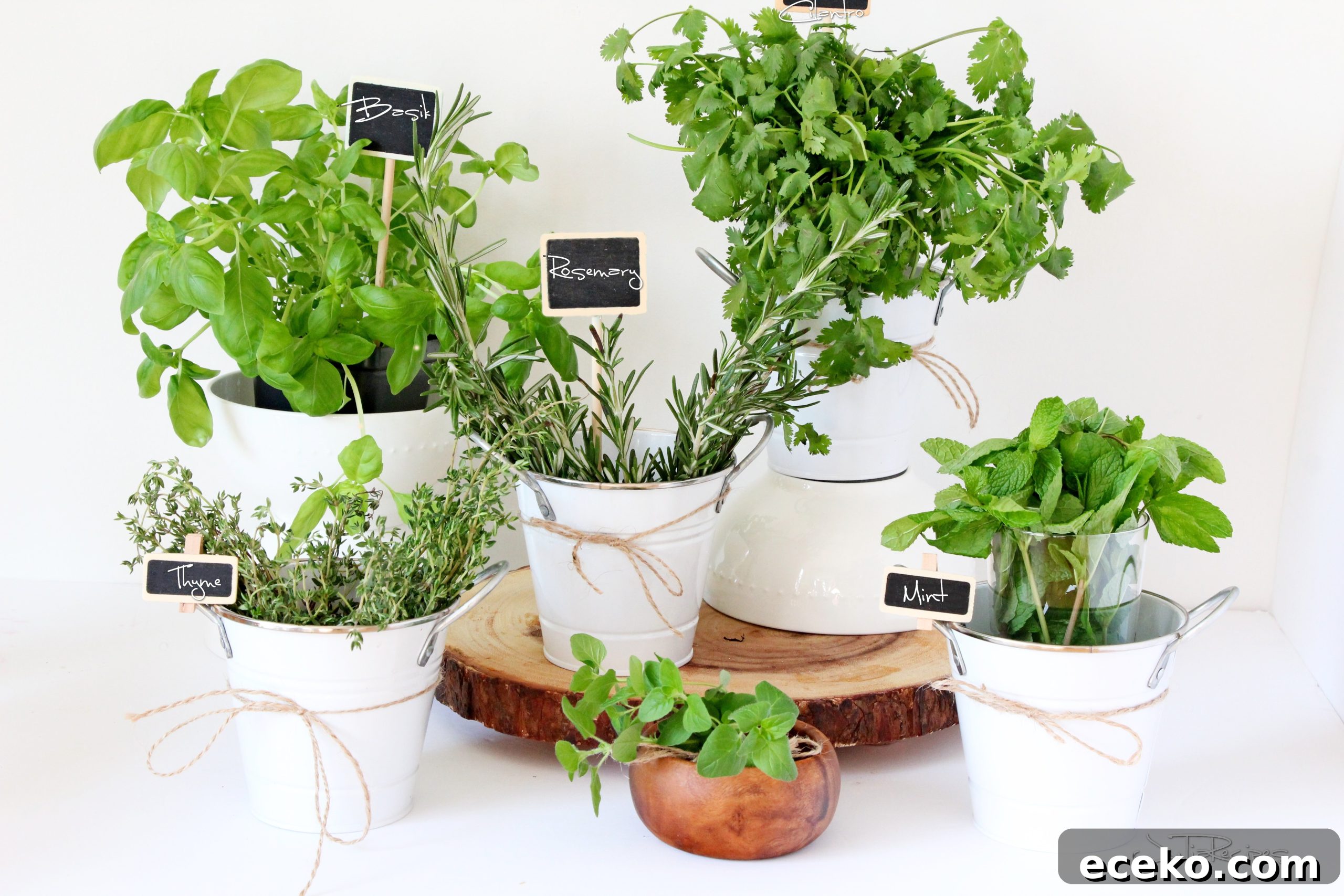
HOW TO KEEP YOUR HERBS LOOKING FRESH LONGER
(fresh cut herbs)
- Choose herbs that look freshly cut and healthy.
- Remove them from plastic packaging.
- Place the stems in a glass of water.
- Keep them on a bright counter away from direct sun.
- If you buy herbs in a pot, replant them as soon as possible.
PLANNING YOUR HERB GARDEN
1. Choosing a location
Most culinary herbs need two things: sunlight and well-drained soil. Select a spot that receives about six or more hours of sun daily and drains well. Convenience is helpful too — planting near the kitchen or house makes harvesting easier.
2. Preparing the soil
Before planting, improve heavy clay or sandy soil by working in plenty of compost. Even good soil benefits from added compost to supply nutrients. Avoid using fresh composted manures for culinary herbs, as high nitrogen levels can encourage fast leafy growth but diminish flavor.
3. Planting and growing
Herbs can be grown from seed or planted as young plants. Potted plants are easier for beginners, while seeds are budget-friendly. Water established herbs about 2 inches per week and harvest frequently — regular trimming encourages fuller growth and more foliage to harvest. At season’s end, dry or freeze surplus herbs to enjoy year-round.
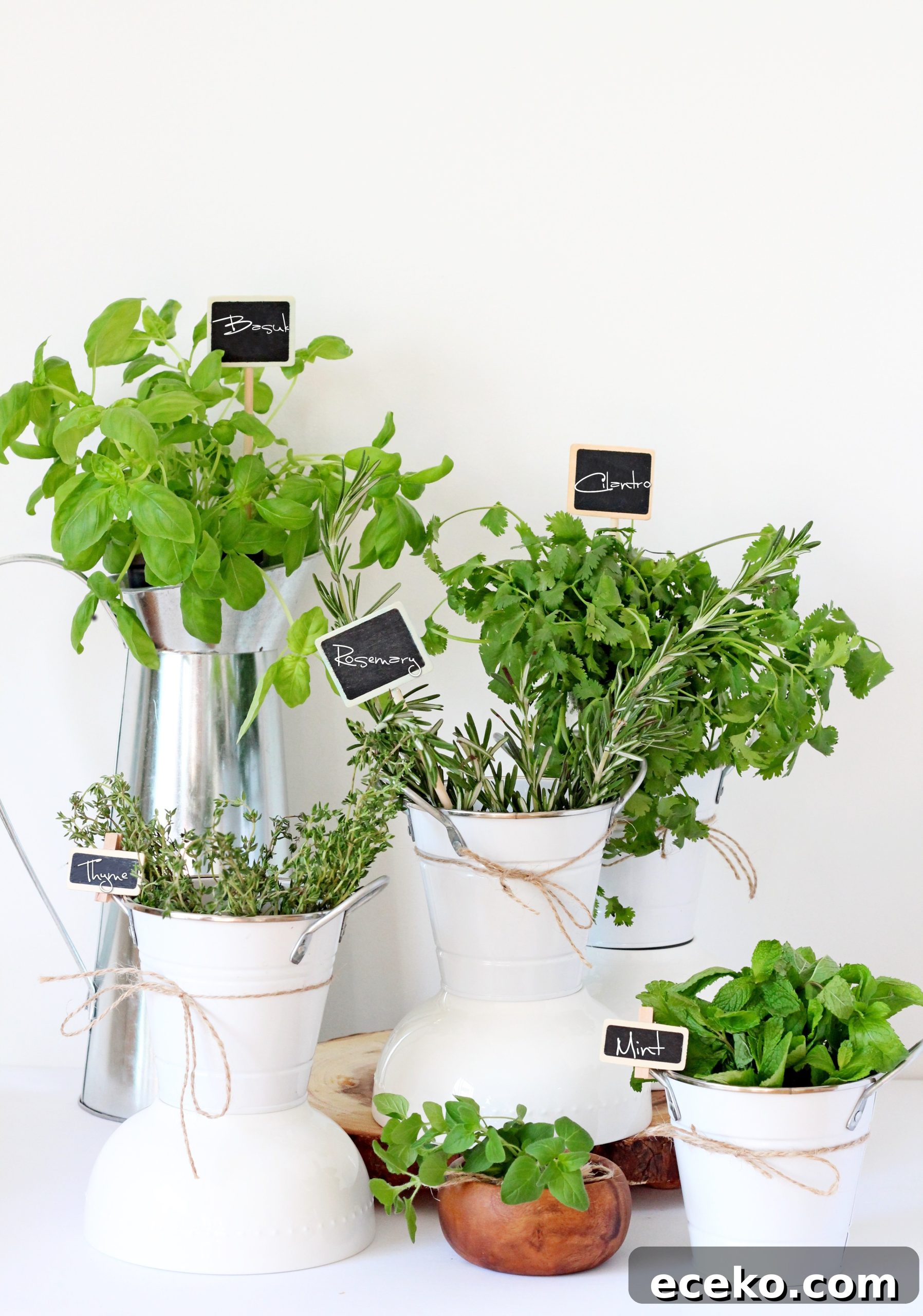
GROWING HERBS IN CONTAINERS OR POTS
Container gardening is ideal when space is limited. Herbs will grow in most containers as long as there is good drainage. Terra cotta is excellent, but plastic, wood or metal pots work too. If using nontraditional containers, add drainage holes and a drip plate for indoor use. Plant herbs separately or combine compatible varieties in larger pots, taking care not to overcrowd them so each plant can thrive.
LET’S PLANT
Before adding soil, place a layer of rocks, gravel or Styrofoam pellets in the bottom quarter of the container to improve drainage and reduce weight. Broken terra cotta shards also work well. Fill the container with a quality potting mix, leaving about 2 inches from the rim for watering. Most herbs need only light fertilization, but potted herbs benefit from occasional feeding during the growing season. Container-grown herbs dry out faster than those in the ground, so check moisture regularly.
I hope these tips inspire you to start your own herb garden. If you buy already-grown plants, you’ll see results almost instantly. Early summer is a great time to plant—enjoy your fresh herb-filled garden and the delicious meals it will bring.