We began harvesting last week — soybeans are already in, with corn to follow in the coming weeks. Our sweet corn harvest finished earlier in the season.
That photo is from a few years ago, when my son would spend long days riding in the combine during harvest. These days, school, swimming and football cut into his combine time. Our corn and soybeans aren’t sold in grocery stores — aside from our one acre of sweet corn. Even that small sweet corn patch isn’t sold at retail because selling through grocery stores requires meeting many regulations and a much larger volume than we produce.
By the way, not all corn is the same.
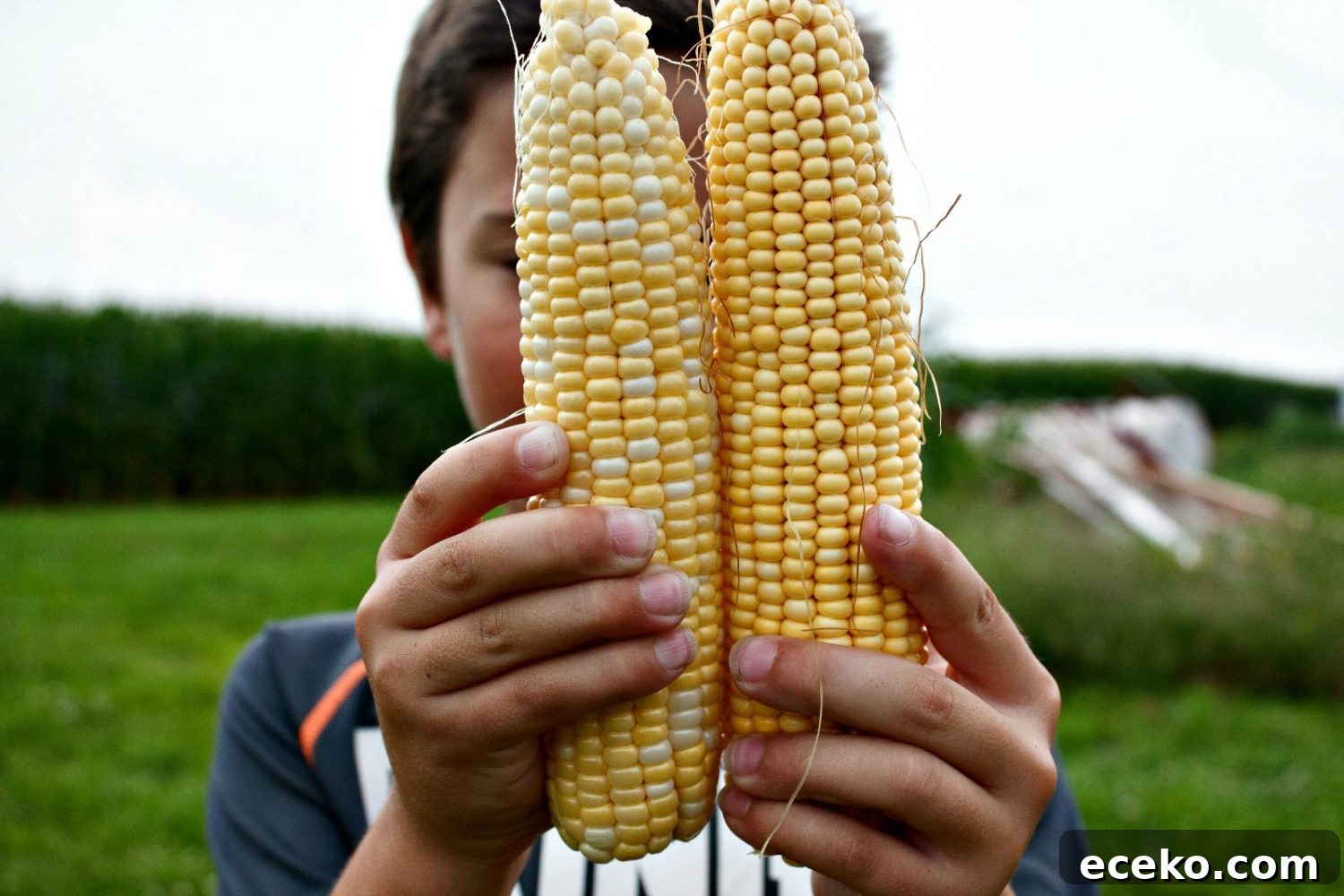
Recently, Angie and her son visited the farm. We showed them the pigs, the calf and the chickens, but we spent most time talking about corn. The right-hand field in the photo is field corn — not for eating fresh on the cob. The left-hand rows are sweet corn, meant to be eaten on or off the cob in its whole form. We sent Angie and her son home with sweet corn, tomatoes and other goodies, but not with any field corn.
We plant one acre of sweet corn and many acres of field corn. So where does all that field corn go if not to grocery produce aisles?
We sell it to other farmers — specifically livestock producers who use it for animal feed. For example, cattle and pigs are often fed diets that include field corn during certain life stages.
We also use some of our corn to feed our own small herd of pigs. We only raise a few pigs a year, and we typically lose money on that side of the farm. But the real value for our family is the hands-on lessons: kids learning to scoop manure, care for animals and understand the effort required to raise livestock.
This year we raised four pigs. One was kept as a breeding sow; the other three were sold for meat. So, while we produce pork, we don’t always keep it all for ourselves.
Let’s talk dairy.
It’s ironic to discuss where food can be sourced right after a night spent listening to our Jersey heifer bawl — she was in heat and didn’t make for a quiet night. A heifer, a female that hasn’t calved yet, will enter milk production after she calves. We plan to breed this heifer in about nine months; she’ll calve roughly nine months after breeding and then begin producing milk. We no longer milk cows on our farm, so she’ll likely end up at a dairy that milks cows commercially. If her milk is bottled by a processor like Dean Foods in a couple of years, there’s a chance your carton of milk could include milk that started on our farm.
At the moment, this heifer doesn’t produce milk for us or for you.
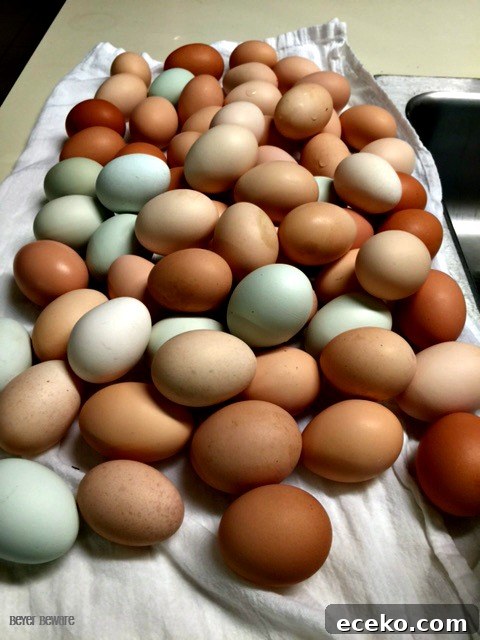
Right now, the most accessible product from our farm that you could buy today is eggs. We have an egg license that allows us to sell up to 1,000 dozen per year, and we’re well under that limit. Our hens are heading into a molt, so egg production is down temporarily while they renew their feathers and prepare to lay more efficiently again. Still, we have eggs available.
 Because we produce only a limited number of items that can be sold directly to consumers — either due to scale or crop type — buying directly from our farm isn’t always feasible. If you want to support local farmers, a good option is to shop at your grocery store. Most of the meat and many other products sold in grocery stores come from farms in your state or region.
For example, when one of our pigs was sold at a county fair and processed, that meat likely ended up on store shelves in stores around Indiana. So that ground pork you buy at a supermarket may have originated on farms like ours. When buying meat, pay attention to meat grade and quality — those tell you more about the product’s characteristics than the farm label alone.
Another market for corn is ethanol — both fuel-grade and food-grade. Some ethanol plants produce fuel, while others produce food-grade alcohol used in beverages and spirits. In Indiana, there are multiple fuel ethanol plants and at least one food-grade ethanol plant that produces products such as vodka.
Farmers are people who work hard at their jobs, contribute to their communities and care about producing good food. Farm size doesn’t define the people behind the work: larger operations aren’t automatically “corporate” and smaller farms aren’t automatically “family-run.” When you buy food, feel confident that you are supporting farmers in your region — even when you shop at large grocery chains. Your purchases help sustain the local agricultural community.