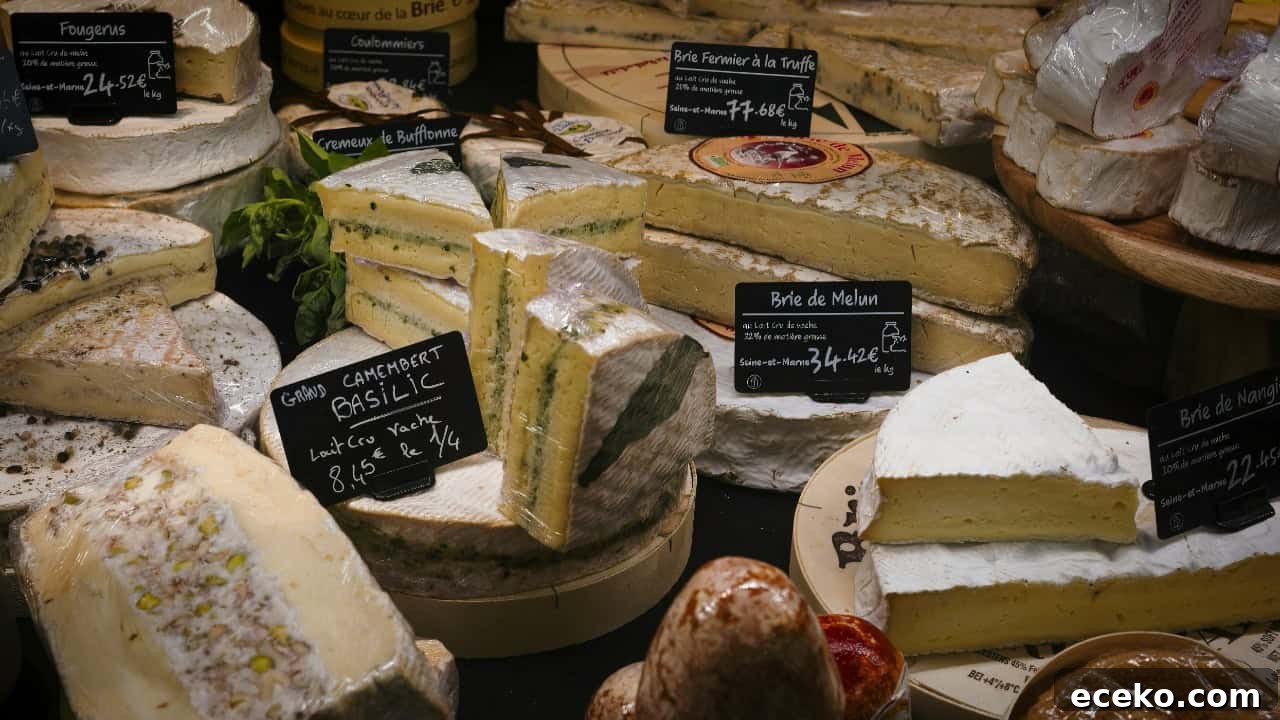
Choosing a French cheese like a local means appreciating the variety, history, and seasons that shape France’s cheese culture. With thirteen recognized cheese regions, each producing distinctive flavors and styles, selecting the right cheese is a mix of curiosity, timing, and trusted advice. From regional specialties protected by traditional rules to seasonal wheels that shine at particular times of year, understanding these factors helps you shop and taste with confidence.
Table of Contents
Toggle
Understand the Cheese Regions of France
France’s cheeses are inseparable from their places of origin. The country’s regions each cultivate specific techniques, breeds, and milk qualities that shape local specialties. Regional identity is often reinforced by protected designations, which link a cheese to its traditional production area and methods. This means that regional names aren’t just labels: they signal a particular taste profile and a way of making cheese handed down over generations. Sampling regional cheeses—such as Normandy’s creamy varieties or the strong blues of Auvergne—helps you recognize these signatures and choose cheeses that match your preferences.
Learn the Seasonal Availability of Cheeses
Many traditional French cheeses are at their peak only during certain months, driven by animals’ lactation cycles and seasonal pastures. Some cheeses, like Mont d’Or, are traditionally produced and sold during cooler months and are prized for their creamy, spreadable texture when baked. Spring often brings lively, fresh goat cheeses with bright, tangy notes that contrast with the richer cheeses favored in winter. Learning a cheese’s season allows you to taste it when its texture and flavor are most expressive, rather than choosing from a stagnant shelf year-round.
Visit Local Fromageries for Expert Advice
Fromageries are essential stops for anyone who wants to learn like a local. Staffed by knowledgeable cheesemongers, these shops offer curated selections and personalized guidance: tasting suggestions, serving tips, and storage advice. A good fromagerie will help you explore textures and milk types—cow, goat, sheep—and recommend cheeses that suit your palate or menu. Visiting a specialist also offers an opportunity to ask about provenance, aging, and the best way to present each cheese, which makes shopping more enjoyable and informed.
Pair Cheese with Appropriate Wines
Pairing cheese with wine enhances both elements and creates harmonious tasting experiences. Regional pairings are a helpful starting point—wines produced near a cheese’s origin often complement its flavor. For example, nutty, aged cheeses work well with structured whites or oxidized styles, while soft, creamy cheeses pair nicely with lighter reds or crisp whites. The goal is balance: match intensity and texture so neither the wine nor the cheese overwhelms the other. Experimenting with pairings helps you learn why certain combinations feel “right” and refines your instincts for future choices.
Participate in Cheese Tasting Events
Cheese fairs and tasting events are excellent places to expand your palate quickly. These gatherings bring producers, affineurs, and cheesemongers together, offering the chance to sample many varieties side by side and hear directly from people who make or age the cheeses. Local festivals and industry salons showcase both regional classics and emerging producers, and they provide context about production methods and terroir. Attending tastings accelerates learning and often reveals surprising favorites you wouldn’t have discovered otherwise.
Choosing French cheese like a local combines awareness of region, season, expert guidance, thoughtful pairings, and hands-on tasting. By exploring fromageries, learning seasonal calendars, and sampling at events, you’ll develop the confidence to pick cheeses that suit your tastes and occasions—whether you want a creamy table cheese, a sharp aged wedge, or a delicate fresh chèvre.