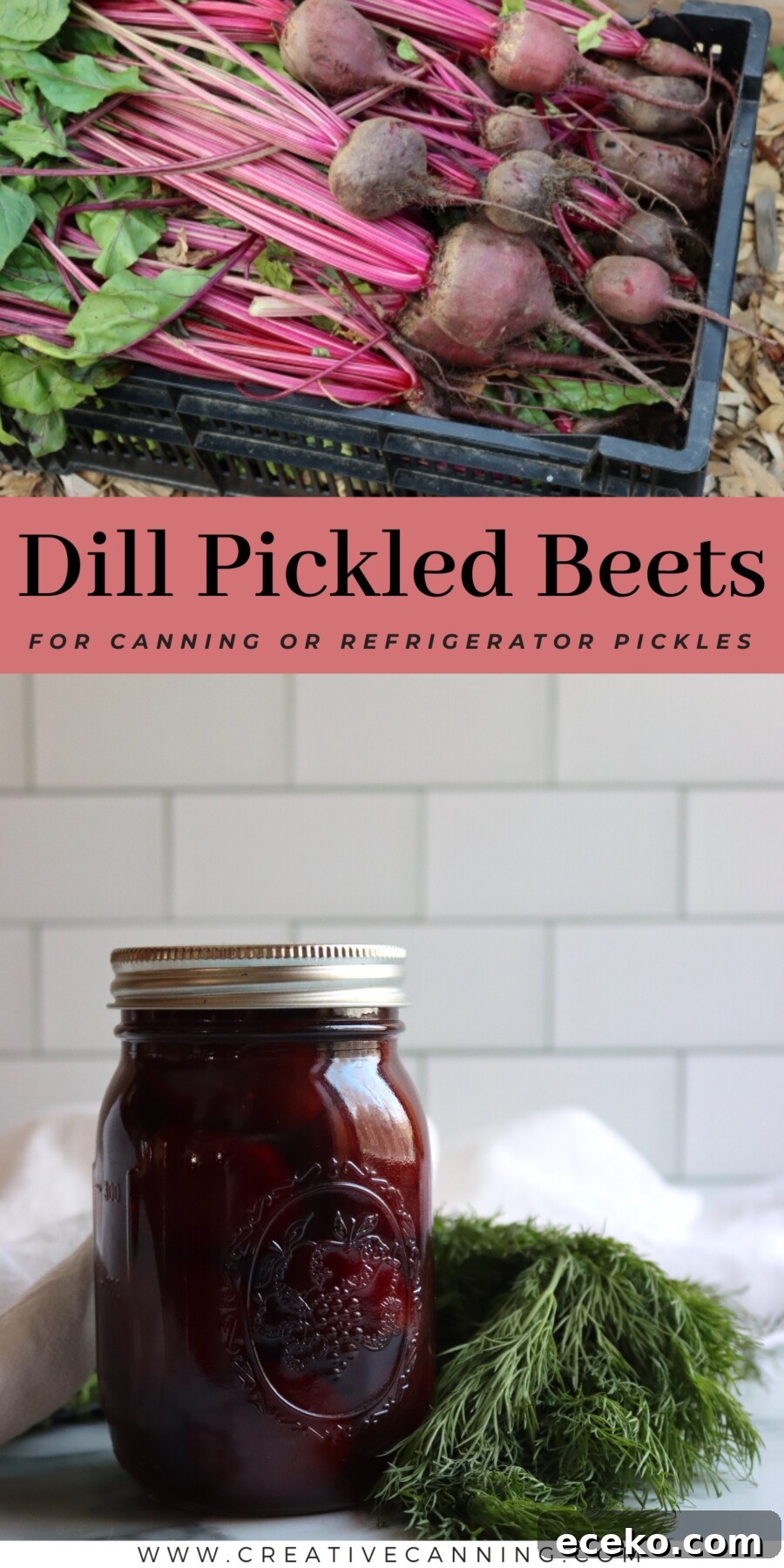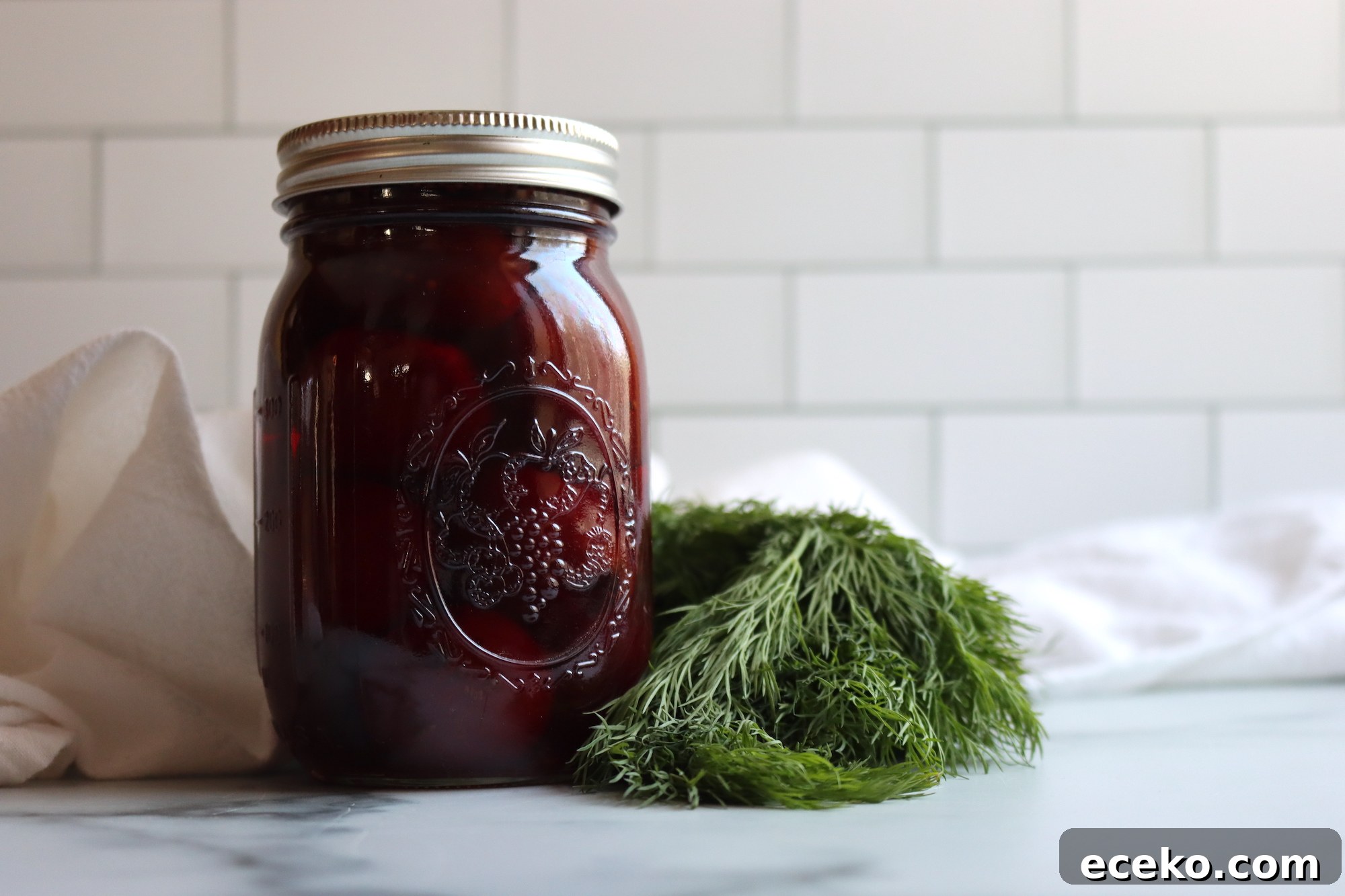
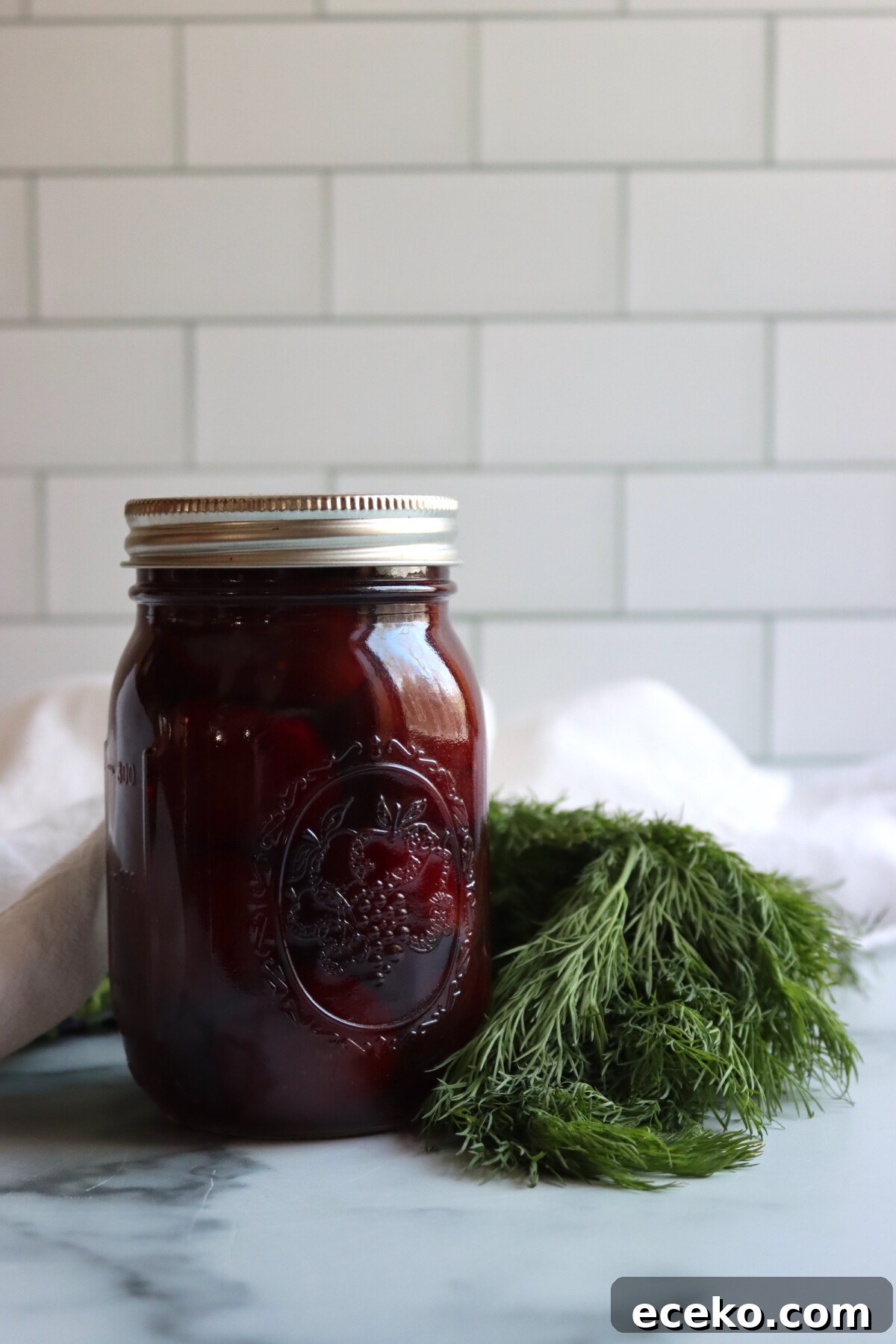
Dill Pickled Beets are a bright, sweet-tangy way to preserve a small batch of beets. Fresh dill weed and dill seed give the jars a familiar dill-pickle flavor that complements the earthy sweetness of the beets.
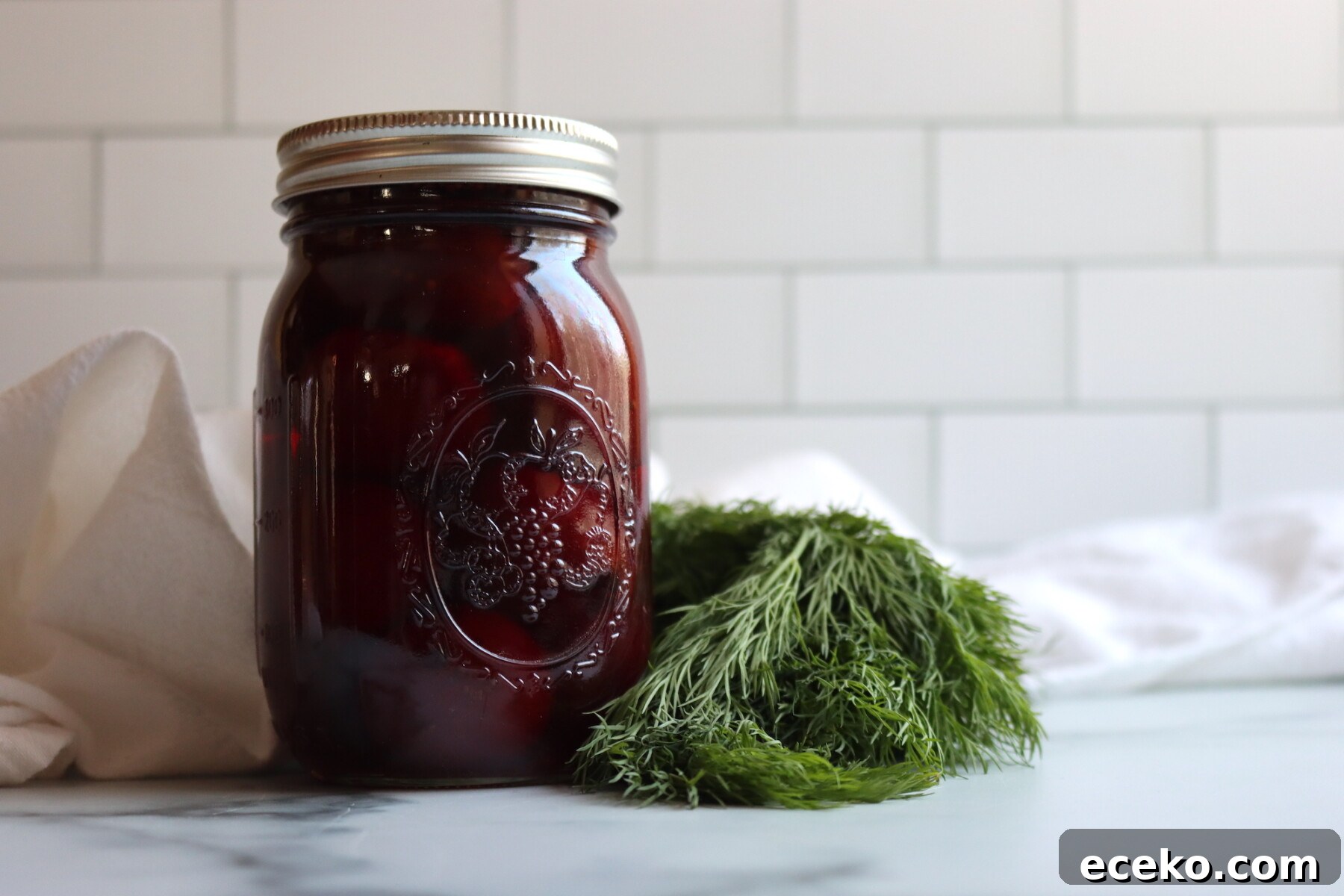
This recipe has been reviewed for safety and accuracy by a Master Food Preserver certified through the University of Cornell Cooperative Extension.
This adaptation comes from Sherri Vinton’s Put ’Em Up!, a great resource for practical small-batch preserving. These are vinegar pickles (not fermented) and can be made either as refrigerator pickles for short-term use or processed in a boiling-water canner for shelf-stable storage.
Why you’ll love this Dill Pickled Beets recipe!

This recipe sits at the sweet spot between traditional pickled beets and classic dill pickles. The beet flavor remains front-and-center, while dill seed adds the concentrated, old-school deli pickle note that feels fresh when paired with beets instead of cucumbers.
It’s an easy small-batch project—cook the beets, prepare a quick brine, and you’ll have a few pints that elevate salads, sandwiches, and potato dishes.
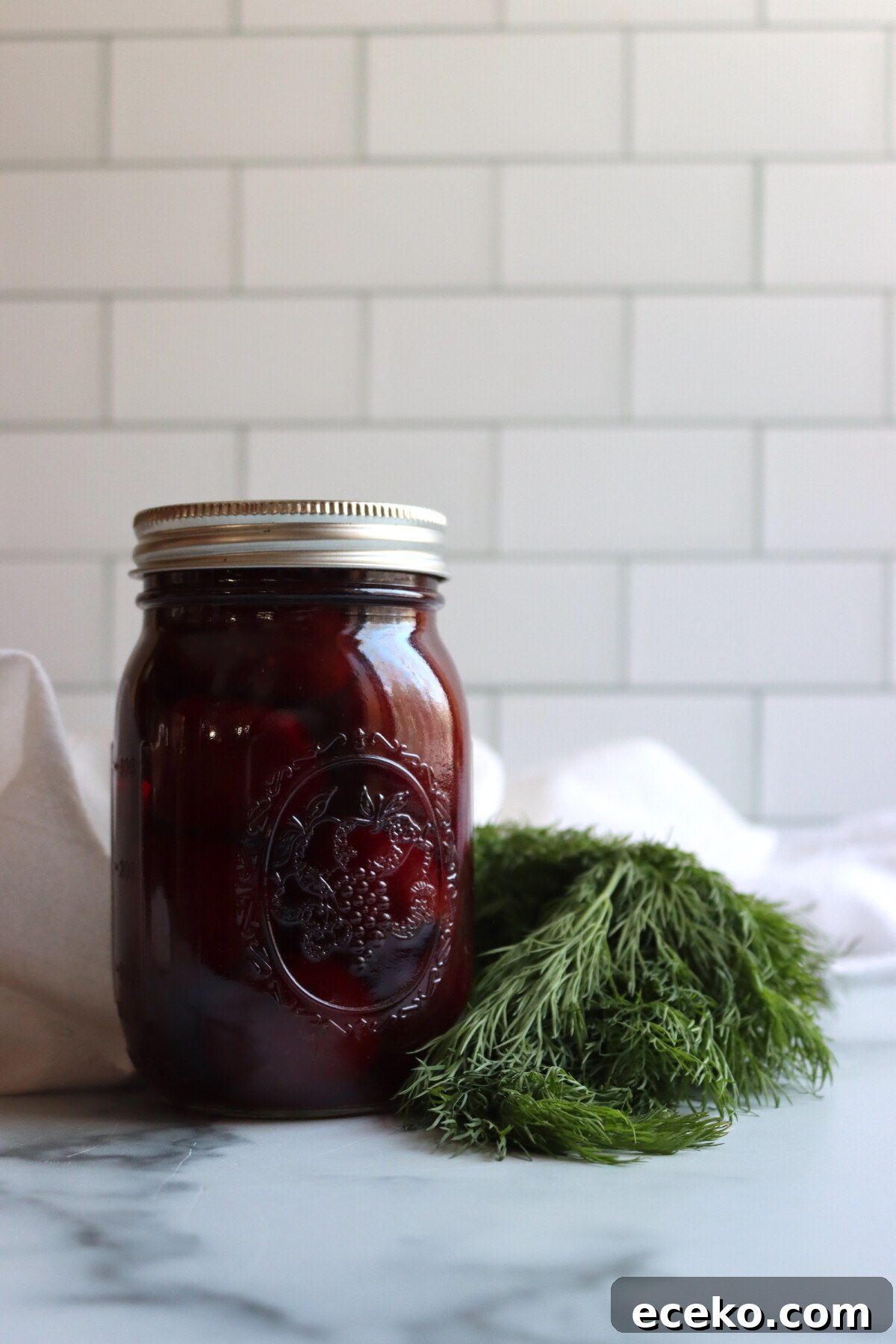
A Quick Look at the Recipe
- Recipe Name: Dill Pickled Beets
- Recipe Type: Vegetable pickles
- Canning Method: Waterbath canning (optional)
- Prep/Cook Time: 60 to 90 minutes
- Canning Time: 30 minutes
- Yield: 3 pints
- Jar Sizes: Quarter pint, half pint, or pint
- Headspace: 1/2 inch
- Key Ingredients: Beets, vinegar, sugar, salt, fresh dill, dill seed
- Safe Canning Source: Based on guidance from the University of Georgia Extension
- Difficulty: Easy — most work is cooking and prepping the beets
Ingredients for Pickled Beets with Dill
The ingredient list is short but purposeful. Beets bring sweetness and texture, vinegar provides bright acidity, sugar balances the tang, and dill (weed and seed) gives the jars their characteristic pickle aroma and flavor.
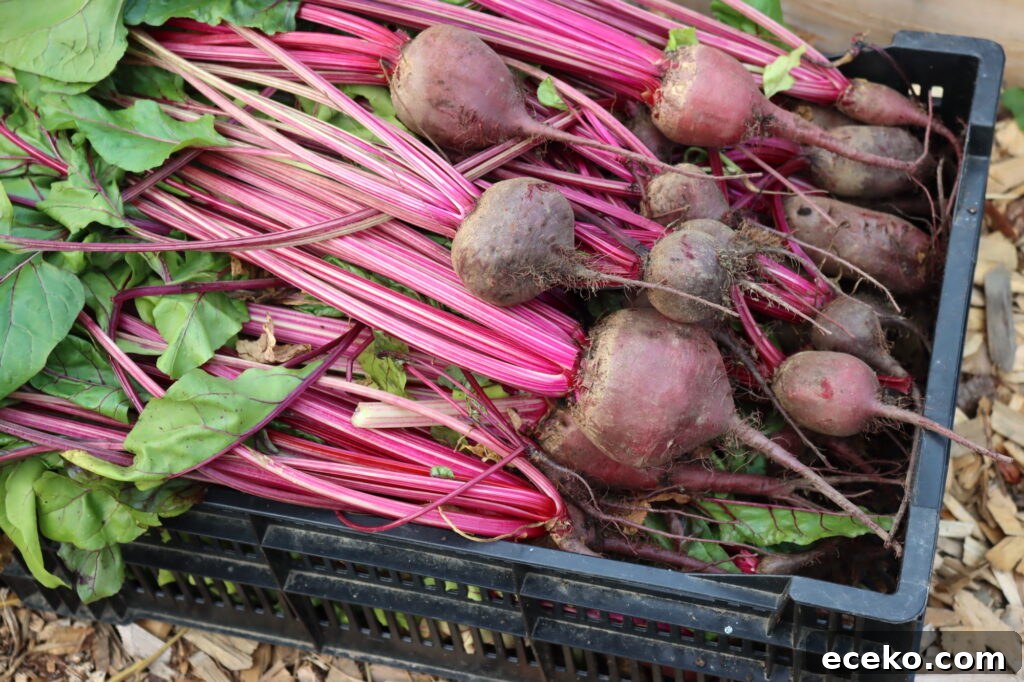
- Beets: Choose small, firm beets. Small beets are sweeter and less likely to be stringy; cook them until nearly tender so they hold their shape in the jar.
- Distilled white vinegar: Use a vinegar standardized to 5% acidity for safe pickling. Apple cider vinegar at 5% acidity is an acceptable substitute for a milder flavor.
- Water: Dilutes the vinegar to keep the brine balanced—do not increase water beyond the recipe ratio.
- Sugar: Balances the vinegar and enhances beet sweetness without making the pickles cloying.
- Salt: Highlights flavor and gives the brine the familiar savory note.
- Fresh dill weed: Adds fresh herbal brightness; optional if unavailable.
- Dill seed: Supplies the classic dill-pickle flavor that completes the jar.
If you don’t have fresh dill, dried dill can be used, though the bright herbaceous note will be less pronounced. Keep the vinegar-to-water ratio unchanged for safety and consistency.
How to Make Pickled Beets
Overview: cook beets until nearly tender, prepare a hot dill brine, pack jars with beets and dill, pour hot brine, then either refrigerate or process in a boiling-water canner for shelf stability.
Preparing the Beets
Cook beets by boiling or roasting until nearly tender—timing depends on size and age but is usually 20–30 minutes. Aim for beets soft enough to slice cleanly but not mushy. Cool slightly, slip off skins, trim ends, halve and slice into 1/4-inch rounds so they pack evenly. Small beets (about 1–1.5 inches diameter) may be left whole.
Making the Brine
Combine the vinegar, water, sugar, and salt in a nonreactive saucepan. Bring to a boil, stirring until the sugar and salt dissolve. Remove from heat as soon as it boils—the brine only needs to be hot and well mixed to pour easily into jars.
Preparing Jars and Getting Set Up
If canning, heat a boiling-water canner and keep jars hot. Use clean jars for refrigerator pickles as well, but hot jars make the temperature change gentler when you add hot brine.
Packing the Jars
Pack sliced beets into clean, hot pint jars so they sit snug but not overly tight. Leave about 1 inch of headspace above the solids so the brine will cover them fully once the final headspace of 1/2 inch is set. Divide fresh dill and dill seed among jars, tucking sprigs between beet slices for even distribution.
Adding the Hot Brine and Setting Headspace
Pour the hot brine over the beets until the liquid covers them and the final headspace measures 1/2 inch. Slide a bubble remover or a nonmetal utensil around the jar to release trapped air, recheck headspace, add more brine if necessary, wipe rims clean, apply lids, and tighten bands fingertip-tight.
Choosing Your Preservation Method
For refrigerator pickles: allow jars to cool, then refrigerate for up to 3 weeks. The flavor improves after a few days.
For shelf-stable storage: process jars in a boiling-water canner following the canning instructions and altitude adjustments. After processing, rest jars briefly in the canner, cool undisturbed, check seals, and store sealed jars in a cool, dark place.
Canning Pickled Beets with Dill
Heat jars in a boiling-water canner while you pack them. Ensure 1/2 inch headspace after adding hot brine, remove air bubbles, wipe rims, and apply lids and bands.
Process pint jars in a boiling-water canner for 30 minutes for pints or quarts (adjust for altitude—see notes below). When processing finishes, turn off heat, remove the canner lid, and let jars sit in the hot water for 5 minutes before removing to cool. Allow jars to cool undisturbed for 24 hours, check seals, and store sealed jars for up to one year in a cool, dark place.
Refrigerator jars should be cooled, covered, and kept in the fridge for up to 3 weeks.
Altitude Adjustments
Adjust processing time for elevation as follows:
- Under 1,000 feet: 30 minutes (pints/quarts)
- 1,001–3,000 feet: 35 minutes (pints/quarts)
- 3,001–6,000 feet: 40 minutes (pints/quarts)
- Above 6,001 feet: 45 minutes (pints/quarts)
Serving Ideas
These pickled beets pair especially well with potato dishes—potato pancakes, hash, roasted potatoes, or potato salad. They’re also great chopped into egg salad, tossed into grain bowls, or served alongside richer foods with a dollop of sour cream or creamy dressing. A spoonful next to a sandwich or a hard-boiled egg brightens a simple lunch plate.
Pickled Beet FAQs
Using both gives the best depth of flavor, but dill seed provides the more classic pickle note. If using one, prioritize dill seed.
They’re ready quickly, but the flavor is best after a few days. For canned jars, allow at least a week for flavors to meld.
Yes. Boiling is quicker and simpler; roasting concentrates the beet flavor slightly.
Vegetable Pickling Recipes
Pickled Dilly Beans (Dill Pickled Green Beans)
Pickled Banana Peppers
Canning Sauerkraut
If you tried this Dill Pickled Beets Recipe, leave a star rating and let me know what you think in the comments below!
Stay in touch by following on social media.
Dill Pickled Beets
Rate
Equipment
-
Water bath canner (if canning)
Ingredients
- 2 lbs beets
- 1 cup white vinegar, or cider vinegar, 5% acidity
- 1/2 cup water
- 1/2 cup sugar
- 1 1/2 tsp salt
- 1/4 cup fresh dill weed
- 3 tsp dill seed, 1 tsp per pint jar
Instructions
- Cook the beets (boil or roast) until nearly tender, usually 20–30 minutes depending on size.
- Cool slightly, slip off peels, and trim stem and root ends.
- Halve and slice beets into 1/4-inch rounds; small beets under 1 1/2 inches may be left whole.
- Combine vinegar, water, sugar, and salt in a nonreactive saucepan. Bring to a boil, stirring until dissolved, then remove from heat.
- Pack beets into clean, hot jars, dividing dill weed and dill seed among jars. Leave about 1 inch headspace above the solids so the brine will cover the beets.
- Pour hot brine over the beets, leaving 1/2 inch final headspace. Remove air bubbles, wipe rims, apply lids, and tighten bands fingertip-tight.
- For water-bath canning: process pint jars in a boiling-water canner for 30 minutes (adjust for altitude). Turn off heat, remove lid, and let jars rest 5 minutes before removing. Cool 24 hours, check seals, and store sealed jars in a cool, dark place for up to 1 year.
- For refrigerator pickles: allow jars to cool, cover, and refrigerate for up to 3 weeks.
Notes
Altitude Adjustments
The altitude adjustments for water bath canning Dill Pickled Beets are as follows:
- Under 1,000 feet: 30 minutes for pints and quarts.
- 1,001 to 3,000 feet: 35 minutes for pints and quarts.
- 3,001 to 6,000 feet: 40 minutes for pints and quarts.
- Above 6,001 feet: 45 minutes for pints and quarts.
Nutrition
Nutrition information is automatically calculated and should be used as an approximation.
Like this? Leave a comment below!
Root Vegetable Canning Recipes
Canning Sausage Potato and Kale Soup (Copycat Zuppa Toscana)
Canning French Fries
Canning Beef Pot Pie Filling
Find the perfect recipe
Searching for something else? Enter keywords to find the perfect recipe!