
Once you discover how simple it is to dry lemon zest at home, you’ll start saving the rind every time you squeeze a lemon.
Dried lemon zest is incredibly useful: I keep it on hand for dressings, marinades, baking and seasoning. It stores easily and gives you a concentrated lemon flavour whenever you need it.
Combine dried citrus zest with flaky sea salt for a bright citrus salt, grind it into a fine lemon peel powder with a spice grinder, or use it to make homemade lemon pepper. It also works well as a one-to-one replacement for fresh zest in most recipes—use about half the amount of dried zest since it’s more concentrated.
Don’t limit yourself to lemons: mandarins, clementines, grapefruits and limes can all be dried the same way. Mix different citrus zests for layered, complex flavours while winter citrus is abundant.

Why you’ll love homemade dried lemon zest
Drying lemon rind extracts every bit of citrus aroma from fresh lemons and prevents waste. A jar of dried lemon zest is handy in the pantry and makes last-minute flavouring effortless.
If you have many lemons, the oven method makes it quick to dry a large batch. If you only have the zest from one lemon, you can air-dry it in a sunny spot or speed the process with residual oven heat after cooking.
Tip: Keep a labelled jar of dried lemon zest in the spice cabinet and top it up with new batches. Properly stored, it keeps well for up to a year, though flavour is best within three months.
See the recipe card for concise oven and air-drying instructions, or read on for more tips and uses.
How to make dried lemon zest (or lemon peels)
Start by cleaning the lemons, especially shop-bought ones that often have a wax coating. After cleaning, remove the yellow peel with a zester, microplane, fine grater or a sharp pairing knife, and dehydrate the peel in the oven, a dehydrator or a warm, ventilated spot indoors.
- Step 1: Wash and dewax shop-bought lemons
- Step 2: Zest or strip the lemon peel
- Step 3: Dry the lemon zest or peels
Clean your lemons before zesting
Homegrown or unwaxed organic lemons can be rinsed under tap water to remove dust. Most store-bought lemons, however, are coated in a thin wax to preserve appearance, and it’s best to remove that coating before zesting.
The easiest way to remove wax is with hot water. Place the lemons in a colander and pour recently boiled water or very hot tap water over them, then scrub with a vegetable brush and rinse with cool water. Dry with a clean towel.
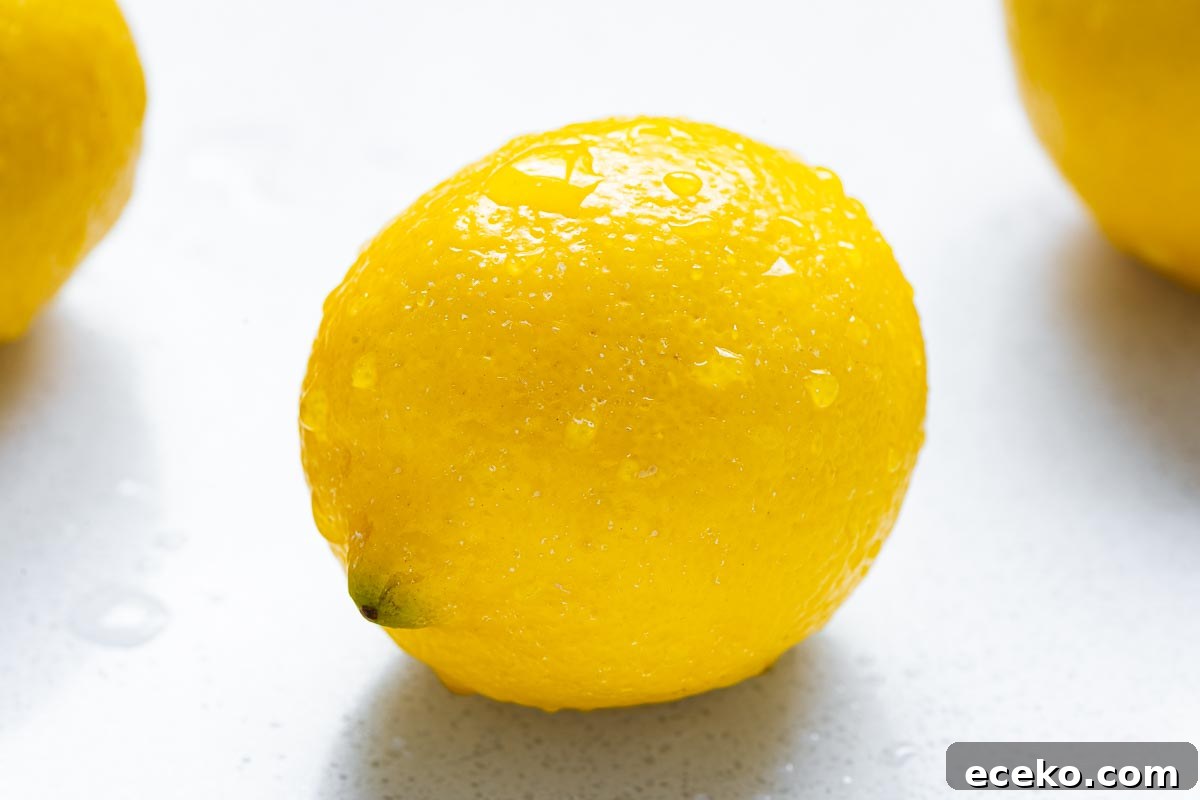
How to dewax a lemon
Pour hot water over the fruit in a strainer, scrub with a stiff brush and rinse. Rub dry with a towel before zesting.
How to peel or zest a lemon for drying
A Microplane zester gives fine, even zest, but a cocktail zester, the fine side of a box grater or a vegetable peeler also work. Try to remove mostly the coloured peel and avoid the white pith, which is bitter.
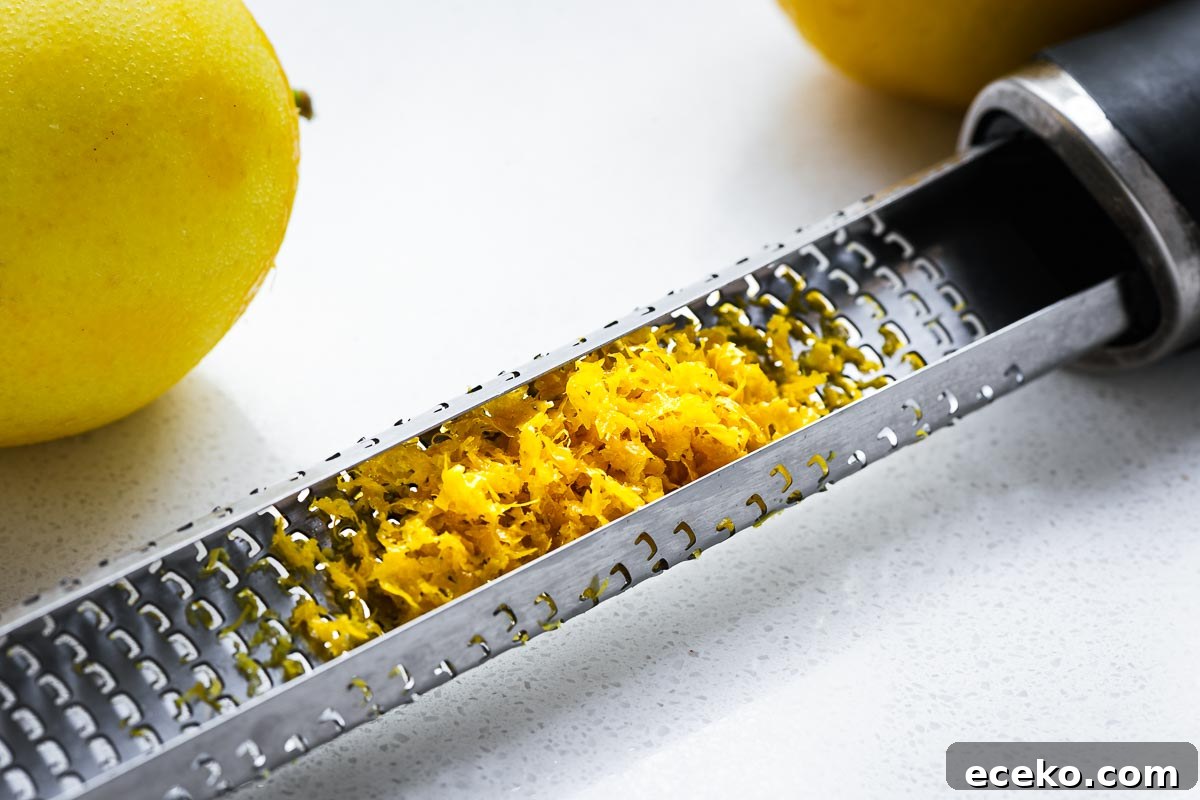
You can zest any citrus—mandarins, clementines, grapefruit or makrut limes—and dry them the same way to create custom citrus blends.
If you don’t have a zester, use a sharp pairing knife to peel the yellow skin in strips, then scrape away most of the white pith with the knife’s edge. Large peel pieces dry more slowly than finely grated zest; whole rinds can take two to three hours in the oven, while fine zest dries much faster.
How to dry lemon zest or lemon peel
Spread zest or peel in a single layer on a parchment-lined baking sheet.

You can air-dry the zest or use the oven or a dehydrator. Drying time ranges from 30 minutes for thin zest in a hot oven to a week for air-drying in humid conditions.
Oven-dried lemon zest (or peel)
Preheat the oven to 170°F (75°C) fan. If your oven has no fan, set it to about 200°F (95°C) or the lowest setting available and monitor closely.
Place the tray in the centre of the oven, check after 30 minutes and stir. Continue checking every 10 minutes until the zest is fully dry and slightly darker in colour but not brown. Finely grated zest typically finishes in 40–60 minutes; whole peel strips can take 2–3 hours—check them every 20 minutes until they are hard and no longer bendy.

Air-dried lemon zest
Air-drying suits fine zest best. Leave the parchment-lined tray in a well-ventilated, warm spot inside and stir the zest every day until dry—this can take about a week depending on humidity.
You can speed up air-drying by placing the tray in a turned-off oven that still retains heat after cooking; repeat as needed until the zest is thoroughly dry.
How to make dried lemon peel powder
Place dried zest or peel in a spice grinder and pulse until it reaches the desired texture, from coarse flakes to a fine powder.
How long does dried lemon zest last?
Store dried zest, peel or powder in an airtight container in a dark, dry place at room temperature. It can keep for up to a year, but the flavour is brightest within three months.
If any mould appears, discard the batch—mould indicates the peel was not fully dried. Dry for longer next time to avoid this.
How to use dried lemon zest
Dried lemon zest is versatile—use it anywhere you’d use fresh zest. Because it’s concentrated, start with about half the amount you would use for fresh zest.
Citrus salt
Mix dried lemon zest with flaky sea salt for a simple, fragrant citrus salt. A good ratio is 1 part dried zest to 2 parts salt. Try combining zests from different citrus for a more complex salt. Pack in small jars for gifts and use within six months for best flavour.
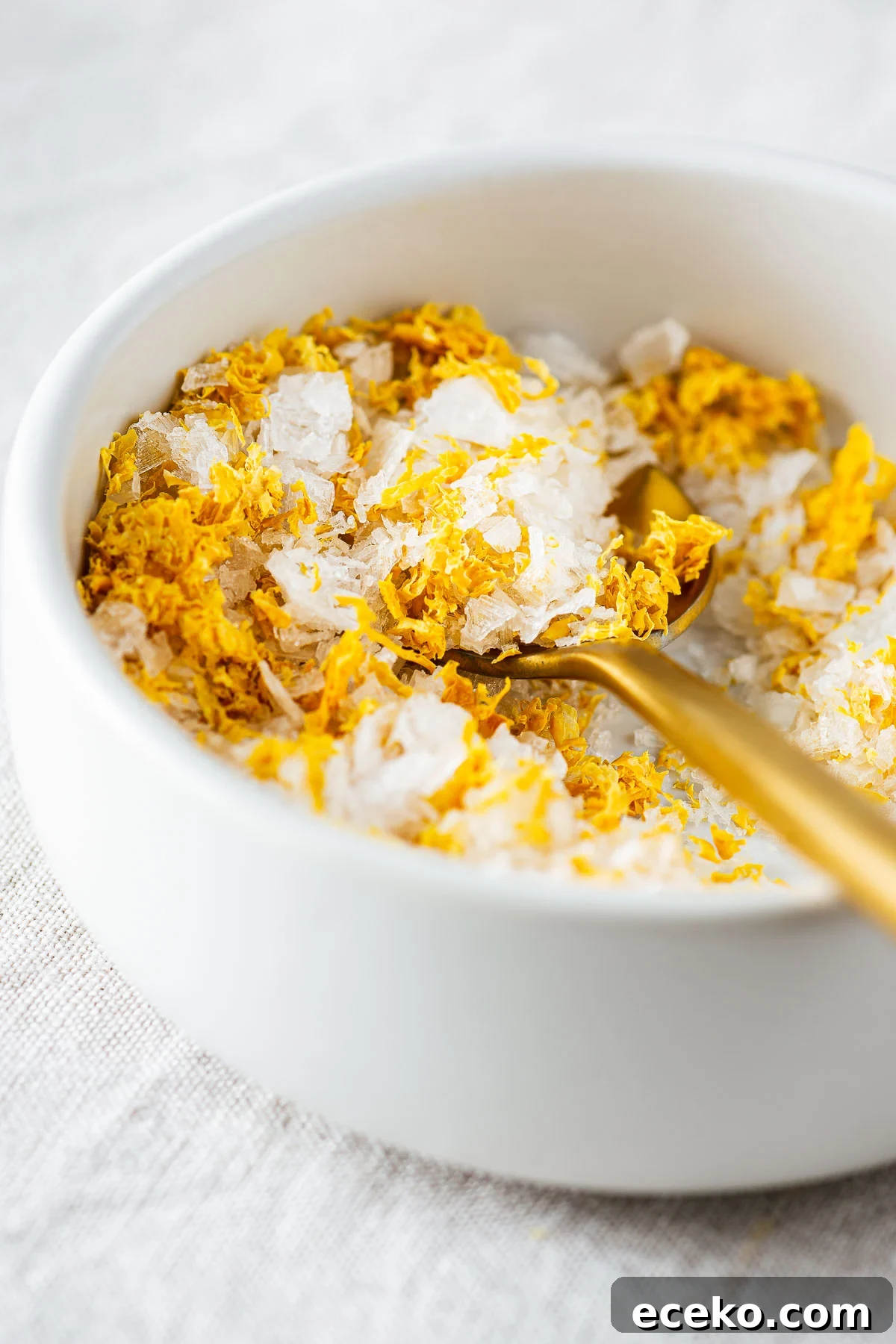
Lemon pepper seasoning
Combine the dried zest from about five lemons (roughly two heaped tablespoons of dried zest) with two tablespoons of whole black peppercorns and two teaspoons of salt in a grinder. Pulse to your preferred texture—coarse or fine.
Drinks garnish
Use whole dried lemon peel to garnish cocktails like a gin and tonic or add a strip to sparkling water. For a citrus-salt cocktail rim: mix dried zest and salt on a plate, wet the glass rim, then press and twist the rim into the mixture until coated.
Salad dressings
Dried lemon zest brightens any dressing. Try a quick lemon and herb dressing:
- ½ cup olive oil
- 2 tablespoons wine vinegar (red or white)
- ½ teaspoon dried Italian seasoning (or 3 teaspoons chopped fresh herbs)
- 1 teaspoon dried lemon zest
- ½ teaspoon salt
Shake all ingredients in a jar with a tight lid and adjust acidity and salt to taste. Drizzle over green salads, grain salads or potato salads for a fresh, citrus lift.
Add dried lemon rind everywhere!
Substitute dried lemon zest for fresh in most recipes at roughly half the amount. Sprinkle it over salads, grain bowls, roasted vegetables or finishing dishes that need a burst of lemony brightness.

How to Dry Lemon Zest
Ingredients
- 4 lemons*
Instructions
-
Preheat the oven to 170 °F (75 °C) fan, or use the lowest oven setting if you don’t have a fan-assisted oven.
-
If lemons are waxed, rinse with just-boiled water or very hot tap water and scrub with a vegetable brush to remove wax. Skip this step for unwaxed organic or homegrown lemons.
-
Zest using a Microplane or the fine side of a box grater, or peel strips with a vegetable peeler. Try to remove mostly yellow peel and keep pith to a minimum.
-
Spread zest or peels in a single layer on a parchment-lined baking sheet and place in the centre of the oven.
-
Check after 30 minutes, stir and return to the oven if needed. Continue checking every 10 minutes until dry. Fine zest usually takes 40–60 minutes; whole peel strips take about 2–3 hours—monitor until fully dried but not browned.
-
To make powder, grind dried zest or peels in a spice grinder until you reach the desired texture.
-
Store dried zest, peels or powder in an airtight container in a cool, dark place for best quality.
Notes
- Use as many lemons as you have—one lemon’s zest can be air-dried, while four small lemons yield about two tablespoons of dried zest.
- If you don’t have a fan oven, increase the oven temperature to around 200 °F (95 °C) and watch closely.
- For air-drying, place the tray in a warm, well-ventilated sunny spot and stir every few days until shrivelled; it usually takes about a week depending on humidity.
- Boost air drying with residual oven heat by placing the tray in a turned-off, still-warm oven until the zest is fully dry.