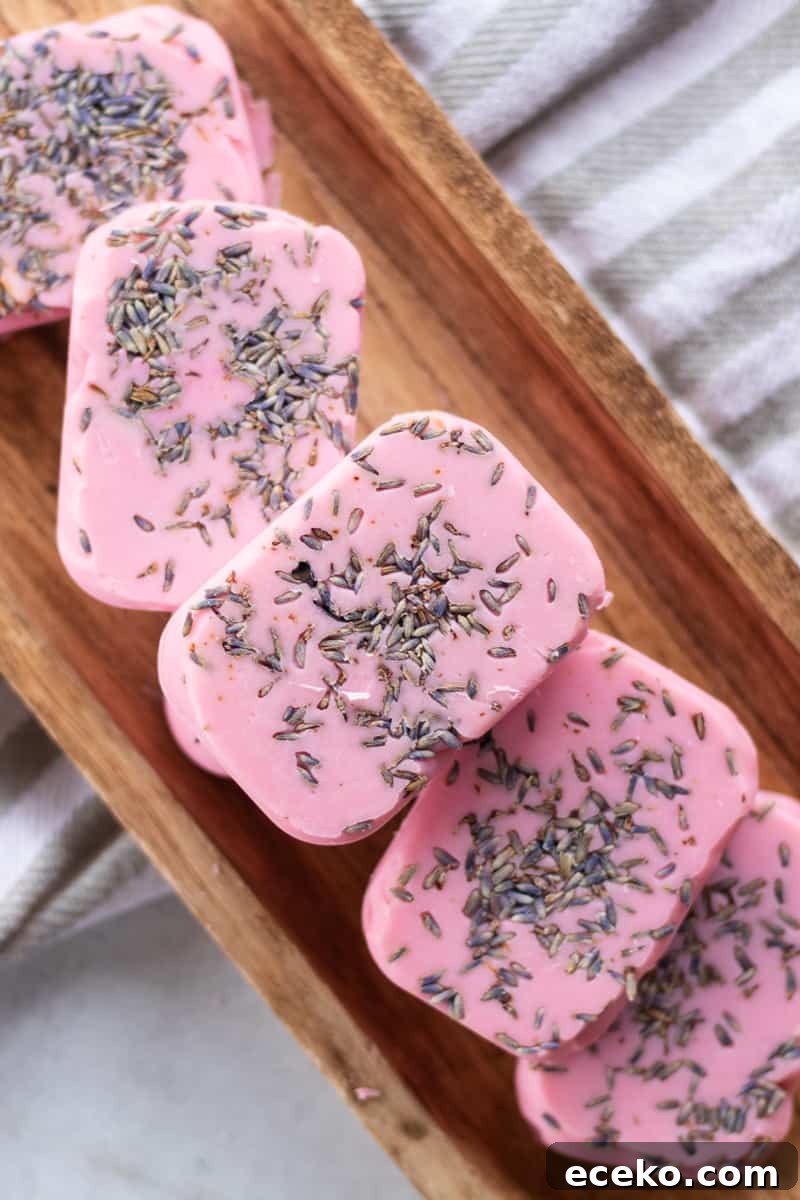
Pamper yourself or a friend with the soothing scent of this homemade lavender soap. These gentle bars moisturize skin while offering the calming aroma of lavender essential oil.
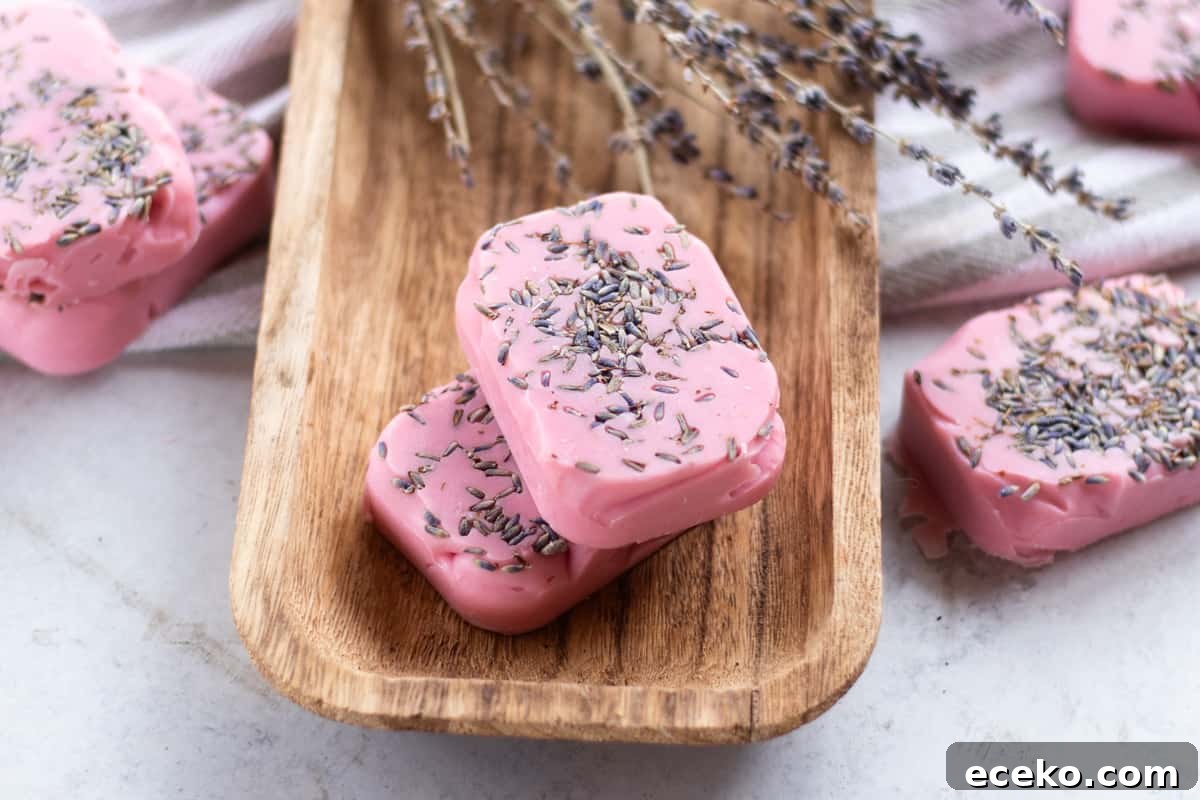
When I first started making soap at home, the cold-process method felt intimidating because of the lye. After making many melt-and-pour bars, I finally tried cold process with recipes like chamomile and coconut milk soap. With basic safety precautions, cold process is manageable and yields long-lasting, high-quality bars.
This lavender soap recipe is my go-to DIY gift for sensitive skin. Lavender adds a calming, spa-like scent and a delicate pop of color when you include dried petals.
How to make DIY lavender soap
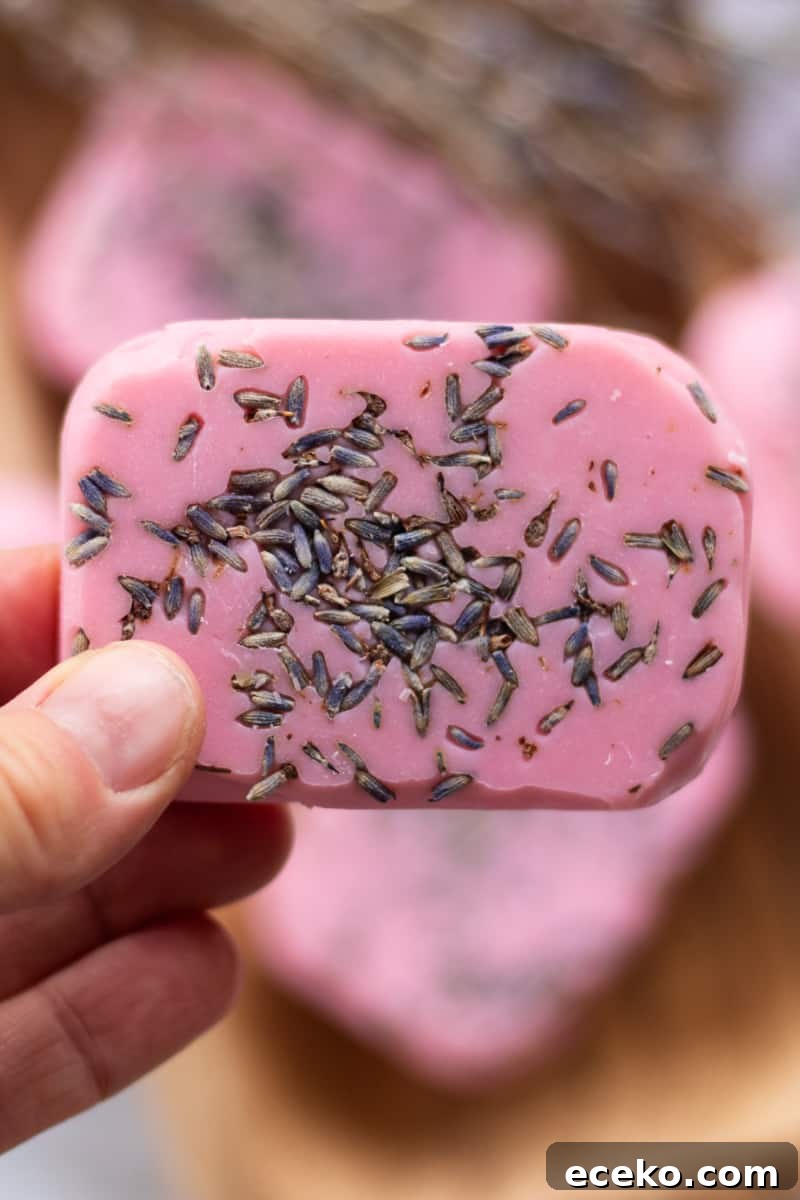
The dried lavender petals create a lovely purple accent, but they’re optional if you prefer a simpler look.
Tools you’ll need:
- Saucepan or double boiler
- Immersion blender (you can mix by hand, but it takes much longer)
- Digital thermometer
- Digital scale
- Soap molds (silicone molds work best for easy unmolding)
Ingredients
This recipe uses a 5% superfat.
Lye and liquid
- Water — 10.28 oz
- Lye — 4.6 oz
- Total: 14.88 oz
Oils and fats
- Mango butter — 12 oz
- Coconut oil — 14 oz
- Sweet almond oil — 3 oz
- Olive oil — 2 oz
- Yellow beeswax — 0.3 oz
- Total: 31.30 oz
Add-ins
- Lavender essential oil — about 40 drops (adjust to preference)
- Liquid soap colorant — 20+ drops (optional, adjust as desired)
- Dried lavender petals (optional, for decoration)
Total batch yield: 46.18 oz (plus add-ins)
Instructions
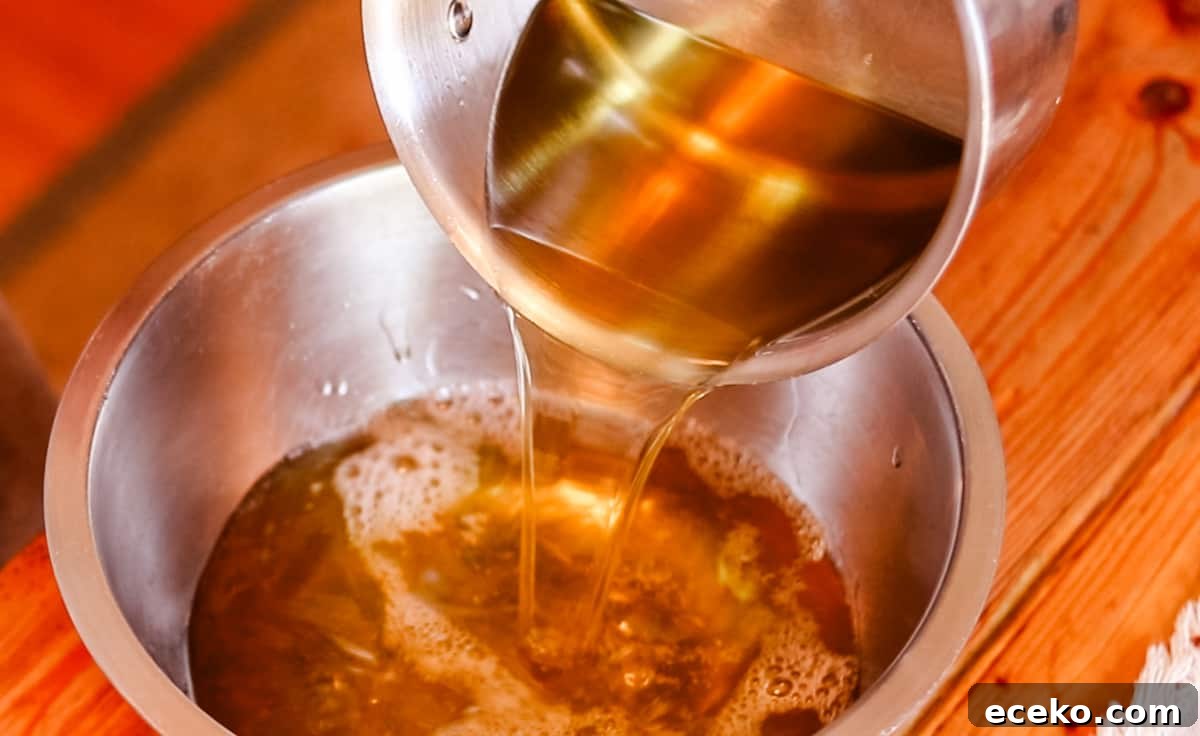
Step 1. Weigh the oils and butters on a digital scale. Melt them gently in a saucepan or double boiler, then pour into a metal mixing bowl to cool.
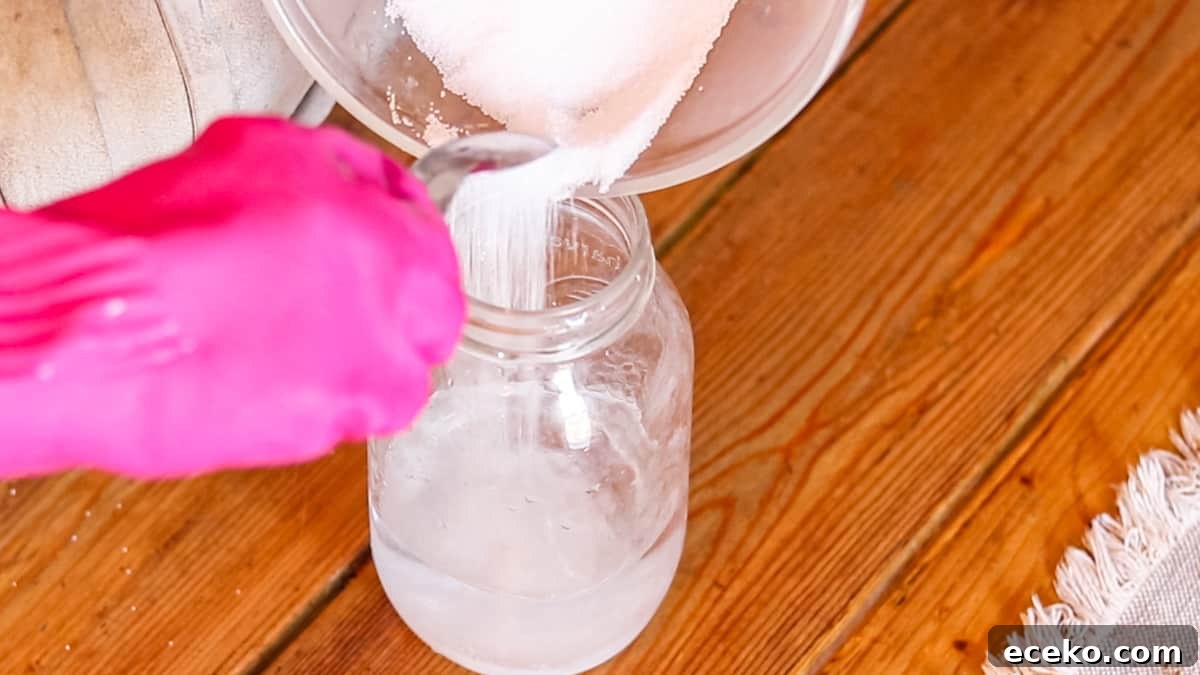
Step 2. Put on rubber gloves and safety goggles. Slowly add the lye to the water in small increments (never pour water into lye). Stir gently until dissolved and set the lye solution aside in a safe, well-ventilated place to cool. The reaction will heat the mixture and release fumes—take care.
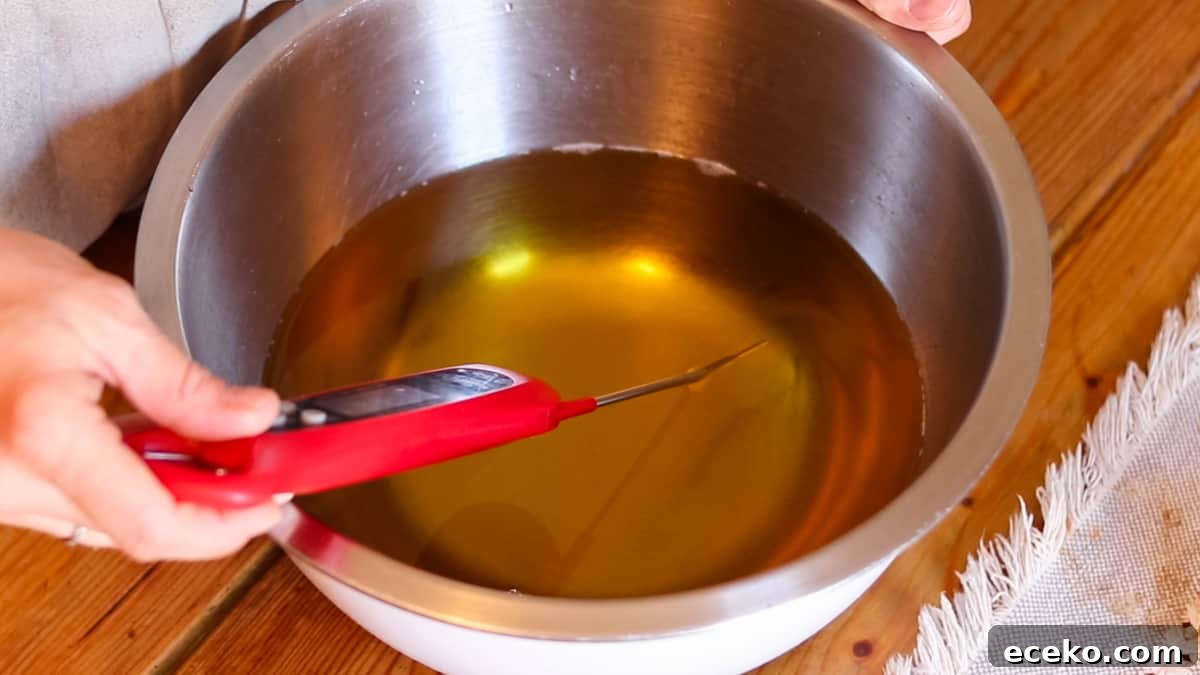
Step 3. Let both the lye solution and the melted oils cool to about 100–110°F. They should be within 10°F of each other before combining.
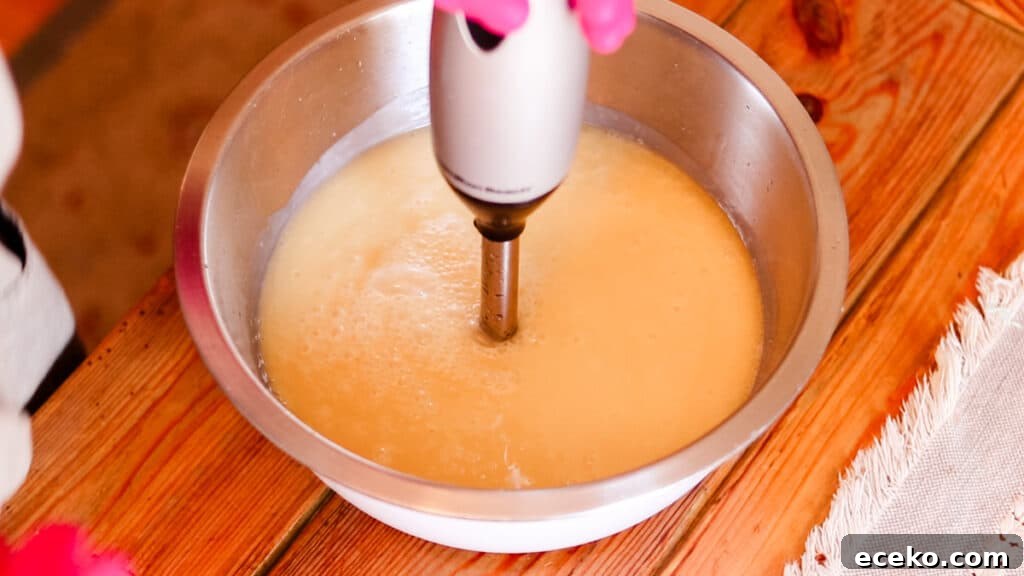
Step 4. Carefully pour the lye solution into the oils in small amounts while blending with an immersion blender. Continue blending until you reach a light trace—when the mixture begins to thicken and holds a faint line on the surface.
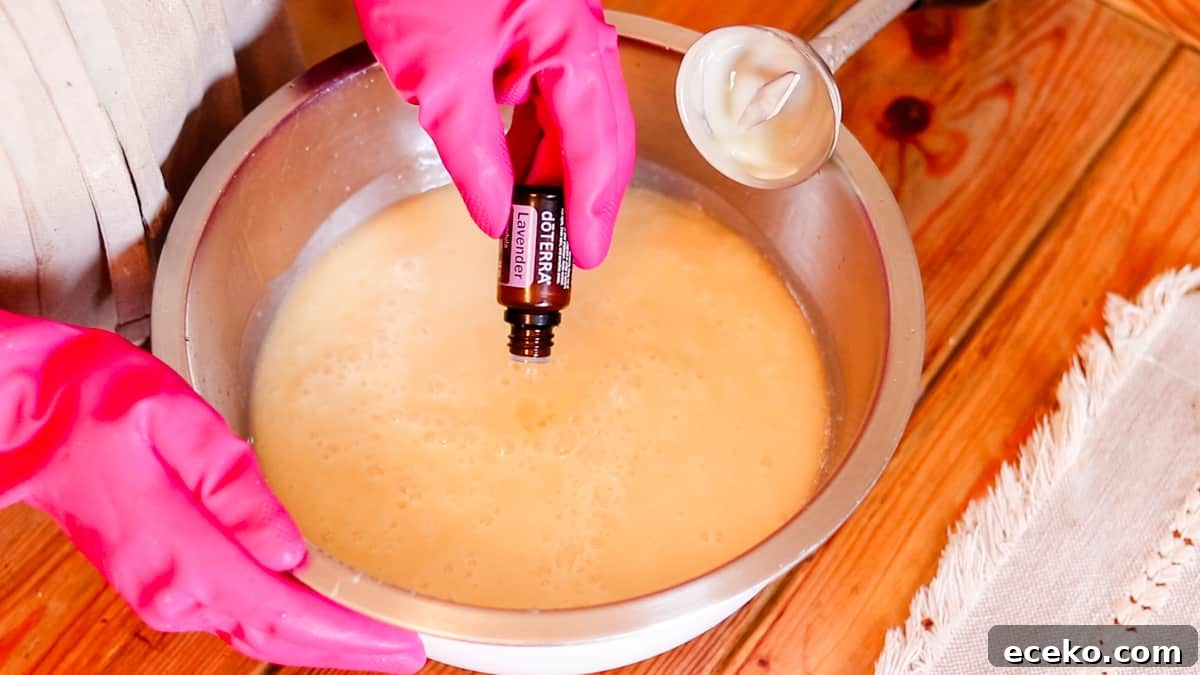
Step 5. At light trace, add the lavender essential oil and your colorant. Blend until you reach a medium trace. If the batter becomes too thick for the blender, switch to stirring with a spatula or spoon.
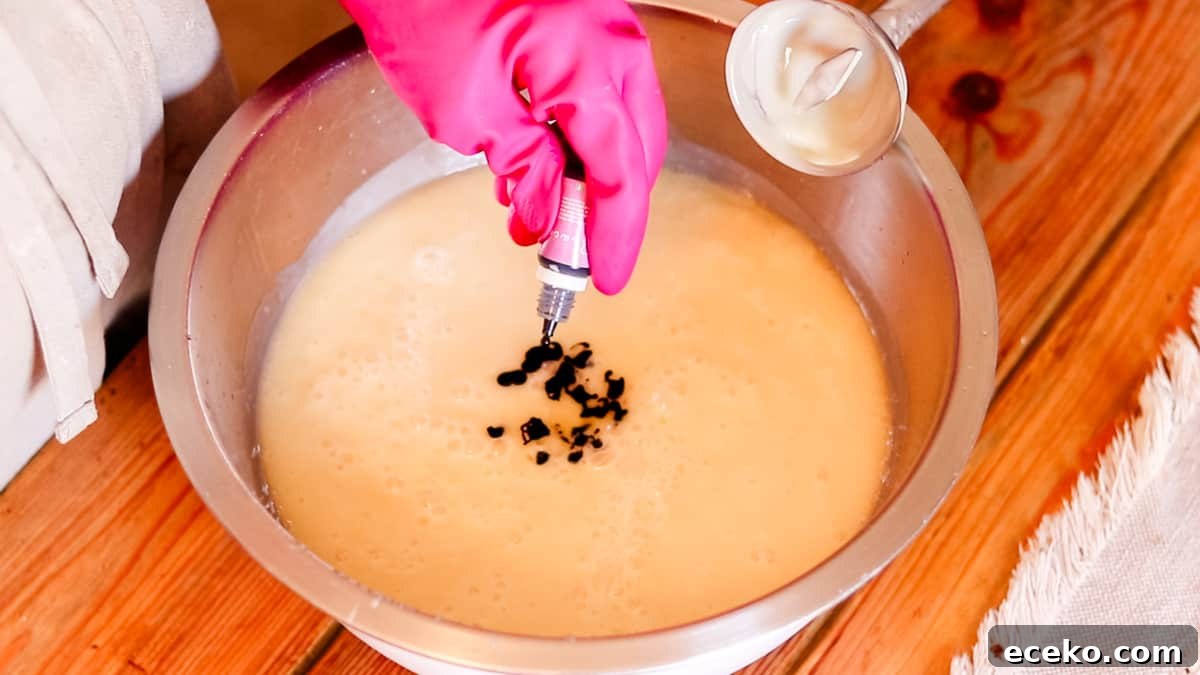
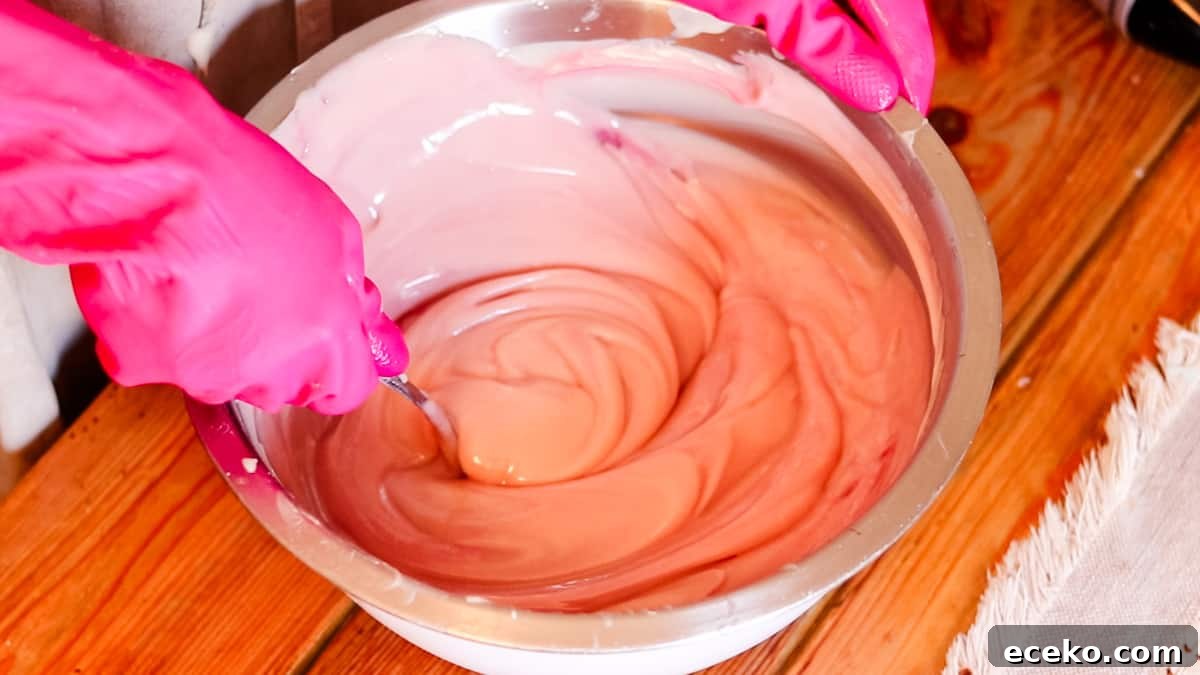
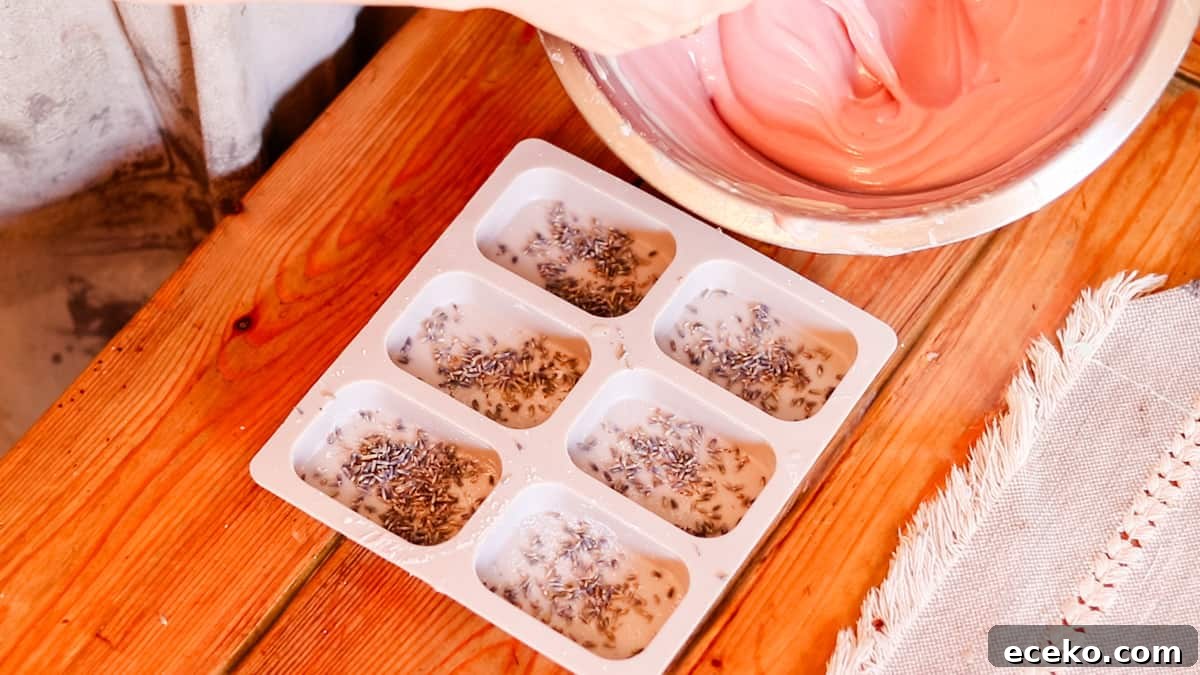
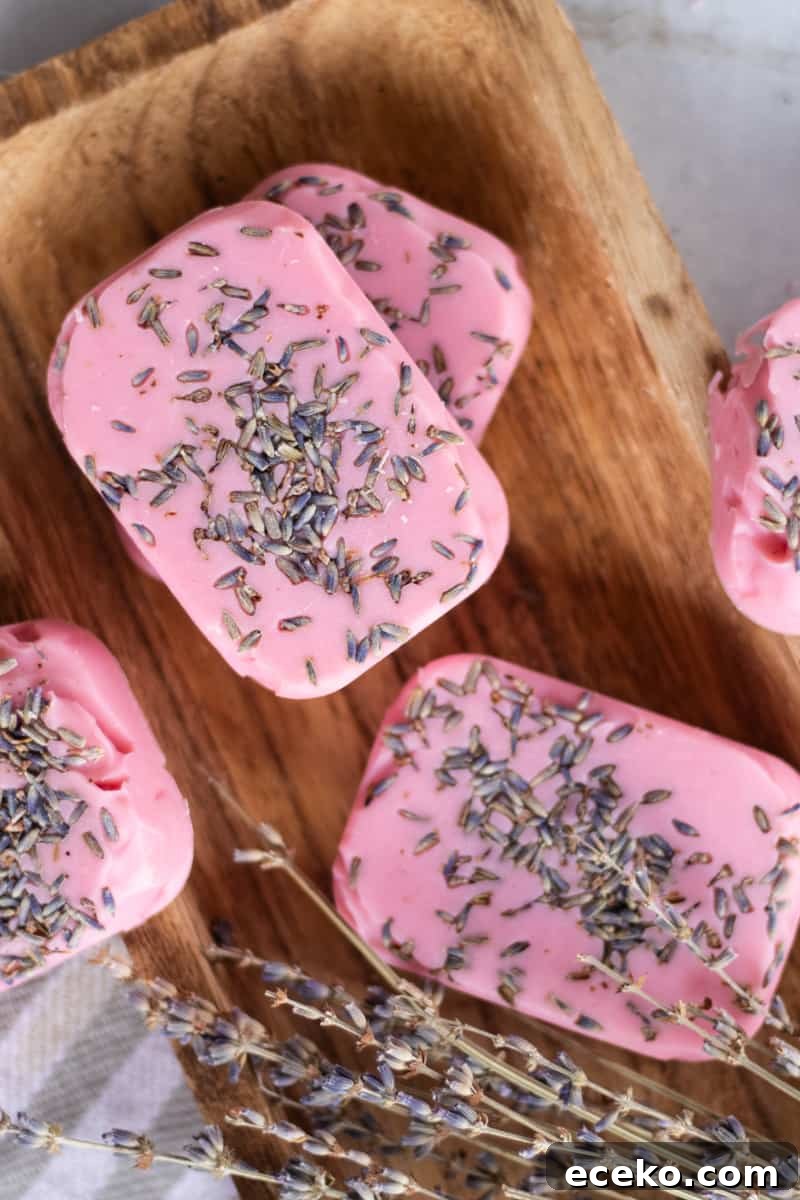
Step 6. If using, sprinkle dried lavender buds into the bottom of the mold for decoration, then pour the soap batter into the mold and fill to the top.
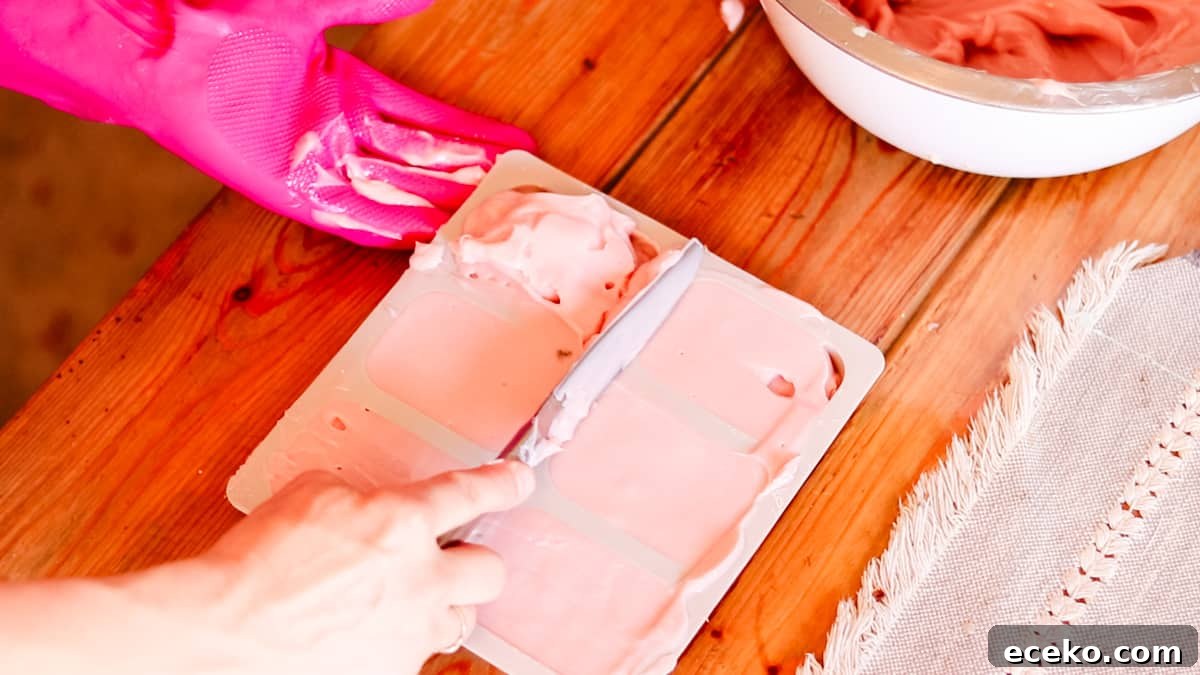
Step 7. Use a flat spatula or scraper to level and smooth the surface of the soap.
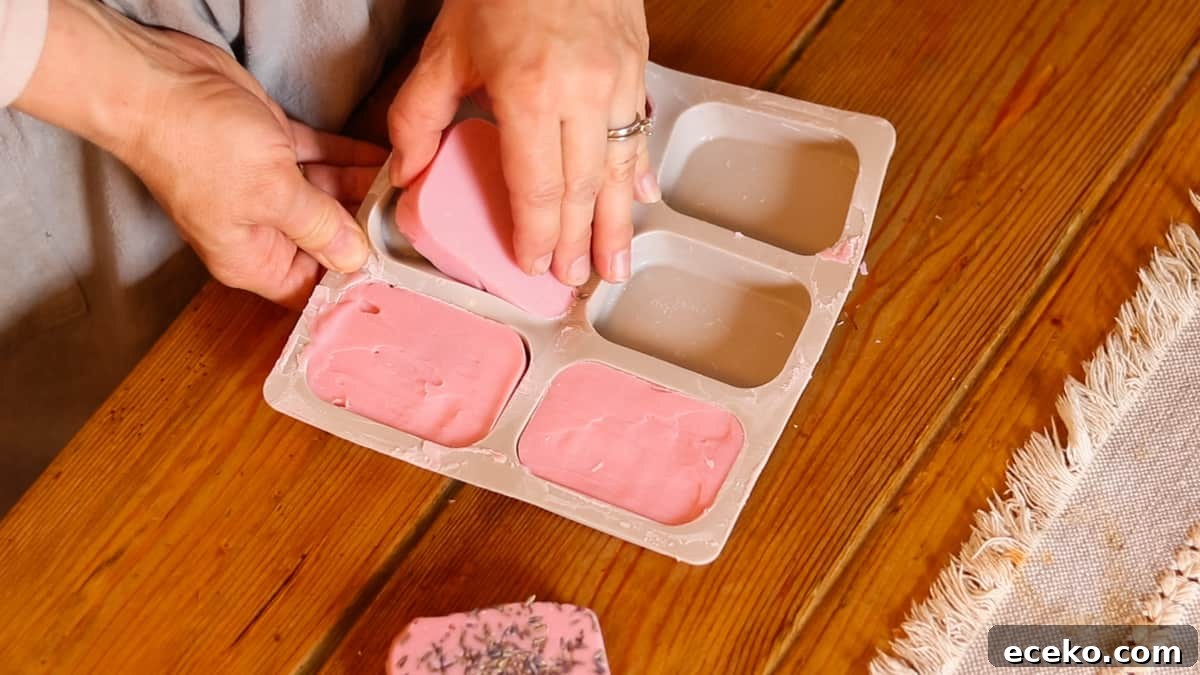
Step 8. Leave the filled mold in a safe place for 24 hours. If the soap has sufficiently hardened, unmold the bars and stand them on their ends to cure. Cure for 5–6 weeks, turning occasionally so they dry evenly before use.
Safety precautions
- Personal protective equipment: Always wear gloves and eye protection. Long rubber gloves and long sleeves are recommended when working with lye.
- Ventilation: Mix lye in a well-ventilated area or outdoors to avoid inhaling fumes.
- Use appropriate equipment: Use heat-resistant, non-reactive containers and tools to avoid damage during the lye reaction.
- Keep others away: Keep children and pets out of the workspace.
- Correct order: Always add lye to water slowly—never pour water into lye.
- Spills and emergencies: Neutralize lye spills with vinegar, then rinse with plenty of water. Keep vinegar and running water accessible.
- Clean-up: Follow safe procedures when cleaning lye equipment; consider dedicating utensils to soap-making only.
Tips
Measure ingredients by weight, not volume. A digital scale ensures accuracy for cold-process soap. Cure soaps for the full 5–6 weeks for hardness and longevity.
Silicone molds are my preference because they make unmolding easier and reduce the risk of damaging bars. This batch yields about 18 bars with similarly sized molds.
Keep soap-making tools separate from kitchenware or thoroughly sterilize them before switching uses.
FAQs
You can modify the oils, but use a soap calculator to recalculate lye and water amounts to maintain proper saponification and superfat percentages.
Allow 5–6 weeks for cold-process soap to fully cure so excess water evaporates and the bars harden.
Lavender petals often discolor over time. To preserve visible color on the bar’s surface, use deep-colored lavender and press a stem lightly into the top shortly after pouring. Another approach is misting the cured bar with rubbing alcohol and sprinkling buds on while the surface is tacky to help them adhere and retain color longer.
Key takeaways
Cold-process soap making is straightforward once you understand safety basics. With careful handling of lye and accurate measurements, you can create beautiful, fragrant lavender bars at home. If you’d like to start with an easier method first, try a whipped soap or a melt-and-pour base before moving to cold process.
If you try this Lavender Soap Recipe, please leave a star rating and share your experience in the comments. Thanks for visiting!
This recipe is provided for informational purposes only. Perform your own testing and research before making any product for personal use.