Food is often one of the largest household expenses. Whether you’re living on a single income, paying down debt, saving for the future, or simply trying to stretch each paycheck, learning to eat well on a tight budget can make a big difference.
I used to spend more than $600 a month on groceries with no plan. Dinnertime felt stressful and unplanned, and too often we resorted to takeout. Food went to waste and our spending was far higher than it needed to be.
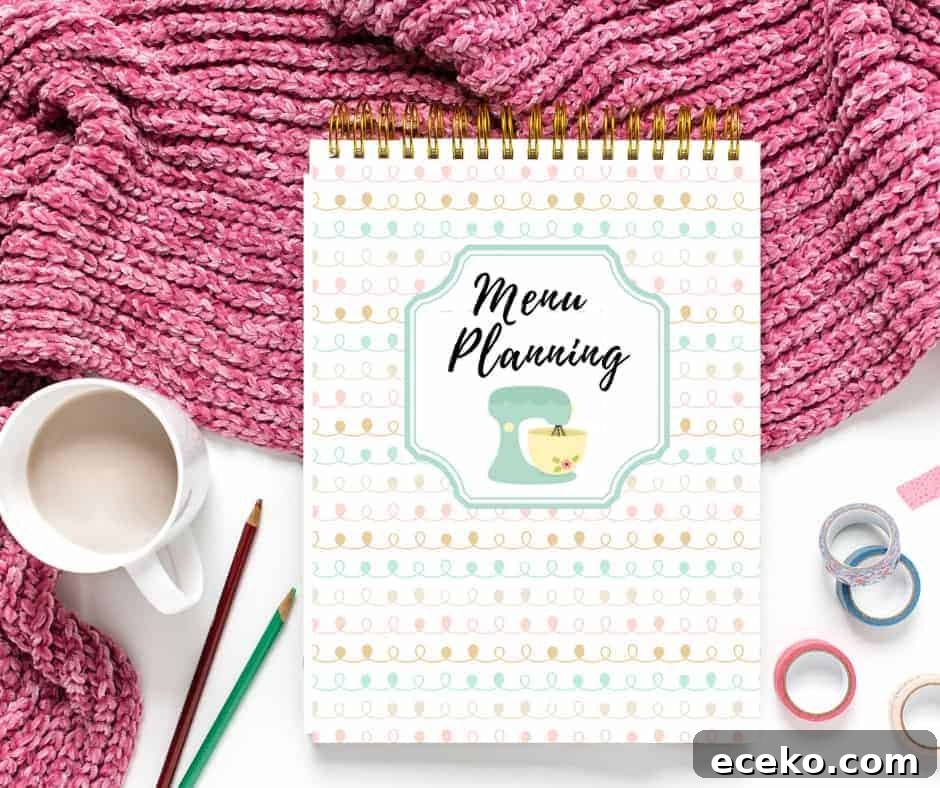
I created a simple system to plan meals and shop smartly so our grocery spending dropped dramatically. This is the same approach I’ve used for years to keep our grocery bill around $200 a month. To help you put the system into practice, I designed a printable vintage-style meal planner that organizes the whole process while keeping it attractive and easy to use.
Meal Planning on a Budget
Does planning meals save money?
Yes. Meal planning saves money because it helps you prepare and avoid last-minute, expensive choices. With a plan you know exactly what to buy and won’t wander the aisles picking up items that don’t come together into a meal. A focused menu and shopping list reduce waste and curb impulse purchases.
Using a weekly planner and a few simple strategies ensures you buy what you’ll eat and eat what you buy.
How do I plan meals for a week?
Meal planning doesn’t need to be complicated. It’s flexible and should reflect what your family actually likes. Here are straightforward steps that make the process fast and reliable.
Step 1: Figure out your grocery budget
Decide how much you can realistically spend on groceries each week or month. Use a worksheet or a simple budget calculation to set a target so you can plan purchases and stick to a limit.
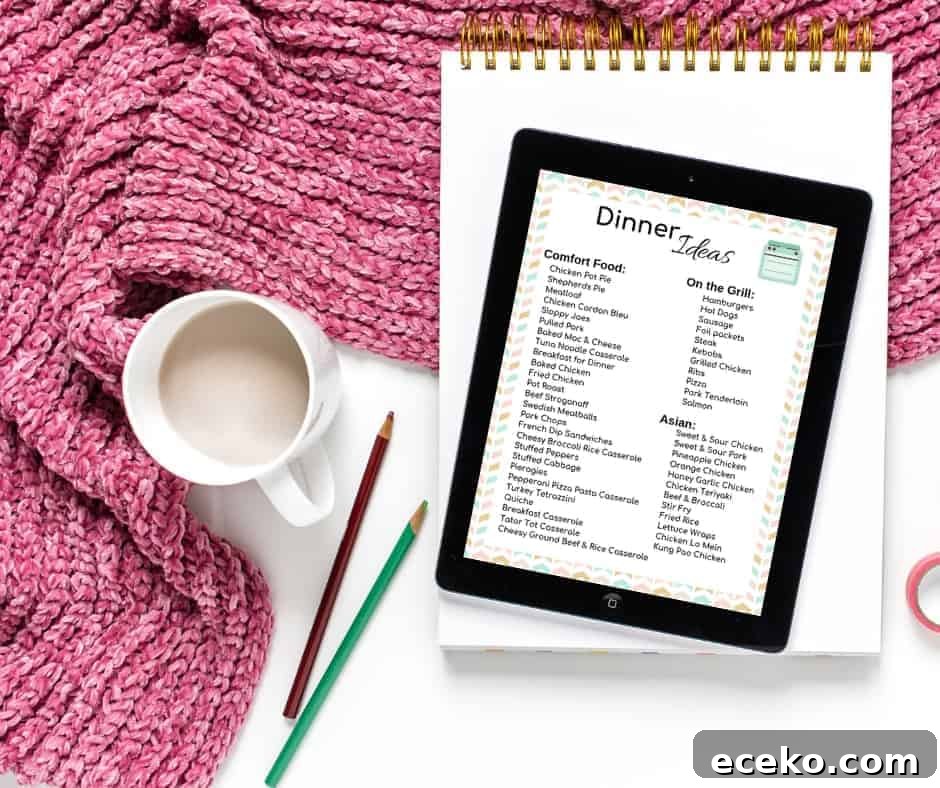
Step 2: Brainstorm a list of meals
Create a master list of favorite meals your household will actually eat. Group ideas by categories—easy dinners, one-pot meals, quick lunches—so you can pick quickly when planning. Having a list saves time and prevents decision fatigue.
Step 3: Take inventory of what you have
Check your pantry, fridge, and freezer before shopping. Note ingredients you already own and plan meals that use those items first. Using what you have reduces waste and lowers the amount you need to buy.
Step 4: Figure out how many meals you’ll need
Look at your calendar for the week and count how many meals you’ll need at home. Be realistic about evenings you’re out, social plans, or times when you won’t feel like cooking. Only plan for the meals you’ll actually eat at home.
Step 5: Create meals from your inventory
Use your inventory to build the week’s menu. Often you can make several meals from what’s already in your kitchen. This is a key strategy for keeping costs down.
Step 6: Check store sales
Scan grocery ads and compare local store sales to find the best prices. Base some of your shopping decisions on sale items to get more value for your budget. Make a preliminary shopping list from sale items that fit meals you can prepare.
Step 7: Plan meals around sale items
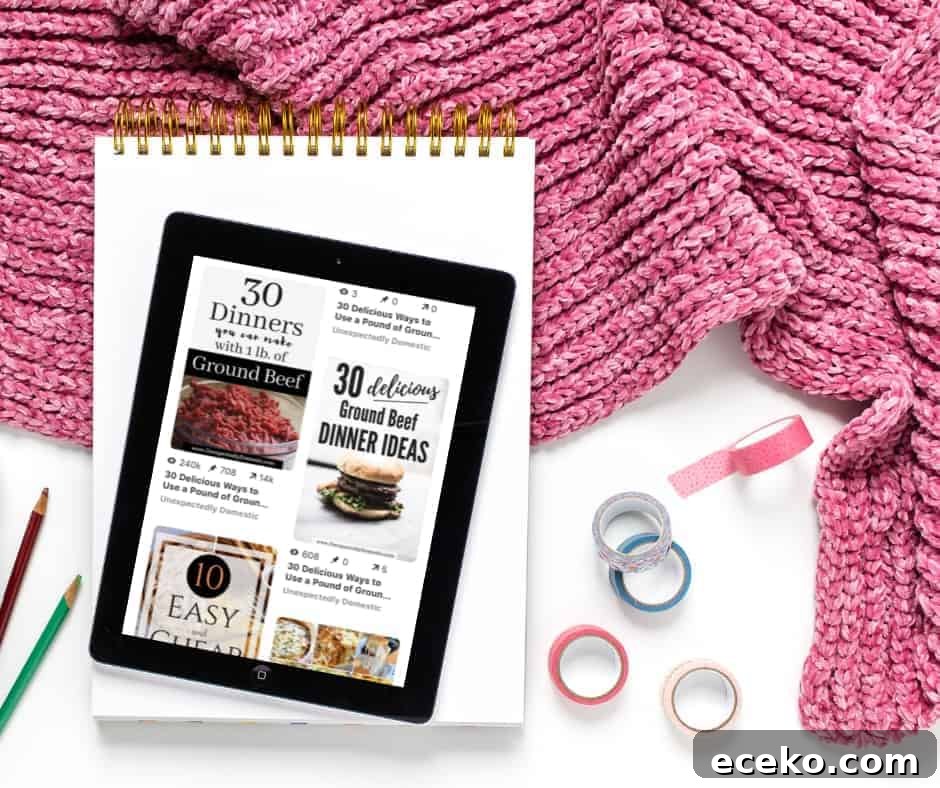
Buying what’s on sale yields the biggest savings. When an item you use often is discounted, plan several meals that use it. Use recipe search tools to find ideas based on ingredients you have or those on sale.
Step 8: Write your menu and shopping list
Finalize a weekly menu and a categorized shopping list. Include quantities and estimated prices if that helps you stay on budget. Display the week’s menu in the kitchen so the whole household knows what’s planned.
You did it!
Once you get the hang of it, meal planning can be quick—often 10–20 minutes weekly. The system reduces stress, cuts costs, and saves time. Below are additional tips to stretch your food budget further.
Grocery saving tricks
1. Use less meat
Meat is one of the priciest grocery items. Try meatless dinners or recipes that stretch a small amount of meat—chili, casseroles, and pasta dishes are especially good for this.
2. Use frugal staples
Items like beans, rice, eggs, and pasta are economical and versatile. Keeping a stocked pantry of affordable basics makes cheap, satisfying meals easy to assemble.
3. Stock up on sale-priced items
Track the best prices for frequently used items and buy extras when they’re at their lowest price. Proper storage or freezing helps prevent spoilage so you actually save long-term.
4. Avoid recipes requiring special ingredients
Choose meals that use ingredients you’ll regularly use so you don’t end up with obscure condiments or single-use items taking up space in your pantry.
5. Buy seasonal produce
Fruits and vegetables are cheapest and tastiest when in season. Seasonal produce often lasts longer and offers better value for money.
6. Cook extra
Make double batches and freeze portions or plan a leftovers night. This saves time and prevents food from going to waste.
7. Use the same ingredient in multiple meals
When an ingredient is on sale, plan several dishes that use it so nothing is wasted and your savings multiply across multiple meals.
8. Rotate weekly meal plans
Create a set of 3–12 rotating weekly menus and reuse them. Saving shopping lists and menus streamlines future planning and reduces decision time.
You’re on your way
Following these steps gives you a clear, repeatable process for meal planning on a budget. With regular use, you’ll save money quickly and feel more confident at the grocery store and in the kitchen.
More about the planner
The printable planner includes a comprehensive set of pages to build a sustainable meal planning system. It contains inventory sheets, brainstorming templates, shopping lists, meal idea lists, rotating menu pages, monthly calendars, and more—designed so you can print and reuse them as often as you like.
- Cover options and guide pages
- Budget and spending worksheets
- Pantry, fridge, and freezer inventory templates
- Meal idea worksheets and over 100 dinner ideas
- Shopping list templates and stock-up price sheets
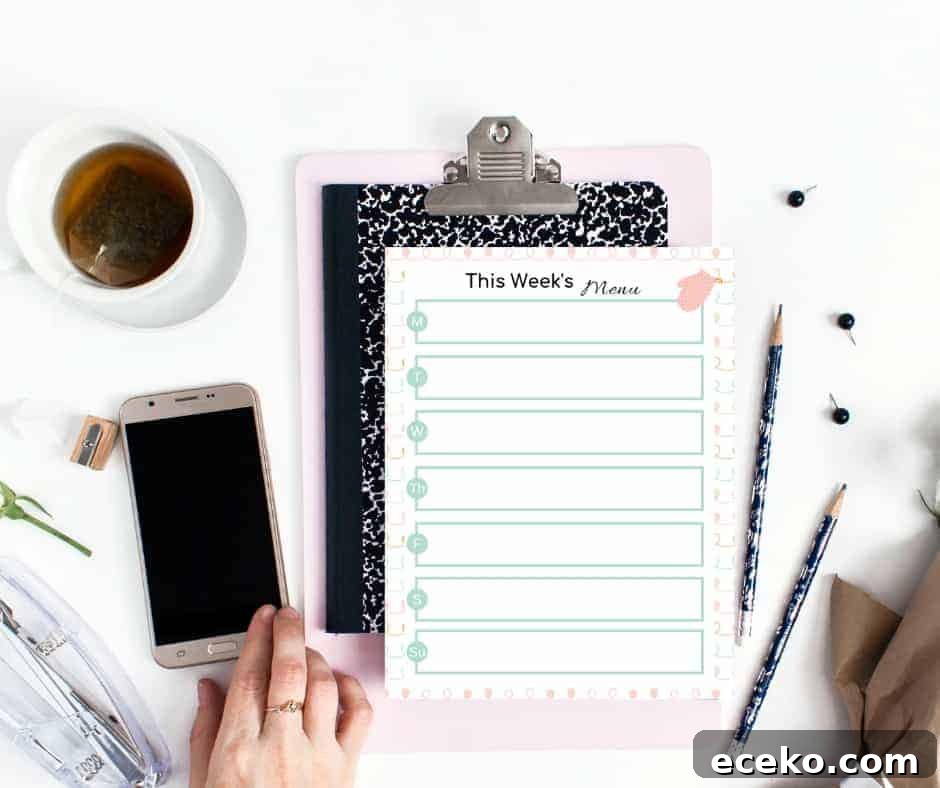
- Weekly menu pages and reusable rotating menus
- Monthly meal plan calendars
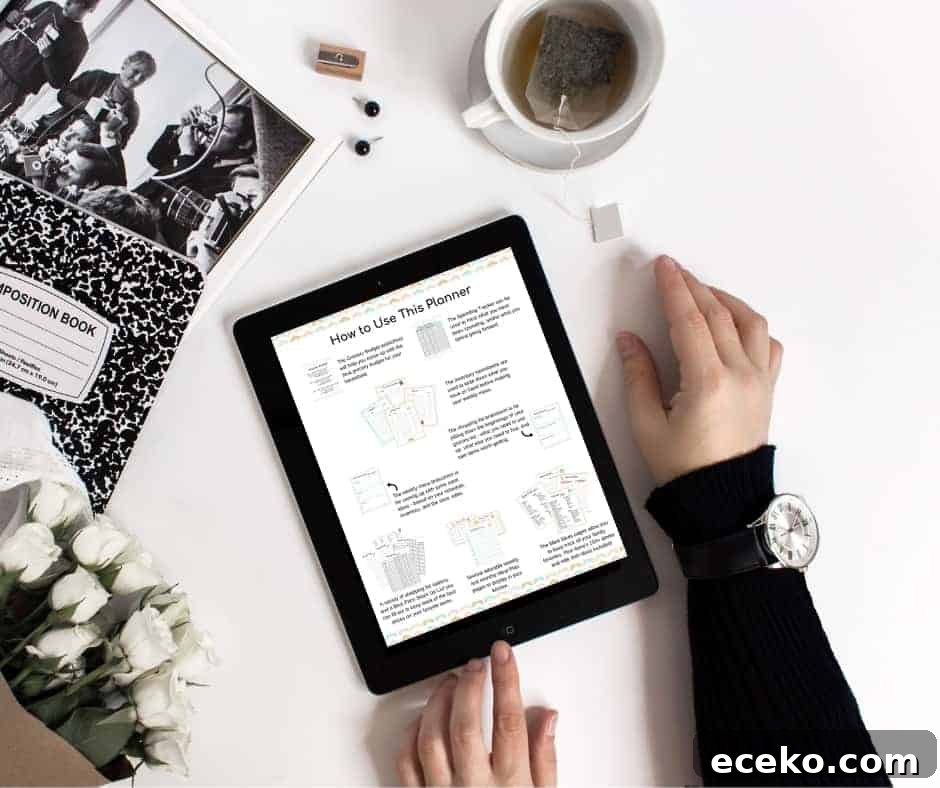
The planner pages can be assembled into a binder to create a personalized meal planning kit and reference book. Pull it out each week to create a grocery list and menu quickly and confidently.
With this system, you’ll likely see savings in the first week and continue to save as you refine your lists and shopping habits. Happy meal planning!