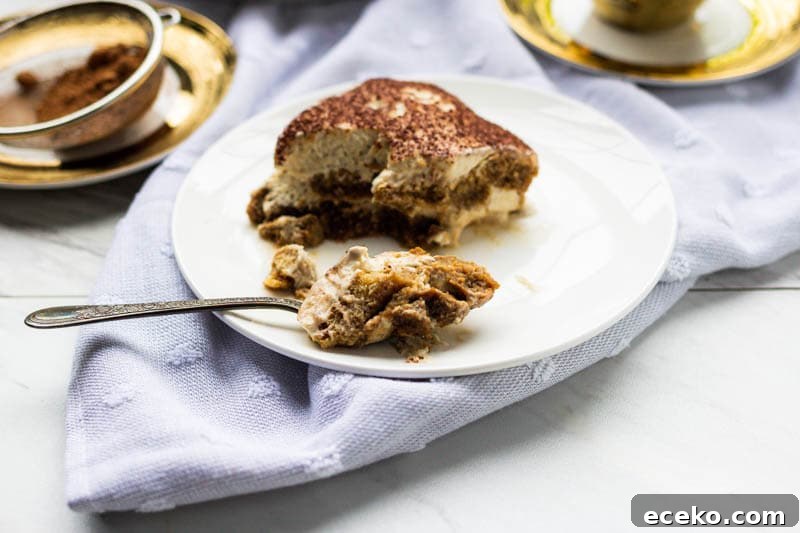
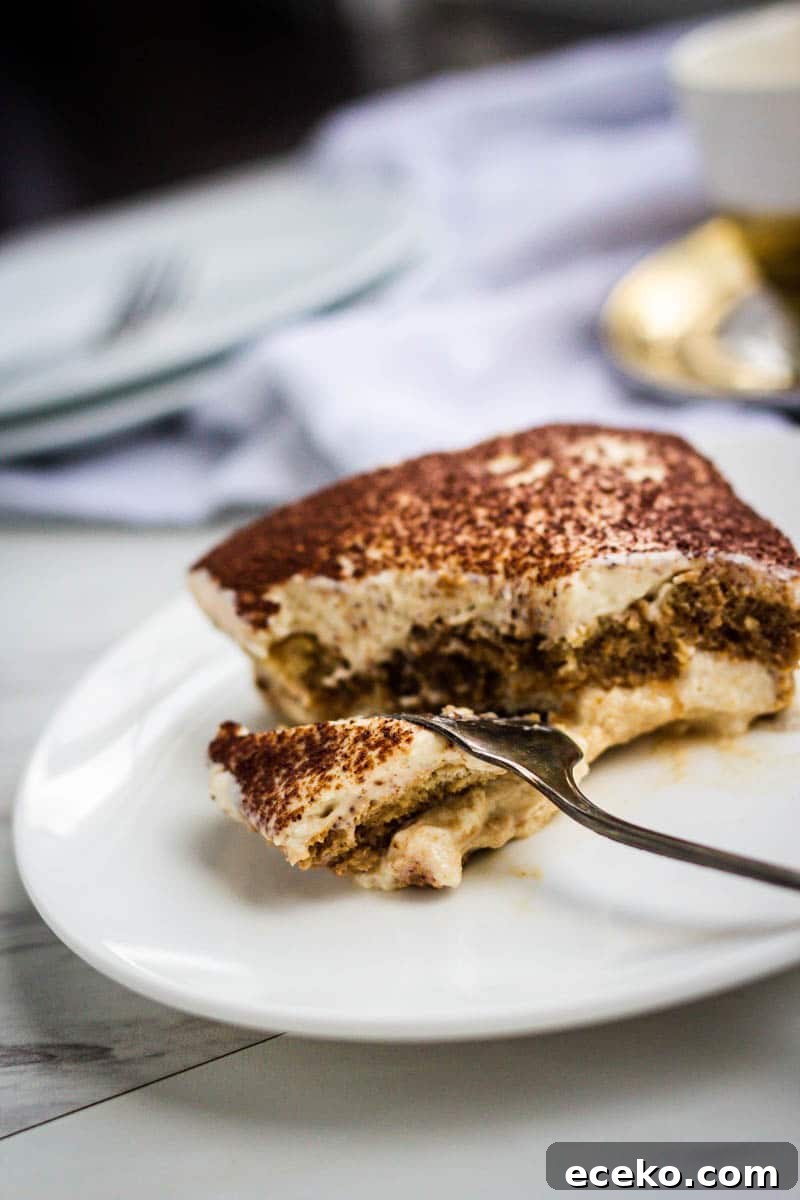
A classic tiramisu is light, airy and utterly delicious — and the best part is it requires no baking. Learn the traditional Italian method for making tiramisu: authentic, simple, and satisfying.
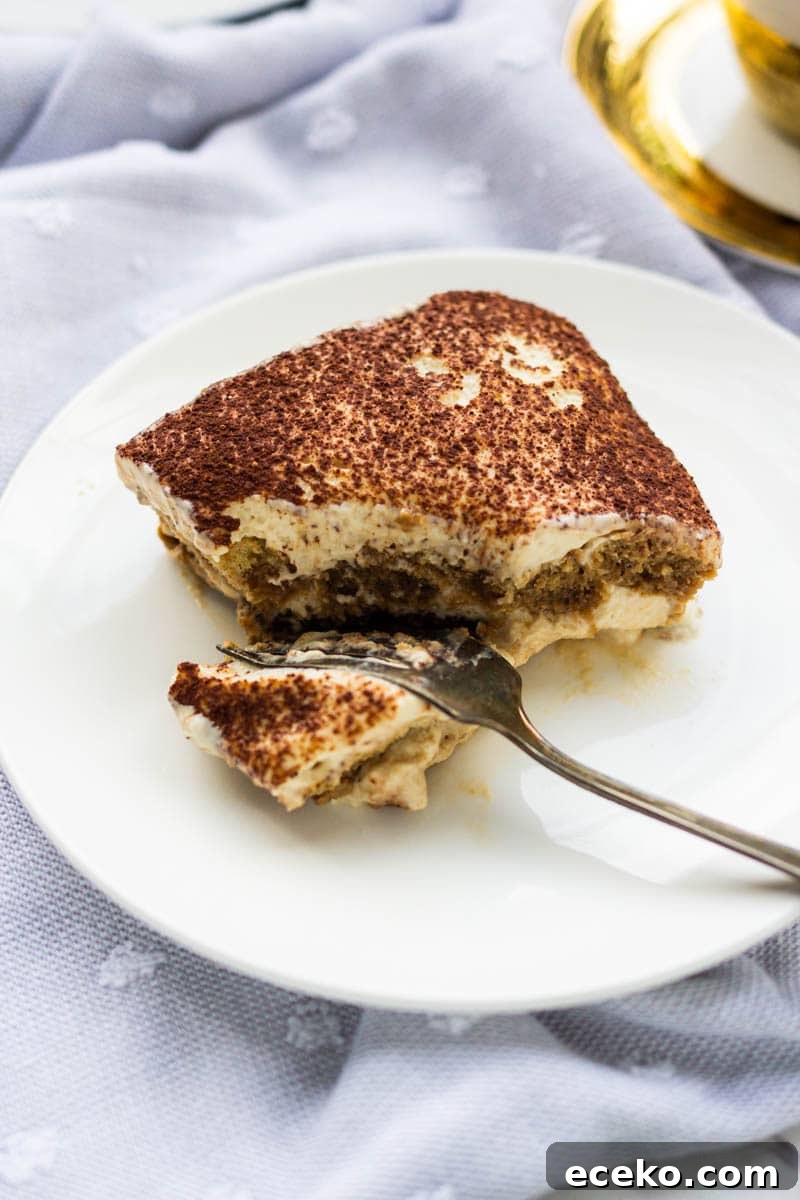
Tiramisu, literally meaning “pick me up,” strikes the perfect balance between lightness and richness. This classic version follows the authentic Italian tradition, using raw eggs to achieve its signature texture. Note: people who are very young, pregnant, elderly or have compromised immune systems should avoid dishes with raw eggs.
This recipe contains no whipped cream — just simple, classic ingredients that create an unforgettable dessert. It’s the traditional approach passed down through generations, and it’s exactly how many Italian grandmothers make it.
Tiramisu holds a special place in my heart: it was the first recipe I ever learned to make. My mother taught me, and her sister taught her after learning from an Italian client who insisted that raw eggs are essential for an authentic tiramisu.
An Italian Recipe Passed Down
I remember my mom and aunt standing side by side one New Year’s Eve, assembling tiramisu. My mom was nervous about using raw eggs but chose to follow the traditional method without questioning the generations of women who perfected it. I watched from the kitchen as my babushka did word search puzzles nearby, and my aunt and mom joked and collaborated like sisters do.
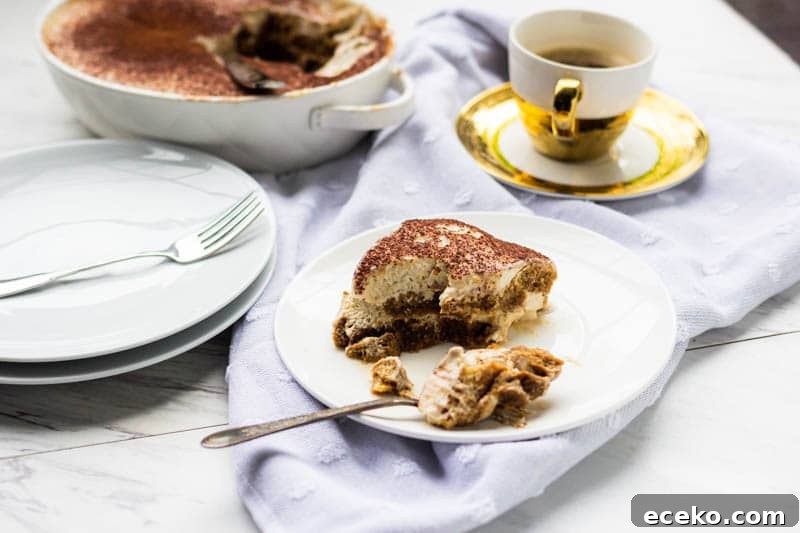
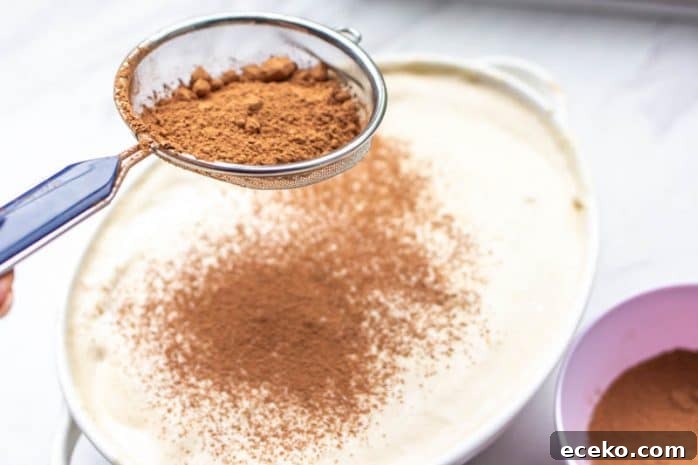
I helped by dusting the top with cocoa while my mom watched closely to ensure it was just right — a small lesson in precision that I now pass on to my own child.
I Learned from My Mother
At 13 I was already making this tiramisu the way my mom taught me. Over the years I experimented in culinary school — trying cakes, homemade ladyfingers and other variations — but the classic version always stood out as the true, balanced dessert. An Italian chef later tasted my tiramisu and confirmed it was the authentic style he remembered from his mother, which was the highest compliment.
The Technique
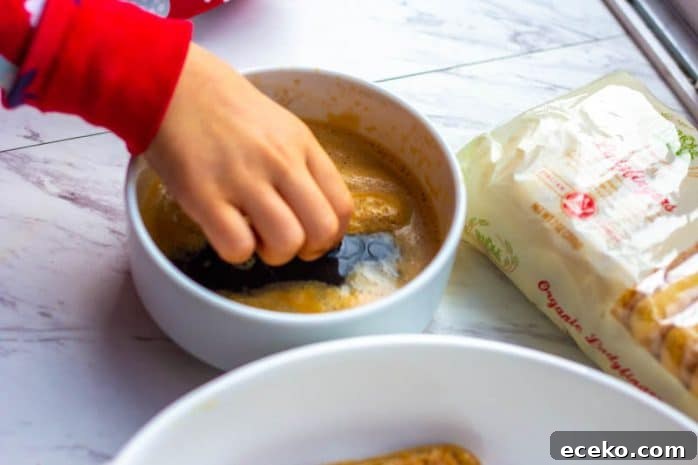
- The Ladyfingers: Ladyfingers are light, spongy cookies with a slightly crisp sugar crust. They act as the “cake” in tiramisu, absorbing the coffee and liquor quickly. Dip each ladyfinger briefly in the coffee mixture — just a second or two per side — so they absorb flavor but don’t fall apart. Homemade ladyfingers are lovely, but store-bought works perfectly for this recipe.
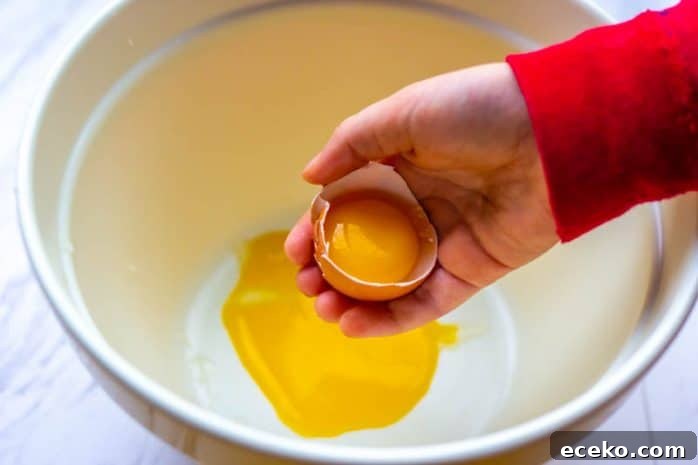
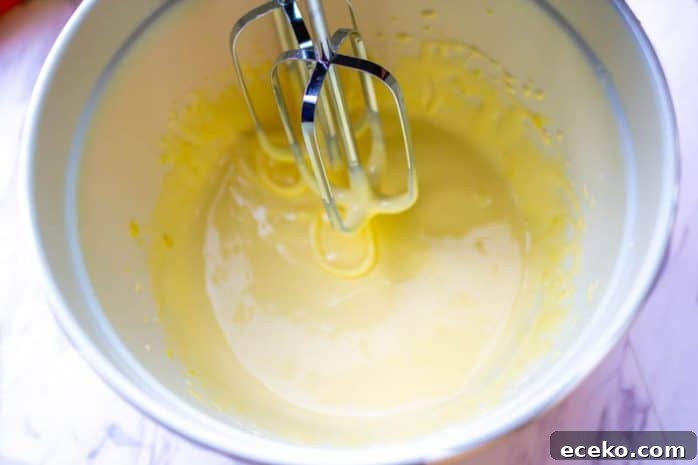
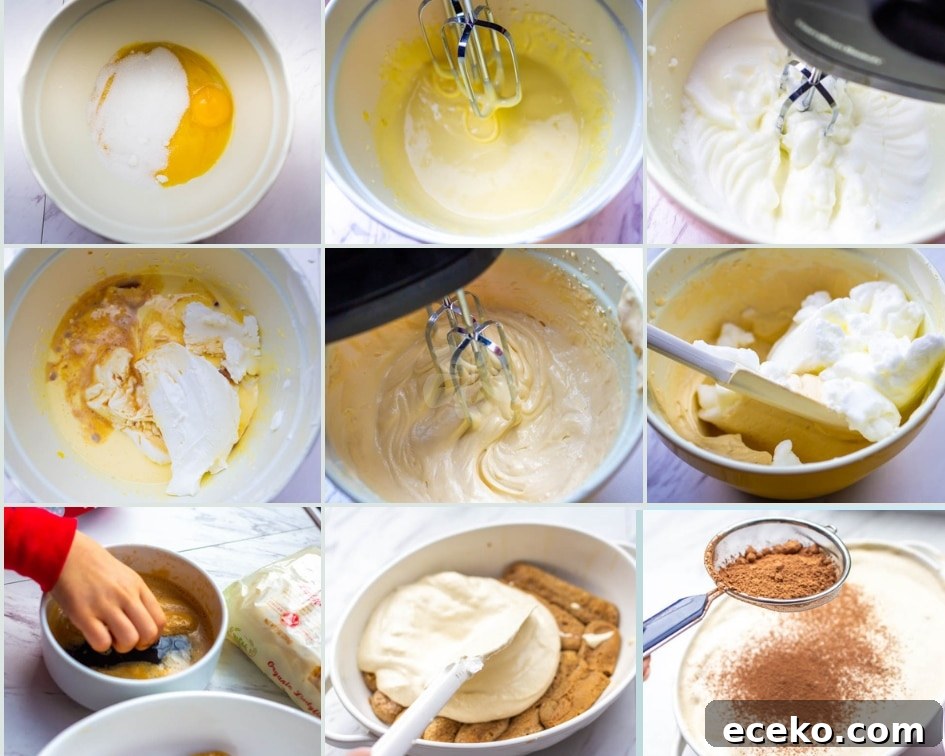
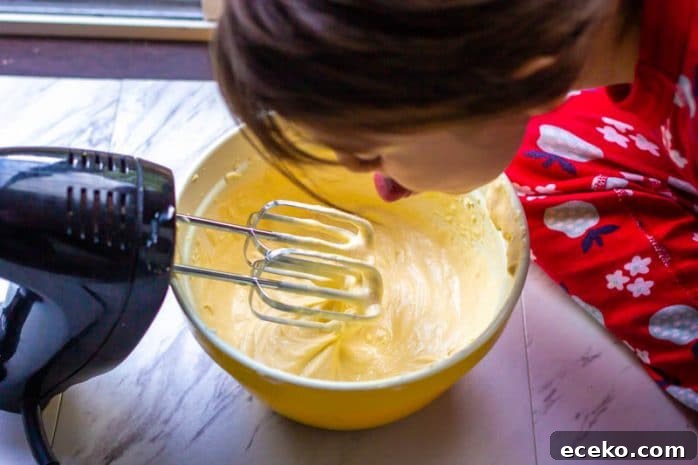
- Beating the Egg Yolks: Separate the eggs and beat the yolks with sugar until the mixture is pale and ribbon-like. This incorporates air and creates a silky base for the mascarpone. It typically takes 3–5 minutes depending on your mixer.
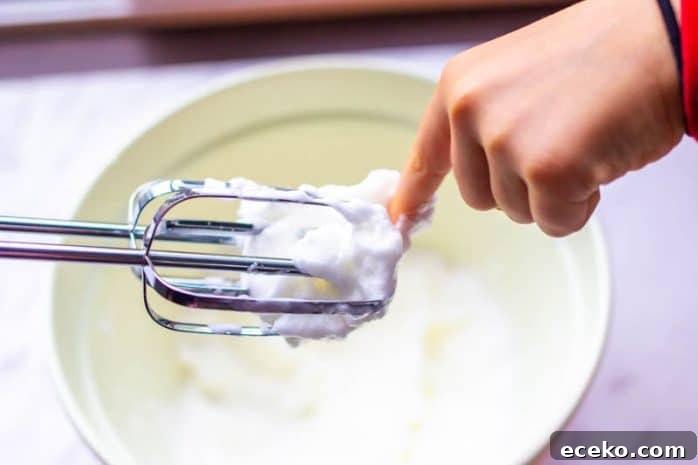
- Beating the Egg Whites: Whip the egg whites with a bit of sugar to stiff peaks. This adds volume and lightness to the cream. You’ll know they’re ready when the peaks hold firm and don’t collapse.
- Whipping Mascarpone: Add mascarpone to the beaten egg yolks and gently incorporate it until smooth. Avoid overbeating mascarpone, which can break its silky texture. Work carefully and stop as soon as it’s fully combined.
- The Cream: Fold the whipped egg whites into the mascarpone and yolk mixture carefully to preserve airiness. Use a spatula and a gentle folding motion so the final cream remains light and fluffy.
- Flavorings: Coffee is the star, but flavoring the cream adds depth. Traditional options include Frangelico (hazelnut) or a chocolate liqueur like Godiva. A touch of vanilla paste or extract enhances the overall flavor.
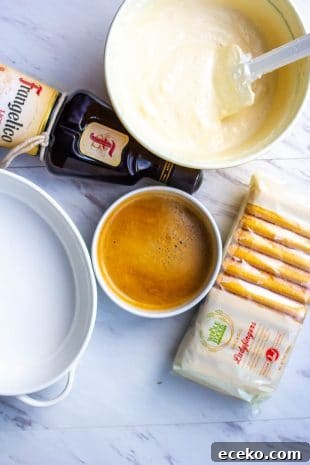
- The Espresso Dip: Prepare strong coffee or espresso and let it cool before dipping the ladyfingers. My mom often added a splash of liquor to the coffee as well. Work quickly when dipping: a brief dunk on each side is enough before placing the cookie into your dish.
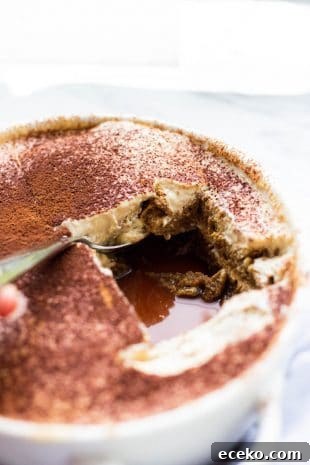
- Finishing the Cake: Arrange a layer of dipped ladyfingers in a casserole dish, spread half the mascarpone cream over them, then repeat with another layer of dipped ladyfingers and the remaining cream. Dust the top with cocoa powder using a sifter and refrigerate for at least 4–6 hours to set. If you need to transport the tiramisu without a lid, insert toothpicks into the dessert and cover with plastic wrap to prevent the wrap from touching the surface.
Great for Cooking with Kids
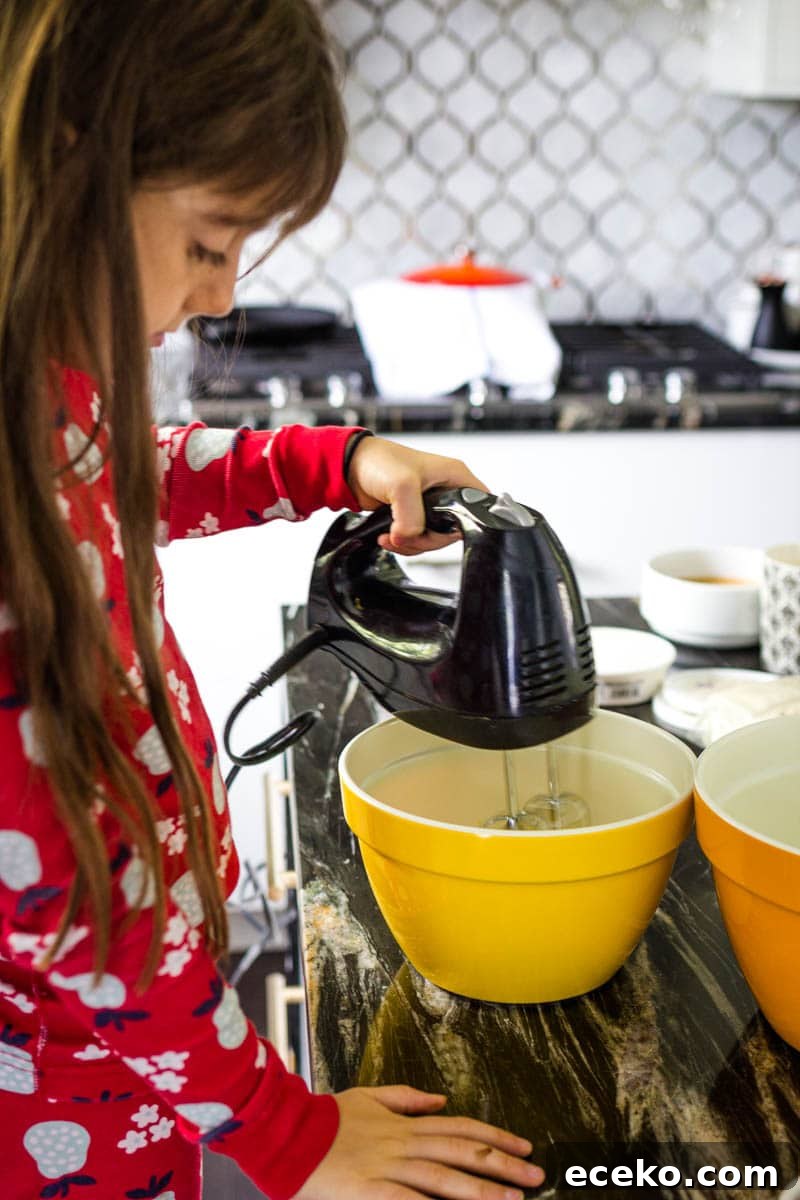
After my mom passed away, teaching my daughter to make tiramisu became a way to keep that connection alive. Kids can help with safe tasks like sifting cocoa, folding the cream, and assembling layers. My daughter once dipped the ladyfingers a bit too long so they became soft and leaked coffee into the pan — still delicious, but a reminder to dip briefly for a neater presentation.
Complete the Feast
This tiramisu pairs beautifully with classic Italian starters and mains. Consider serving bruschetta or arancini to start, and a robust pasta or meatball dish as the main course. End with this light-yet-luscious tiramisu for a memorable meal.
Tools and Ingredients
- Mixing bowls — non-slip bottoms help when using hand mixers.
- Rubber spatula — ideal for folding egg whites into the mascarpone mixture.
- Hand blender or stand mixer — handy for whipping eggs and incorporating mascarpone.
- Casserole dish — a medium-deep dish works well for layering tiramisu.
- Mini sifter — for dusting cocoa powder evenly on top.
- Ladyfingers, mascarpone, eggs, sugar, strong coffee or espresso, vanilla, optional liqueur (Frangelico or chocolate liqueur), and cocoa powder.

How to Make Tiramisu (The Italian Recipe)
No reviews
- Yield: 0 people 1x
Description
A classic tiramisu is light, airy and oh so very delicious. Best of all it does NOT require any baking! Learn how to make tiramisu the way that all Italian grandmothers make it: authentic, simple and delicious.
Ingredients
- 36 ladyfinger cookies
- 1 pound mascarpone
- 5 whole eggs, separated
- 1/2 cup sugar
- 2.5 cups strong black coffee or espresso
- 2 tbsp vanilla paste or extract
- 3 tbsp Frangelico or other liquor (optional)
- Cocoa powder for dusting
Instructions
- Brew strong coffee or espresso and allow it to cool. It should taste robust to stand up to the other ingredients.
- Add the sugar to the egg yolks and beat for 4–5 minutes until pale and ribbon-like when the beaters are lifted.

- In a clean bowl, whip the egg whites with a whisk attachment to stiff peaks. The peaks should stand firm when the whisk is lifted.
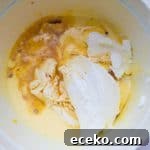
- Add the mascarpone to the egg yolk mixture along with about 4 tbsp of the brewed coffee, the liquor (if using), and vanilla. Gently beat until smooth and combined.
- Fold the beaten egg whites into the mascarpone mixture gently with a rubber spatula until evenly incorporated. Set aside.
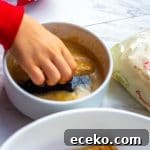
- Quickly dip each ladyfinger into the cooled coffee — one to two seconds per side — then arrange a layer of them in a casserole dish.
- Spread half the mascarpone cream over the first layer of ladyfingers.
- Add a second layer of dipped ladyfingers and cover with the remaining cream. Smooth the top gently.
- Dust the top with cocoa powder and refrigerate for at least 4–6 hours, preferably overnight, before serving.


Notes
- If using a Nespresso or pod machine, expect to use several espresso pods to make the required volume of strong coffee.
- A hand mixer or stand mixer works well for whipping eggs. Use the whisk attachment for the whites for best volume.
- Mascarpone is essential to achieve the traditional texture and is widely available in grocery stores.
- To avoid raw eggs, you can make a zabaglione by gently whisking eggs over a double boiler until thickened. However, traditional raw eggs are commonly used and are generally safe for healthy adults.
- Consuming raw or undercooked eggs or other animal products can increase the risk of foodborne illness. Avoid if you are pregnant, elderly, very young, or immunocompromised.