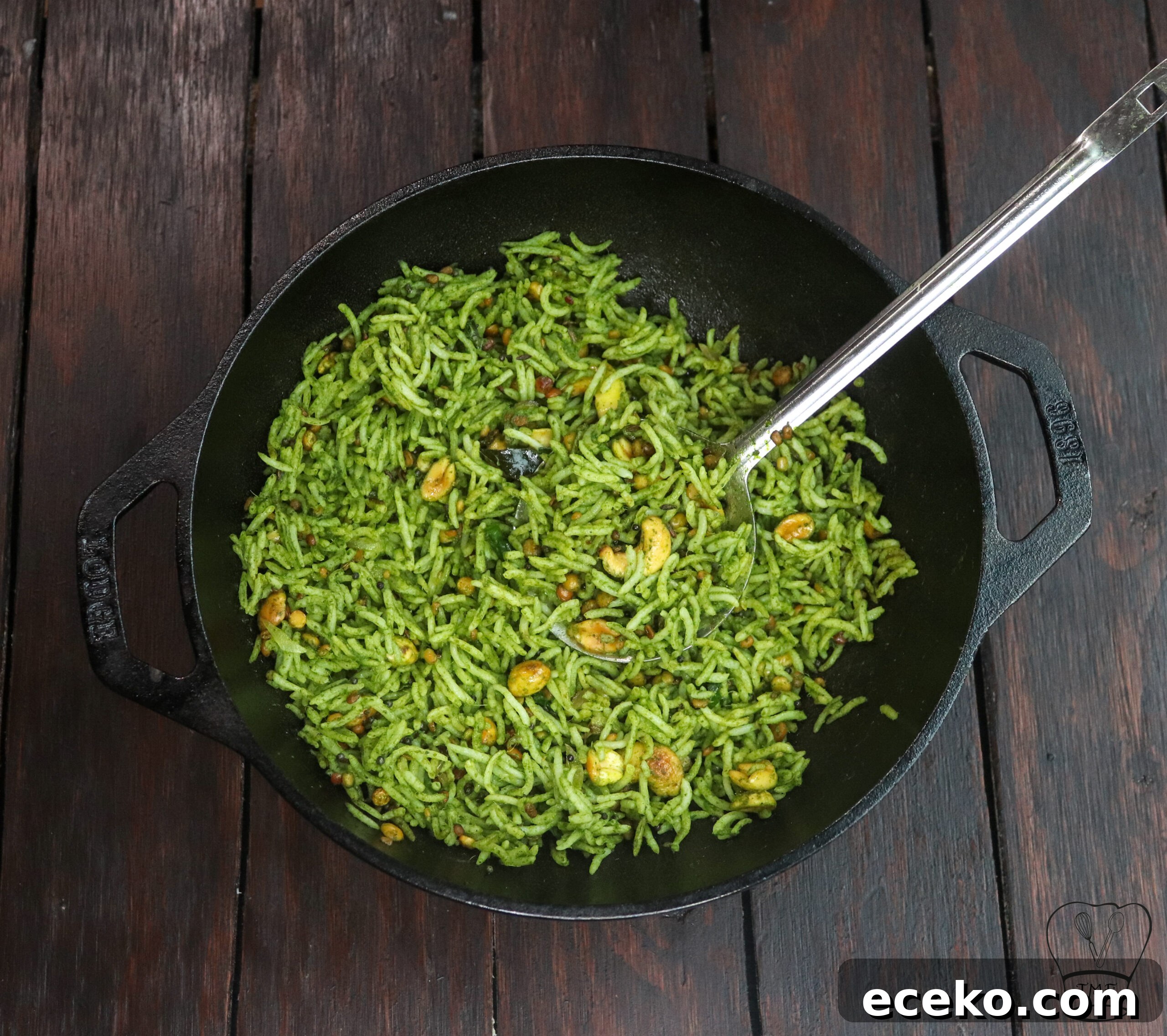
Coriander rice | Kothamalli sadam | coriander leaves rice | how to make coriander leaves rice | easy lunch recipe | variety rice recipe | cilantro rice | healthy and tasty rice | lunch box recipe | 10 mins rice | coriander pulao | coriander pilaf
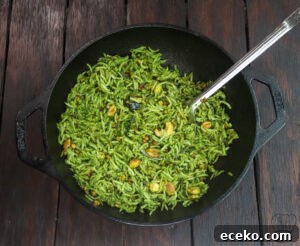
Kothamalli sadam (Coriander rice) is a flavorful, healthy and quick variety rice that can be prepared in about 10 minutes using cooked rice and a simple coriander paste.
Lunch box recipe – cilantro rice
Easy and tasty Kothamalli sadam is a popular South Indian variety rice. Using cooked rice, you can make this aromatic dish in minutes. It is known as kothamalli sadham in Tamil and highlights authentic South Indian flavors.
Can I use leftover rice for coriander variety rice?
Yes. Coriander rice is an excellent way to use leftover or cold rice. If using refrigerated rice, bring it to room temperature and warm it slightly before preparing so the grains separate easily.
Fluffy rice
For freshly cooked rice, spread it out on a wide plate until the steam dissipates. Adding a few drops of oil or a little sesame oil while cooking helps keep the grains separate and fluffy.
What kind of rice should I use?
Basmati is recommended for its aroma and grainy texture, but you can also use Sona masoori, raw rice, brown rice, hand-point rice or millets. Cook well but avoid mushy rice — properly cooked, non-al dente rice is gentler on digestion.
What pairs well with kothamalli sadam?
This rice goes well with spiced dry gravies (varuval), curd-based kuzhambu, kootu, plain curd or raita, pickles, vadam, savory snacks, masala vada or pakoda.
Should I sauté coriander leaves?
No. After sautéing the aromatics, turn off the heat and immediately add the washed coriander leaves. Mix quickly three times — the residual heat is enough to wilt the leaves without losing color and freshness.
Coriander leaves – tips
- Always use fresh coriander leaves.
- Thin stems are fine; avoid thick, woody stems.
- Wash leaves well and drain; a little moisture is acceptable but they shouldn’t be dripping wet.
Can I skip the lemon juice?
Lemon juice helps retain the bright green color of the paste and adds brightness to the flavor—recommended. You may substitute a little tamarind if preferred.
Ingredients
To sauté
1 tsp peanut oil
4 garlic cloves, peeled and roughly chopped
1 green chilli (adjust to taste)
5 grams ginger
1 small onion
35 grams coriander leaves
To grind
1 tsp lemon juice
Salt as required
Pinch of sugar
To temper
1 tbsp sesame oil
1/2 tsp mustard seeds
1 tbsp urad dal
7 cashews
2 tbsp peanuts
1 tbsp chana dal
Few curry leaves
1/2 tsp asafoetida
1 tsp cumin seeds
Coriander rice
5 small onions
1/4 tsp turmeric powder
2 cups basmati rice, cooked
How to make coriander rice — step-by-step
- Spread the cooked basmati rice on a wide plate, add a little sesame oil and fluff the grains.
- Heat 1 tsp peanut oil in a wide pan.
- When hot, sauté chopped ginger, garlic, small onion and green chilli until the onions change color.
- Turn off the stove, add the washed coriander leaves and mix quickly three times. Transfer the mixture to a bowl and allow to cool.
- Grind the cooled mixture with lemon juice, salt, a pinch of sugar and 1 tbsp water into a smooth paste.
- Gently fold the coriander paste into the cooked rice until evenly combined.
- In a wide heavy-bottomed pan heat 1 tbsp sesame oil. Add cashews and peanuts and toss quickly.
- Add mustard seeds, urad dal, chana dal and cumin seeds (except asafoetida) and let them splutter. Add curry leaves and a pinch of asafoetida.
- Add the remaining small onions, sauté for a minute, then add turmeric powder and mix.
- Turn the flame to low, add the coriander rice, mix gently and cook for 1 minute to combine flavors. Remove from heat and serve warm.
Notes
- Leftover rice works best; warm it to room temperature before using.
- If using freshly cooked rice, spread and cool it until the steam subsides; adding a little oil while cooking helps keep the grains separate.
- Adjust chilli to taste. You can also add boiled peas or other vegetables.
- Lemon juice preserves the green color; tamarind can be used as an alternative.
Coriander leaves — quick tips
- Always use fresh, clean leaves.
- Use thin stems but avoid thick ones.
- Leaves may retain slight moisture but should not be dripping wet when ground.