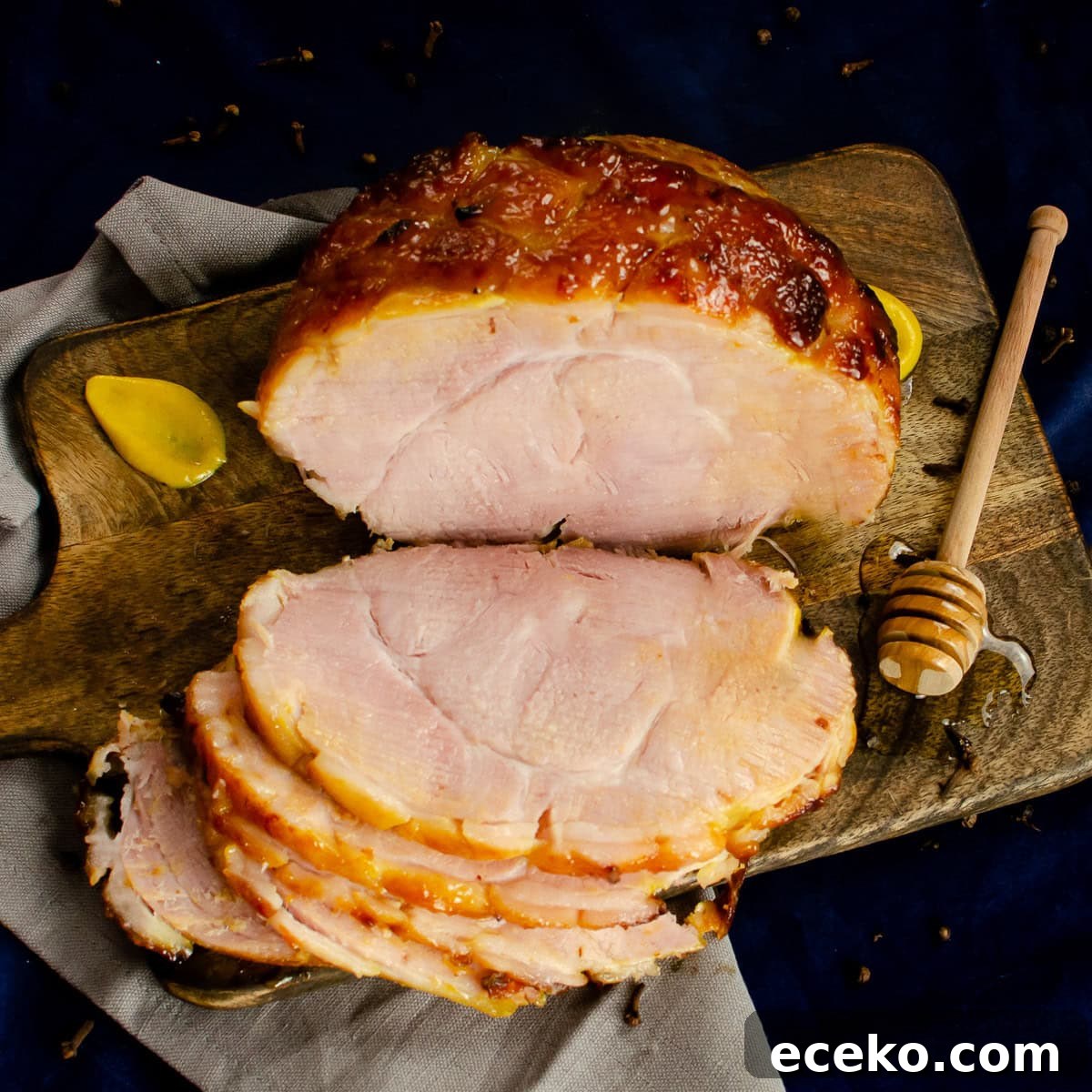
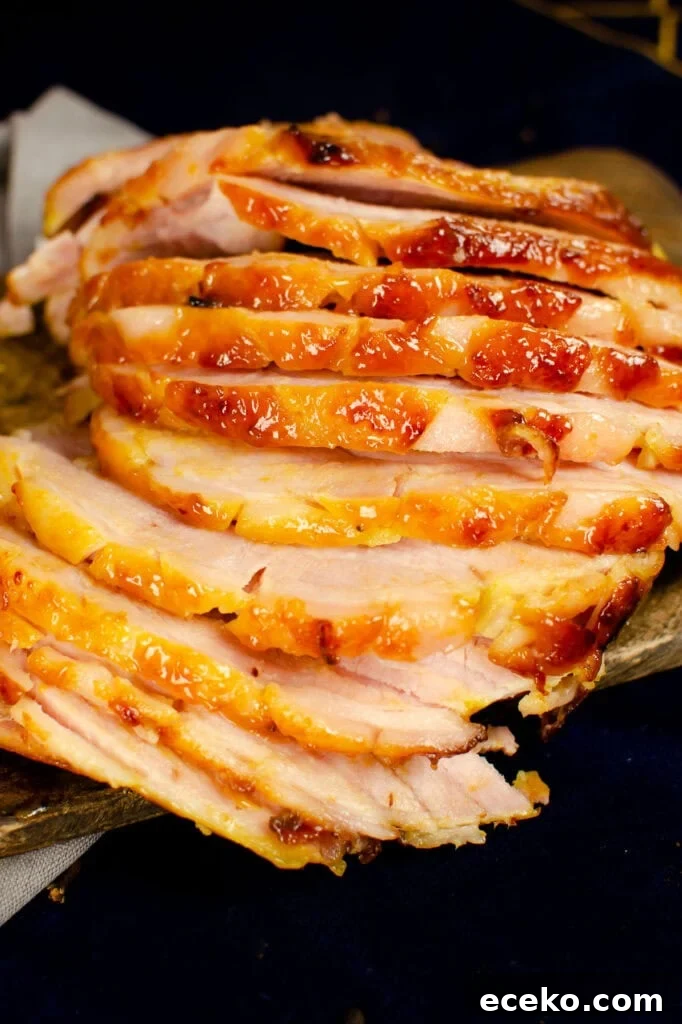
We show you how to cook the best honey roast gammon joint.
This guide includes cooking times per kilogram for boiling on the hob and for cooking in an Instant Pot/pressure cooker, plus a simple honey and mustard glaze and oven-roasting instructions for a sticky, caramelised finish.
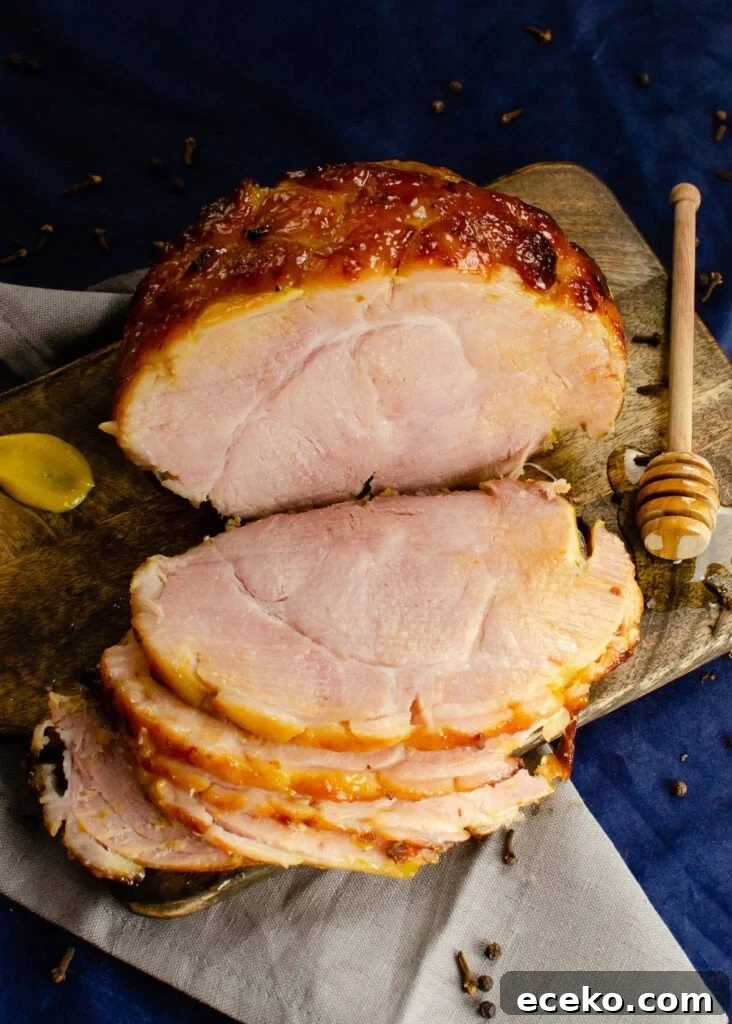
This honey-and-mustard glaze is poured over a pre-cooked gammon before a short spell in a hot oven to give a delicious sticky sweet finish. It’s a favourite at Christmas, but equally good for a Sunday roast and for using leftover slices in sandwiches and salads.
How to cook a honey roast gammon joint?
Below are clear, practical steps for making honey roast gammon. The example recipe uses a 2kg joint, and the notes include timings per kg so you can scale for any size.
📖 Step by Step Recipe
Honey Roast Gammon Joint
Luke and Kay – Flawless Food
Instructions shown for a 2kg joint; see notes for timings per kg for different sizes and pressure-cooker alternatives.
Pin Recipe
Equipment
Ingredients
- 2 kg Gammon/Ham joint (smoked or unsmoked)
- 500 ml Water
- 2 Bay leaves
- 12 Cloves
Honey & Mustard Glaze
- 4 tablespoon Honey
- 4 tablespoon English mustard
Instructions
-
Soak the 2kg gammon joint in cold water for a few hours or overnight to reduce excess salt. If short on time, rinse the joint several times under cold water.

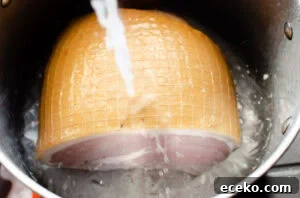
Pan boiled gammon
-
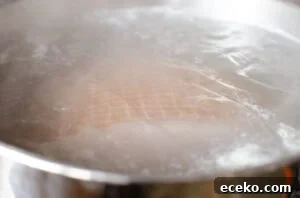
Place the joint fat-side up in a deep pan and cover with water. Add bay leaves and bring to the boil, then reduce to a simmer and cook uncovered. For a 2kg joint simmer about 1½ hours, topping up water if needed.
-
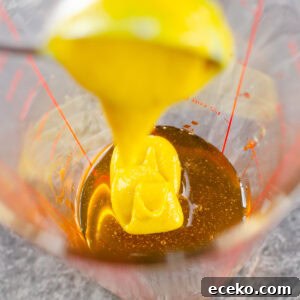
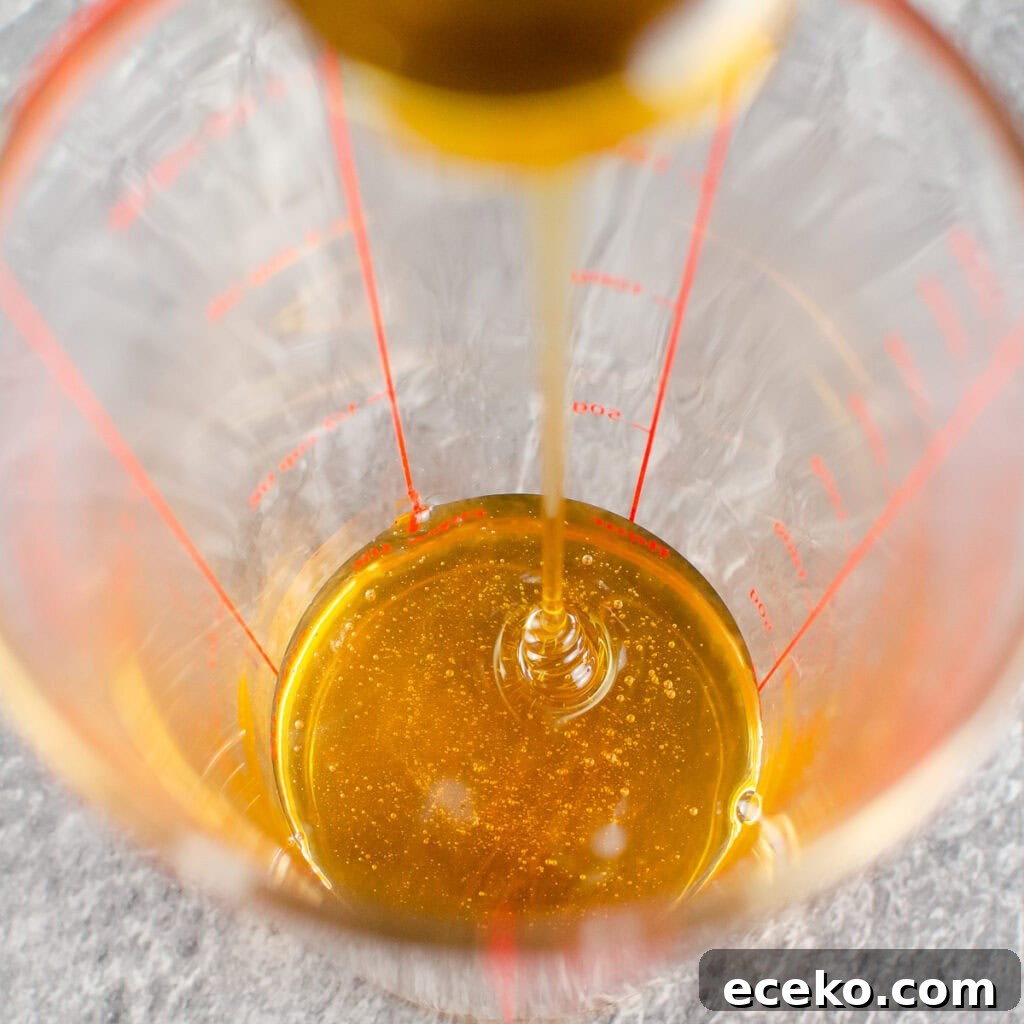
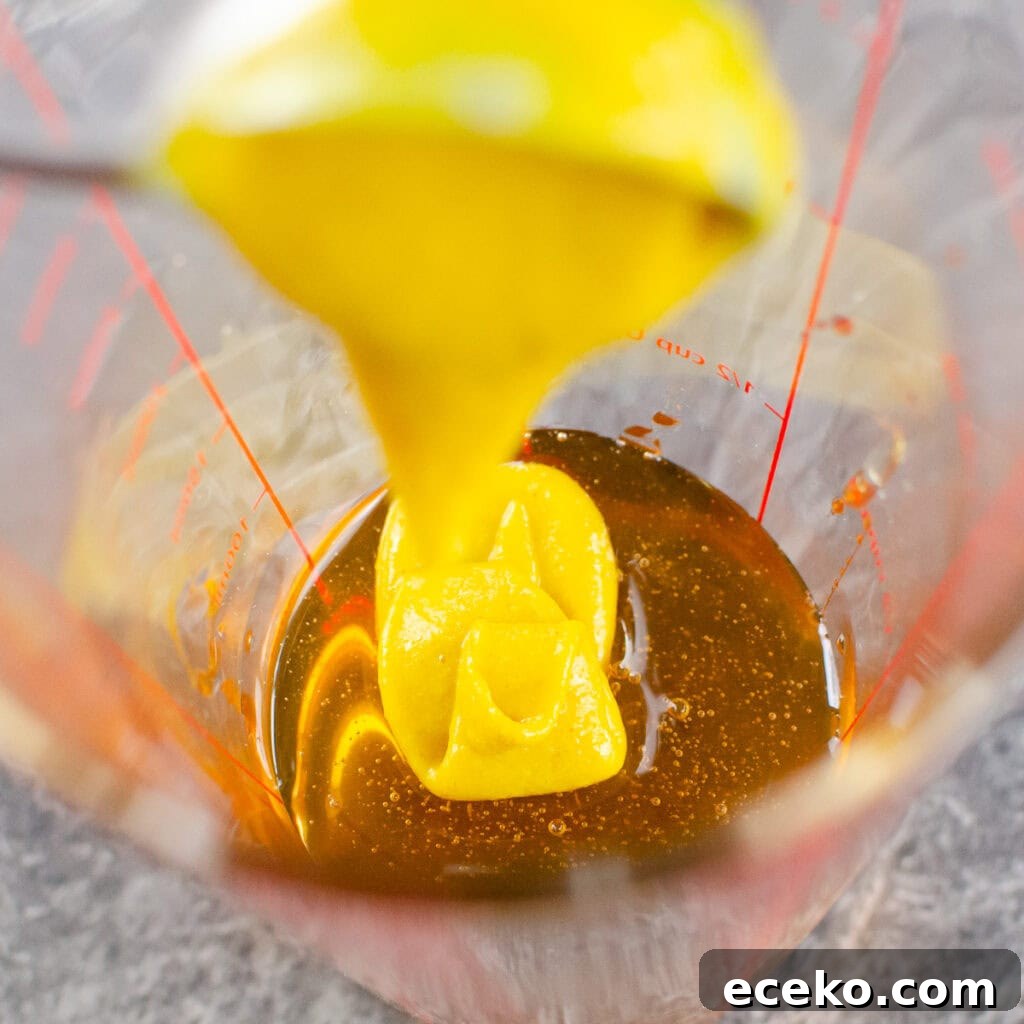
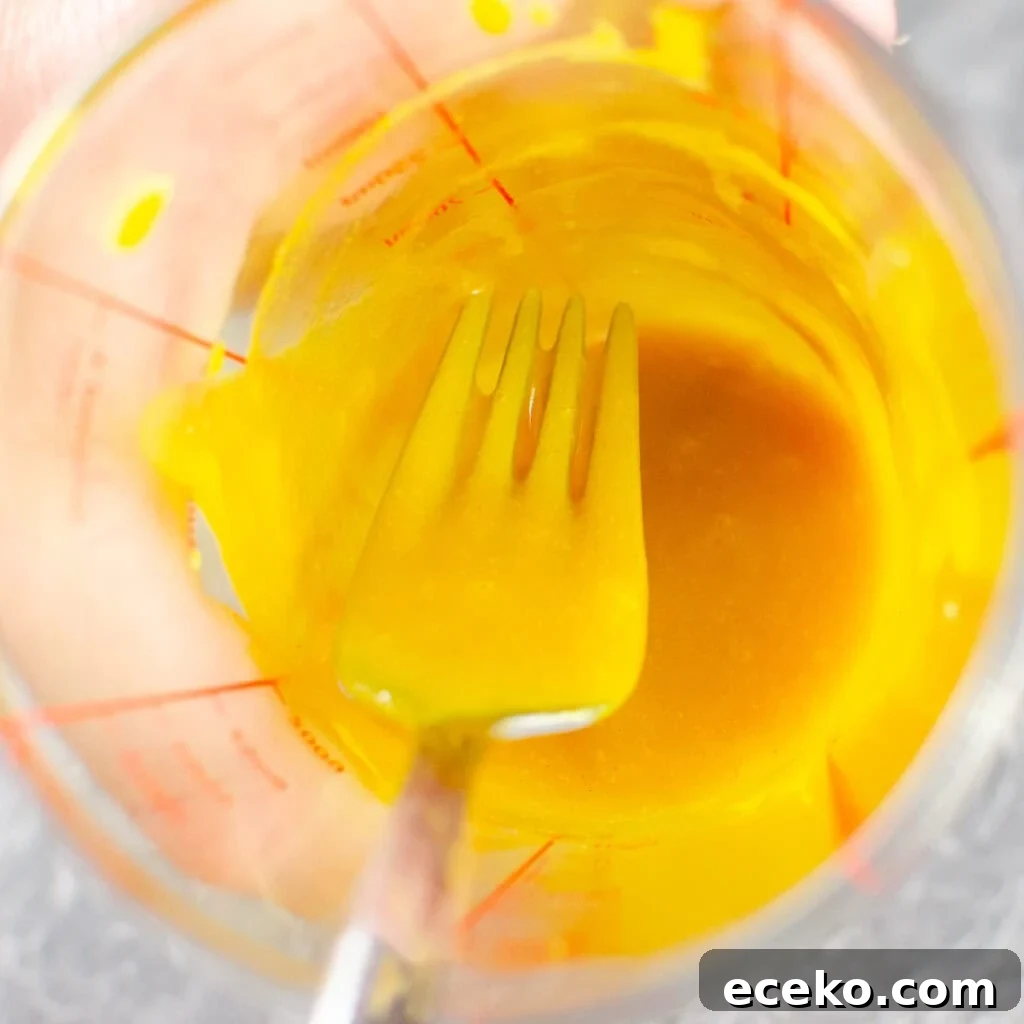
Mix together the glaze: 4 tbsp honey and 4 tbsp English mustard.
-
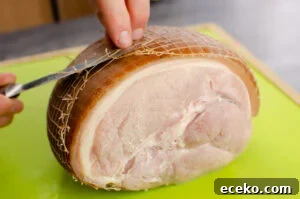
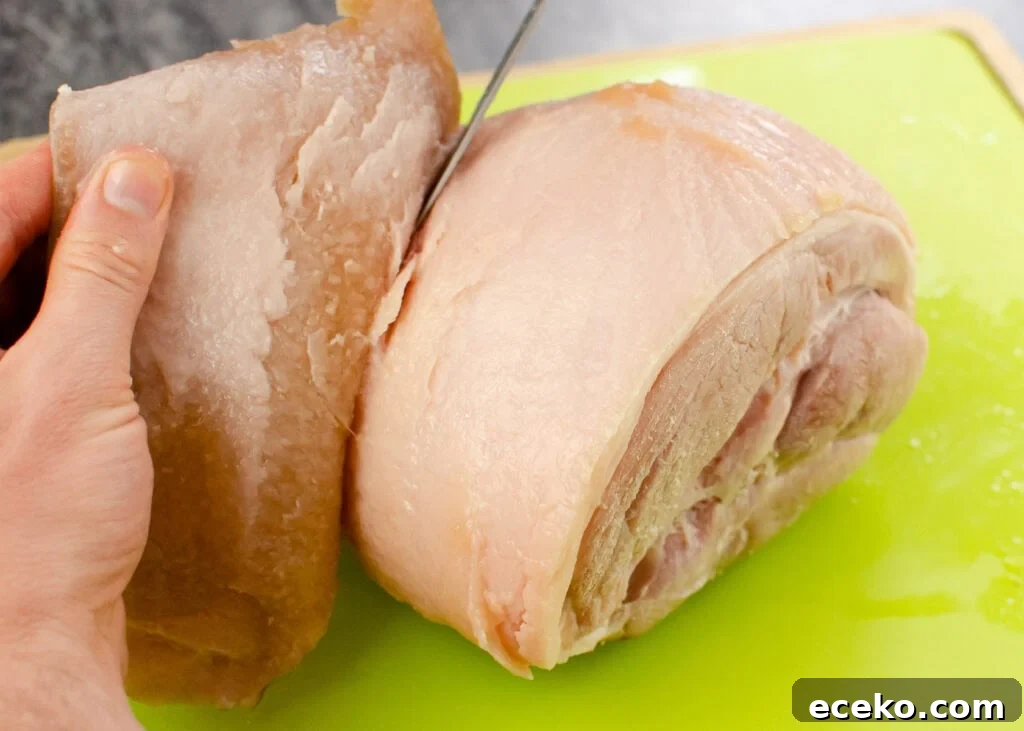
After simmering, remove the joint and rest 10 minutes. Cut away the netting, then remove the thick skin but leave a layer of fat.
-
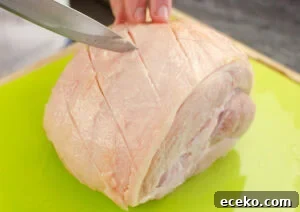
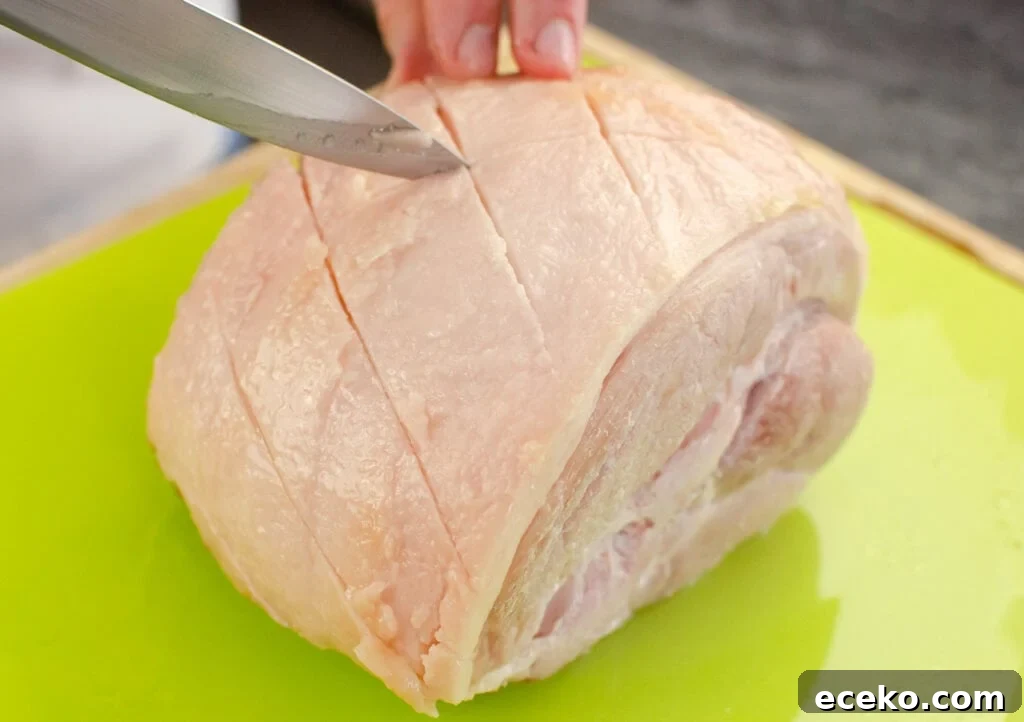
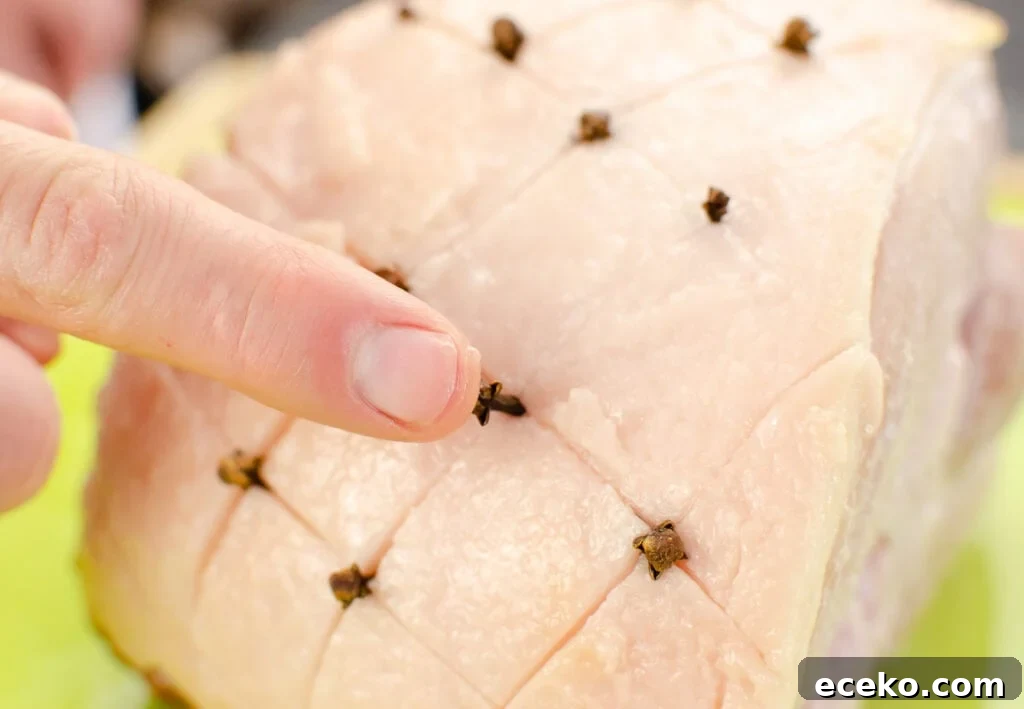
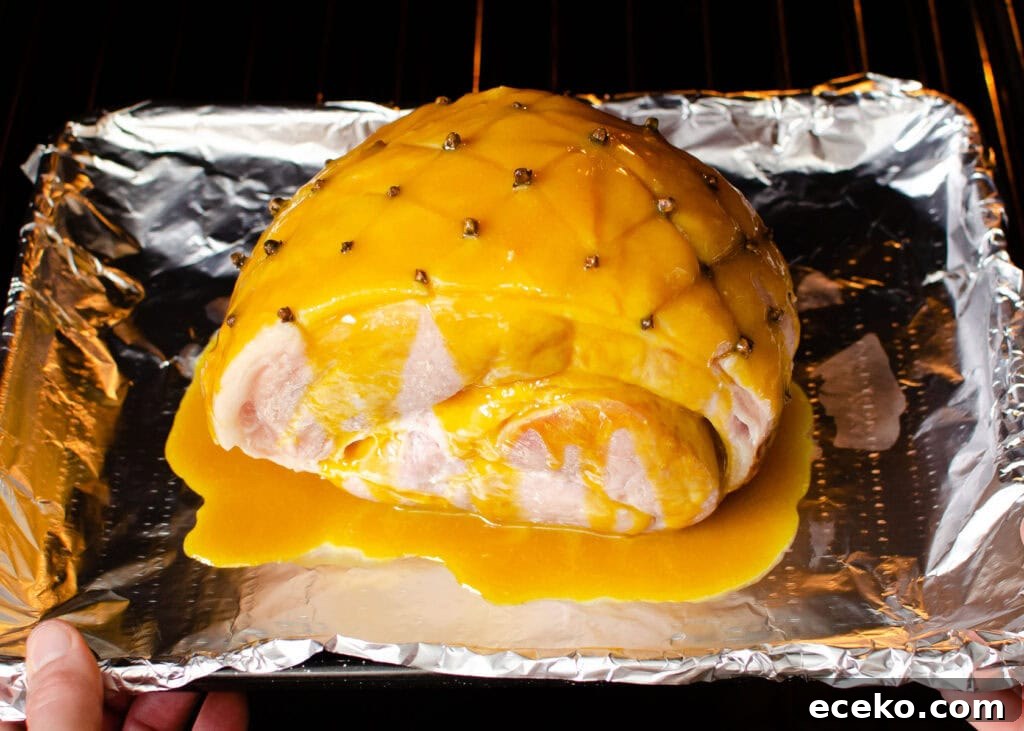
Score the fat in a diamond pattern and press cloves into the diamond corners for flavour (optional).
-
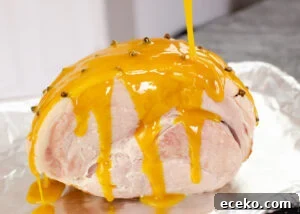
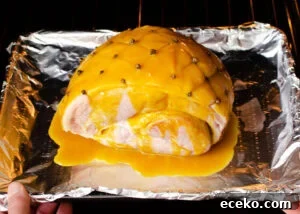
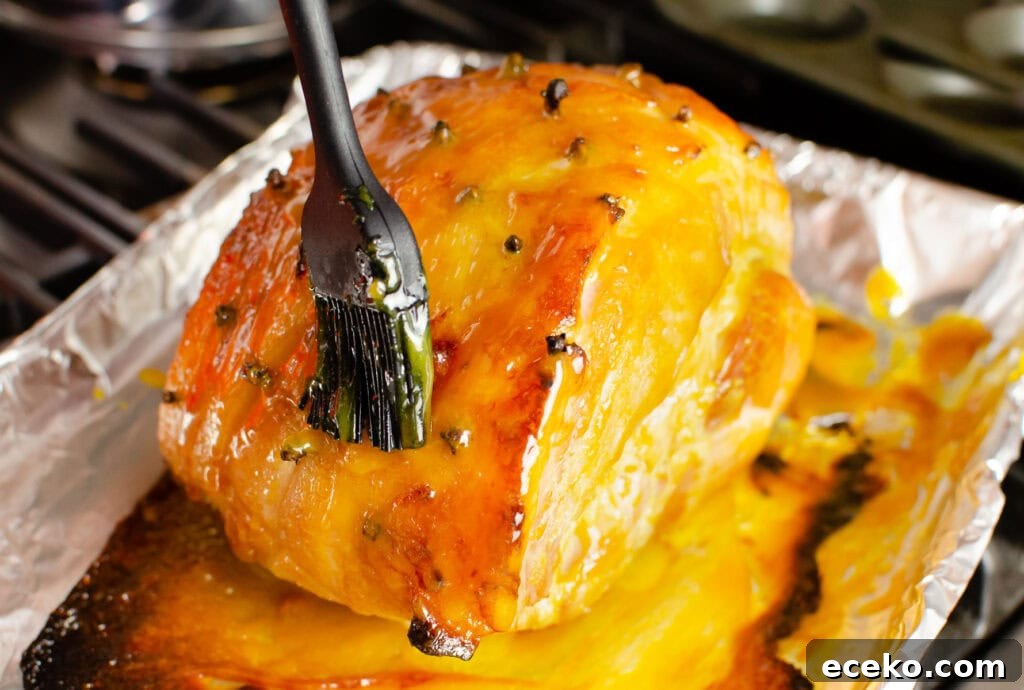
Line a baking tray with foil and place the joint on top. Brush most of the glaze over the fat, reserving some to reapply halfway through roasting.
-
Roast in a preheated oven at 180°C fan / 200°C / 400°F for 15 minutes, then brush with remaining glaze and roast for another 15 minutes. Watch the glaze so it doesn’t burn.
-
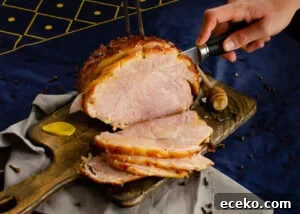
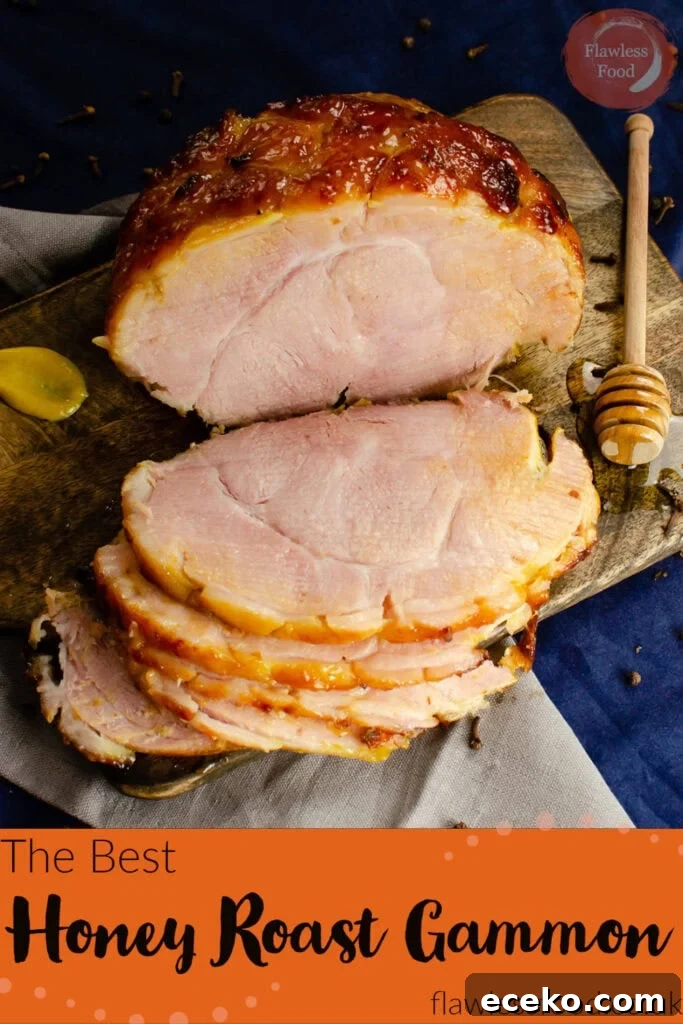
Cover loosely with foil and rest for 10 minutes before carving. Slice to your desired thickness and serve with your choice of sides.
Pressure cooker method (Instant Pot)
-
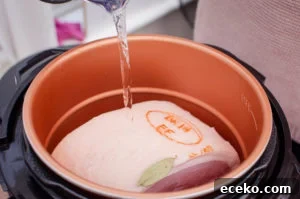
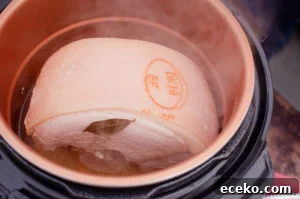
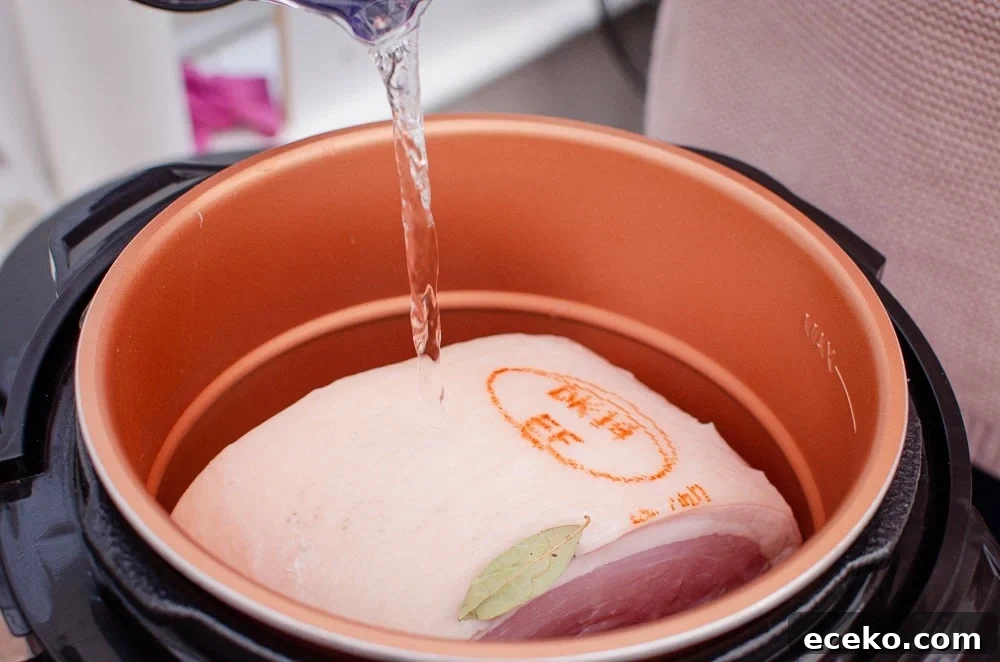
Drain soaking water and place the gammon fat-side up in the pressure cooker pot with bay leaves. Add about 500ml water; it does not need to fully cover the joint as it will cook in steam.
-
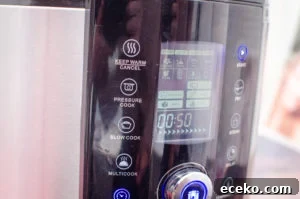
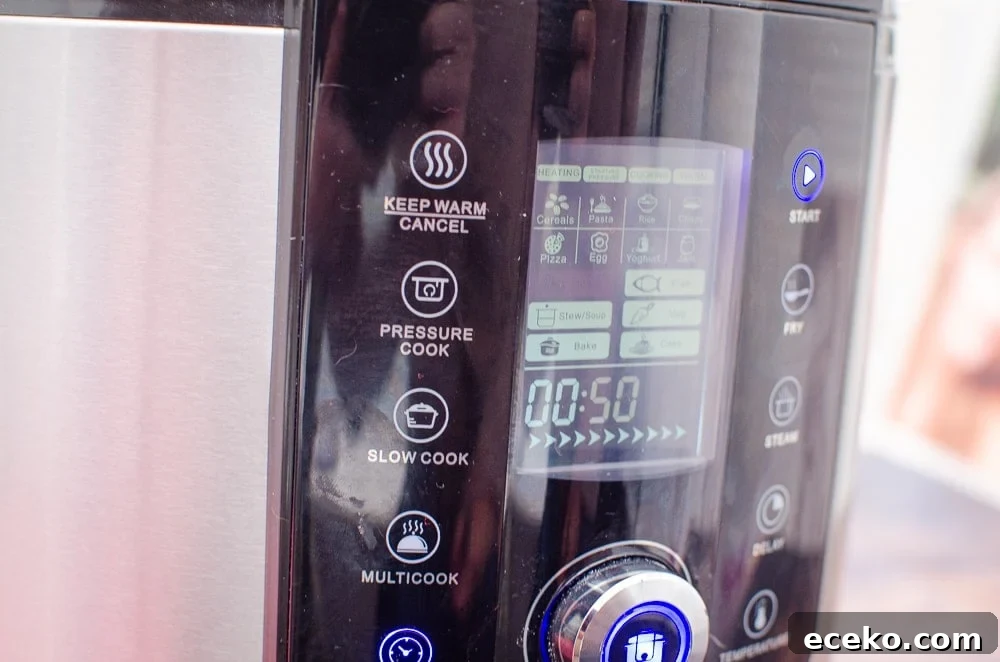
Close the lid and set to the meat setting. For a 2kg joint cook for 50 minutes, then allow a 10-minute natural release.
-
Carefully remove the joint and follow the roasting steps above to apply glaze and brown the top for 30 minutes in the oven (15 + 15 with re-glaze).
Notes
Adjust cooking time according to your joint size. Below are handy timings for both hob (pan) and pressure-cooker methods. Finish all joints in the oven for about 30 minutes to brown the glaze.
Pan method
Simmer for 45 minutes per kg (about 20 minutes per lb). Typical hob simmer times with an additional 30 minutes in the oven to crisp the glaze:
- 1 kg – 45 minutes (plus 30 minutes roasting)
- 2 kg – 1 hr 30 minutes (plus 30 minutes roasting)
- 3 kg – 2 hr 15 minutes (plus 30 minutes roasting)
- 4 kg – 3 hr (plus 30 minutes roasting)
- 5 kg – 3 hr 45 min (plus 30 minutes roasting)
Pressure cooker method
Pressure cook approximately 25 minutes per kg (about 11 minutes per lb), then allow a 10-minute natural release. Typical pressure-cooker times plus a 30-minute oven finish:
- 1 kg – 25 minutes (plus 10 min release, plus 30 minutes roasting)
- 2 kg – 50 minutes (plus 10 min release, plus 30 minutes roasting)
- 3 kg – 1 hr 15 minutes (plus 10 min release, plus 30 minutes roasting)
- 4 kg – 1 hr 40 minutes (plus 10 min release, plus 30 minutes roasting)
- 5 kg – 2 hr 5 minutes (plus 10 min release, plus 30 minutes roasting)
Nutrition
This post was originally published on 10/12/2019 and updated on 07/03/2025 with the recipe card added.
Should I boil or roast a Gammon Joint?
Both methods work, but combining them produces the best result: boiling (or pressure-cooking) keeps the meat moist, then a short roast crisps the fat and caramelises the glaze for flavour and appearance.
How to boil gammon?
Cover the joint with water and add aromatics if you like — bay leaves, peppercorns, onion or root vegetables work well. We keep it simple with bay leaves so the glaze provides most of the flavour.
Bring to the boil, then reduce to a gentle simmer. If water level drops, add more so the joint stays submerged while cooking on the hob.
How long to boil gammon joint per kg?
Use these timings as a reference when boiling on the hob or pressure-cooking. After boiling or pressure-cooking, roast for 30 minutes to brown the glaze.
| Gammon joint size | How long to boil | How long to pressure cook |
|---|---|---|
| 1 kg (2.2 lb) | 45 minutes | 25 minutes |
| 2 kg (4.4 lb) | 1 hr 30 minutes | 50 minutes |
| 3 kg (6.6 lb) | 2 hr 15 minutes | 1 hr 15 minutes |
| 4 kg (8.8 lb) | 3 hours | 1 hr 40 minutes |
| 5 kg (11 lb) | 3 hr 45 minutes | 2 hr 5 minutes |
Pressure cooker gammon method
Pressure-cooking is a quicker option and very hands-off. Use the timings above for minutes per kilogram and allow a 10-minute natural release before removing the joint. Finish in the oven to apply and brown the glaze.
Removing skin from gammon
After boiling the joint, remove the thick skin but leave a layer of fat. Score the fat and stud with cloves if desired; the fat will crisp in the oven and hold the glaze.
Honey and mustard glaze
A simple and effective glaze uses equal parts runny honey and English mustard. Mix them and brush over the joint before roasting, saving some to reapply halfway through the oven time. A foil-lined tray makes cleanup much easier.
How long to cook glazed gammon in oven?
Roast a pre-cooked and glazed gammon at 180°C fan / 200°C / 400°F for 30 minutes total. Brush with additional glaze halfway through. When the top is golden and sticky, remove from the oven, cover loosely with foil and allow a 10-minute rest before carving.
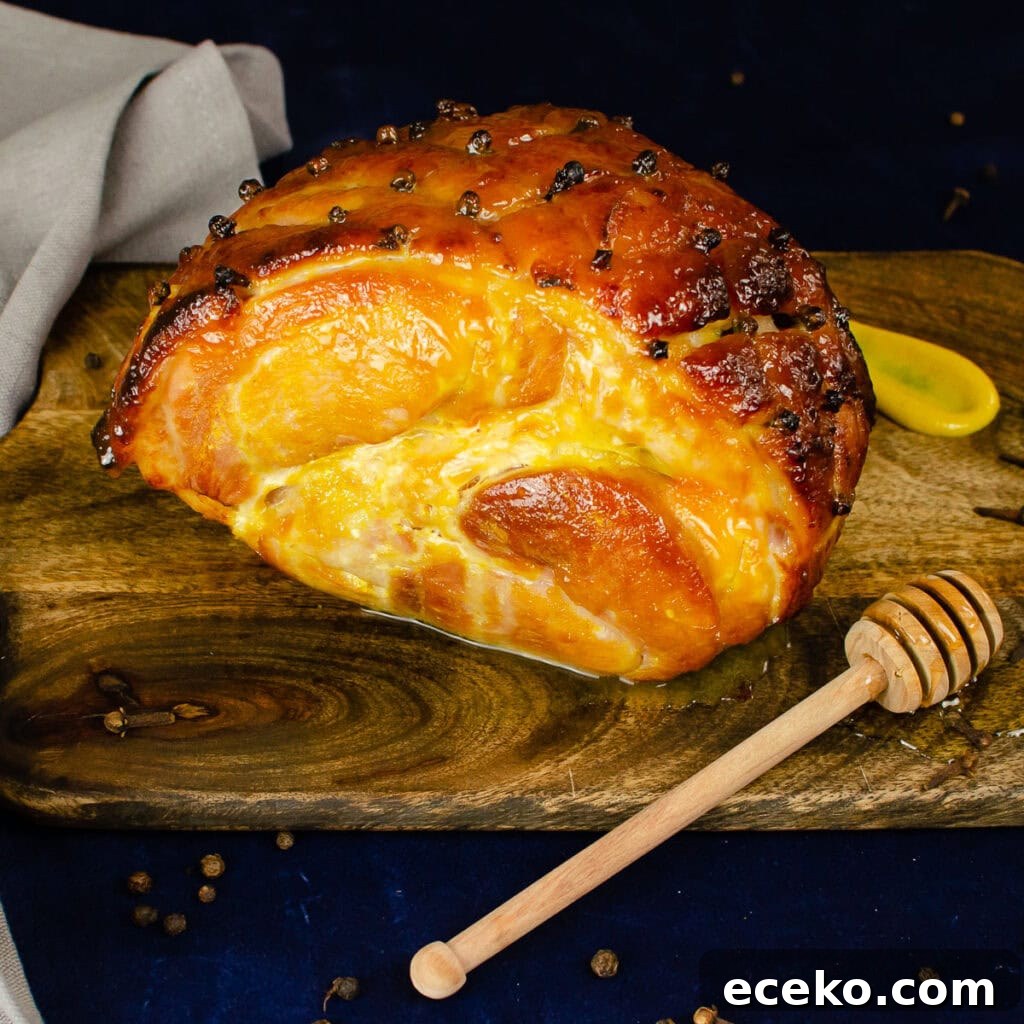
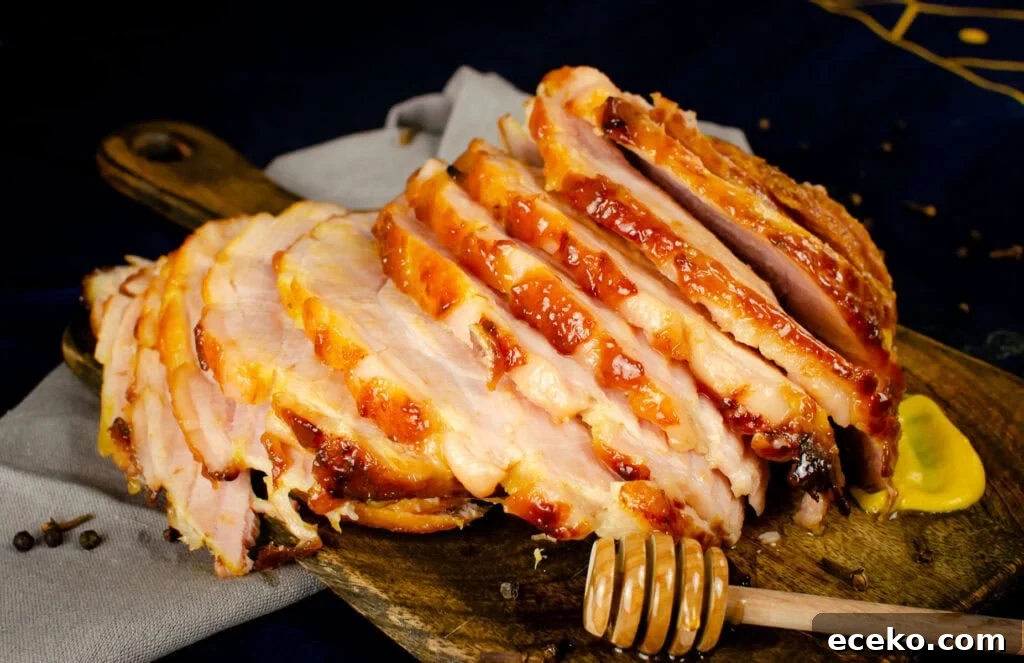
A 2kg joint serves about eight people when sliced as part of a roast.
Gammon serving suggestions
Honey roast gammon works perfectly with roast potatoes, roasted parsnips, apple sauce and Yorkshire puddings for a traditional roast. It also lends itself to:
- Gammon, egg and chips
- Cold meat platters or cheese boards
- Sandwiches and salads
- Chopped into mash, pasta bakes, quiches or omelettes
- Leftover turkey and ham pies
Frequently Asked Questions?
Most shop-bought gammon joints are ready to cook, but soaking for a few hours or overnight reduces saltiness. If buying from a butcher ask whether soaking is needed.
Yes—keep the netting on while boiling or pressure-cooking to hold the joint together. Remove it before taking off the skin and scoring the fat for roasting.
Remove the tough outer skin and leave a layer of fat. The fat crisps in the oven and helps the glaze to caramelise.
Honey roast gammon is a firm family favourite on our Christmas table and makes great leftovers for Boxing Day sandwiches and salads.
More Roast Dinner Recipes
If you enjoy roasting, there are plenty of other joints and recipes to try, from affordable topside or pork belly to show-stopping prime rib, roast goose, or slow-roasted leg of lamb. Experiment with sides and sauces to make the perfect roast dinner.
We hope this honey roast gammon recipe is easy to follow and helps you create a delicious, sticky roast gammon. Please leave a comment or review if you try it.