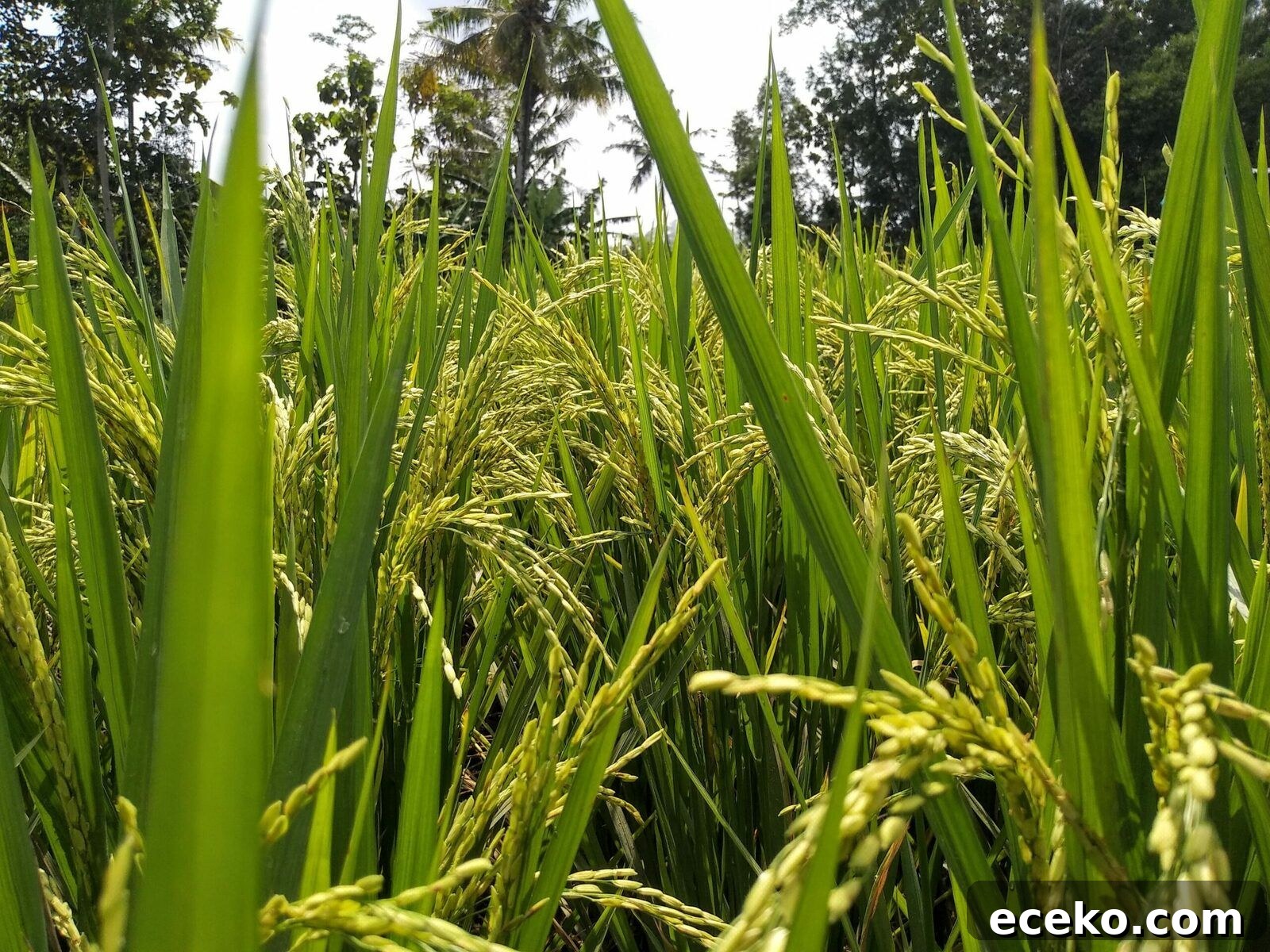
Rice is a staple food for billions, especially across Asia. It’s simple to prepare, nutritious, and highly versatile. With a few basic techniques and small tweaks, you can turn plain rice into a flavorful meal prepared right at home.
Many people struggle with the final texture when cooking rice, but mastering the basics is straightforward. This guide covers essential techniques for cooking rice, explains the main varieties, and suggests easy ways to enhance flavor so your rice turns out well every time.
Fun Facts about Rice
- Rice is the most consumed staple food in the world.
- Rice supplies about one-fifth of all the calories consumed by humans globally.
- It ranks among the top agricultural commodities by production.
- Rice varieties are commonly grouped as short-grain, medium-grain, and long-grain.
- Rice porridge is a traditional comfort food served to the sick in many cultures.
- Rice can be used in sweet dishes by combining it with milk, honey, or sugar.
Different Varieties of Rice and How to Cook Them
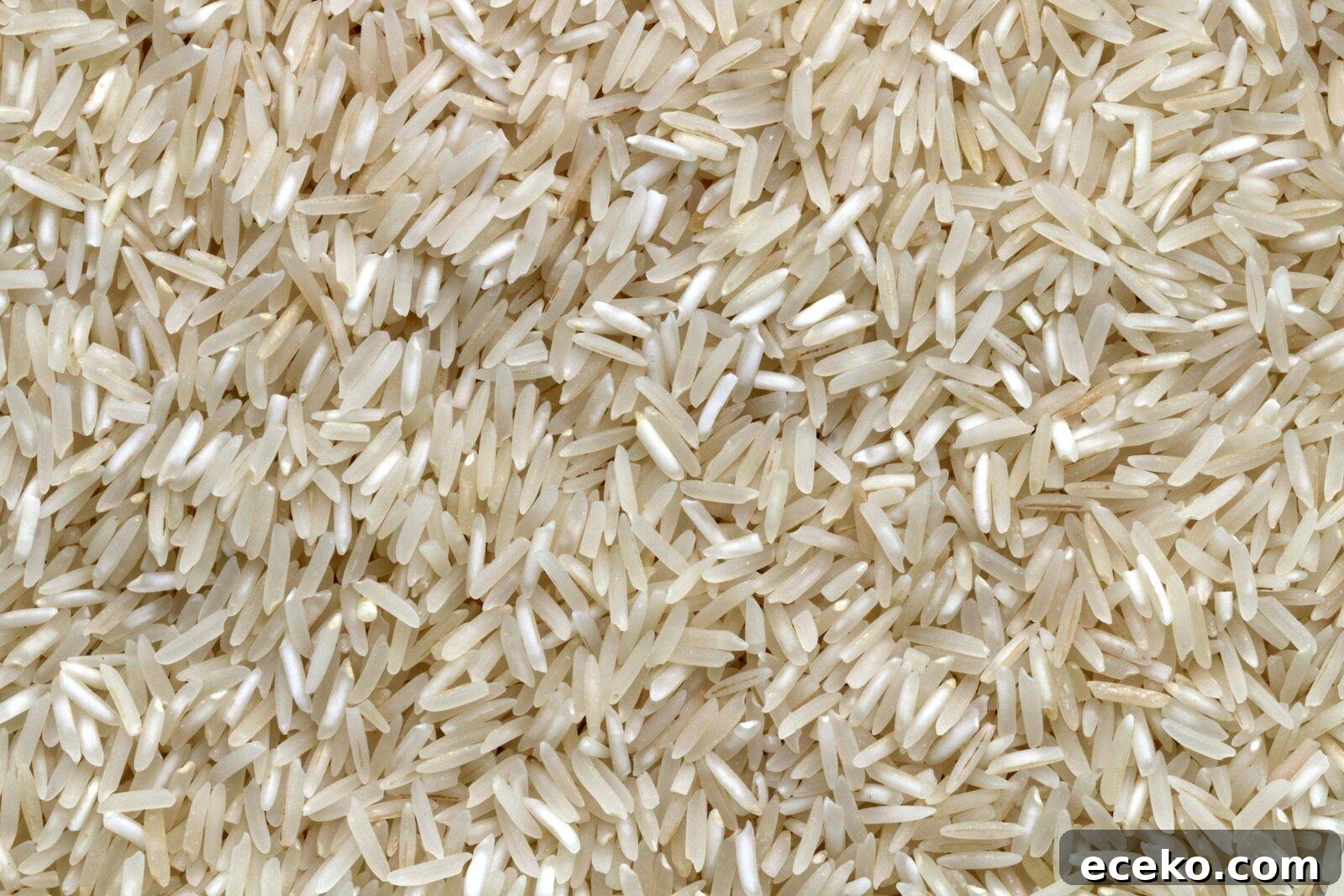
Understanding rice varieties helps you choose the right type for a dish. Short-grain rice becomes very soft and creamy when cooked and is ideal for rice pudding or other milk-based desserts. Medium-grain rice contains more amylopectin and tends to be stickier than long-grain rice. It’s commonly used for risotto, Spanish rice dishes, and sushi when extra stickiness is desired.
Long-grain rice is higher in amylose and usually stays separate and fluffy after cooking. Some long-grain types, like certain Thai varieties, contain more amylopectin and are suited to steaming. Choose the grain type to match the texture you want—sticky for molded dishes, separate grains for pilafs and side dishes.
How to Cook Rice: Basic Steps and Tips
Washing the Rice Properly
Washing rice removes excess surface starch and can improve texture, producing fluffier, less sticky grains. However, rice sold in some countries is fortified with vitamins and minerals; rinsing can wash some of those nutrients away. If you prefer, rinse until the water runs clear or skip rinsing for fortified rice.
Soaking rice before cooking reduces cooking time, conserves fuel, and can result in a softer, more evenly cooked grain. Soak times vary: 30 minutes for white rice up to several hours for certain varieties. Brown rice can benefit from longer soaking—some people soak warm brown rice for many hours to start germination and improve certain nutrients.
How to Cook Rice
Rice can be boiled or steamed. When boiling, use enough water so the rice can absorb it—typically a 1:2 rice-to-water ratio for many white rices, though this can vary by variety. You can also use the rapid-boil method—cooking rice in plenty of water and draining it when done—but avoid this with fortified rice because nutrients may be lost with the drained water.
To reduce stickiness and add flavor, briefly sauté rice in a small amount of oil or butter before adding water. This technique is common in pilafs, risottos, and biryanis around the world and helps keep grains separate.
Electric Rice Cookers
Electric rice cookers simplify the process, producing consistent results with minimal attention. Many home cooks still prefer stovetop methods for the control and personal touch they offer, but rice cookers are a convenient option for reliable, hands-off cooking.
Tips and Tools to Make Rice Cooking Easier
Things You Will Need:
- Rice
- Water (or stock)
- Salt
- Fork
- Saucepan with a tight-fitting lid
- Measuring cup
- Wooden spoon
Steps to Follow When Cooking Rice
1. Boil Water and Add Salt
Use a saucepan over medium-high heat. For most white rices, bring two cups of water to a boil for each cup of rice you plan to cook. Add about one teaspoon of salt once the water boils.
2. Add Rice
Add the measured rice to the boiling water.
3. Stir
Stir once or twice to prevent clumping, but avoid frequent stirring during cooking, which increases stickiness.
4. Cover the Saucepan and Simmer
Cover with a tight-fitting lid, reduce heat to low, and simmer. For typical white rice this is about 15–20 minutes. Remove from heat and let the rice rest, covered, for 5 minutes so it can steam through.
5. Fluff
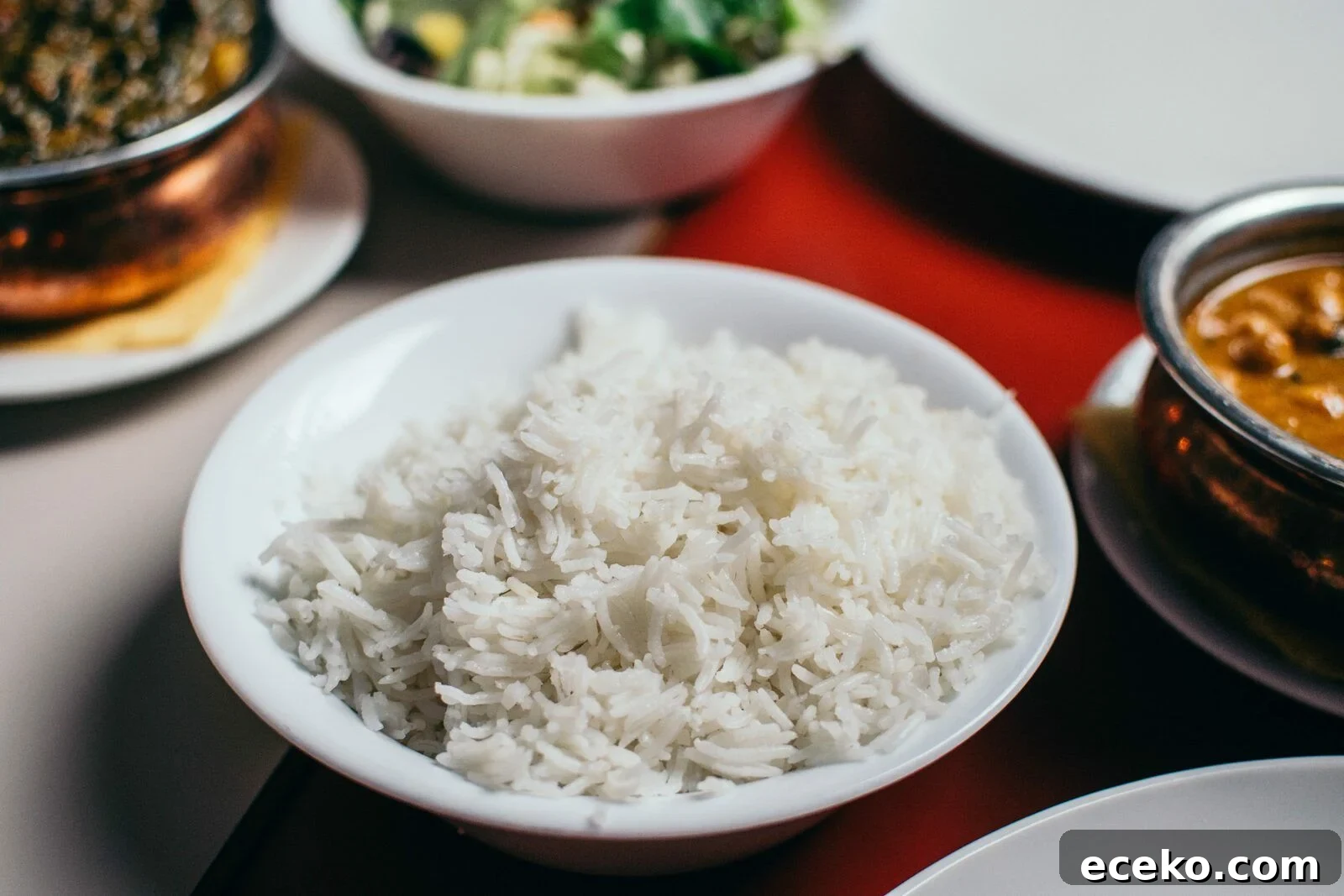
Use a fork to gently fluff the rice before serving to separate the grains.
Extra Tips for Better Rice
Avoid lifting the lid or stirring while the rice cooks; both disrupt steam and can affect texture. If you’re not ready to serve when the rice is done, replace the lid with a clean folded kitchen towel and set the lid back on—the towel helps absorb condensation and prevents sogginess.
A small pat of butter at the end can improve flavor and mouthfeel. A splash of white vinegar (about 1/2 teaspoon per cup of cooked rice) can help keep grains separate—use sparingly since the aroma can be noticeable to some people.
Add a Little Flavor to Your Rice
If plain rice feels dull, try simple additions for big flavor gains. Here are easy ideas you can use right away:
Add Stock
Replace water with broth or stock for richer flavor. Use powdered stock in place of salt, or use liquid stock entirely or mixed with water for a lighter taste.
Add Spices
Spices like turmeric, cumin, or paprika add color and aroma. Turmeric gives rice a warm golden hue and mild, earthy flavor.
Add Coconut
Substitute part of the cooking liquid with coconut milk for creamy, fragrant rice. Desiccated coconut can also be added as a garnish for texture and aroma.
Add Garlic or Onion Powder
A pinch (about 1/4 teaspoon) of garlic or onion powder mixed with salt enhances savory depth.
Add Herbs
Fresh herbs added after cooking retain their color and flavor; dried herbs can be added to the cooking liquid. Rosemary and thyme work well with simple rice dishes.
Cook Rice Properly and Enjoy the Taste!
Rice is affordable, nutritious, and adaptable. With a few simple techniques—rinsing or soaking when appropriate, using the right rice-to-liquid ratio, and applying one or two flavor tricks—you can consistently prepare rice that’s fluffy, flavorful, and satisfying. Try these tips next time you cook rice and enjoy a better bowl every time.